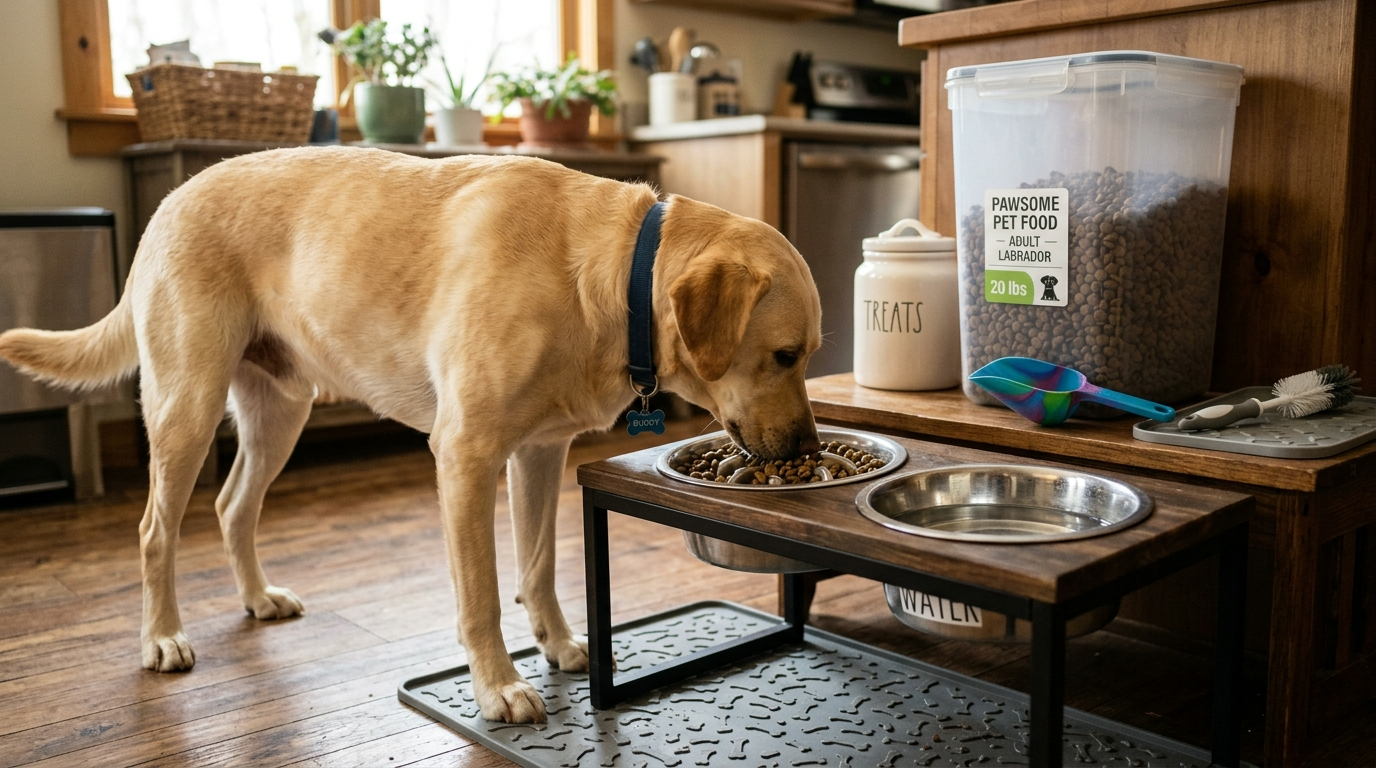
Labrador feeding accessories play a bigger role in your dog’s health than most owners realize. While food quality often gets attention, hidden toxins in bowls, mats, and storage containers can quietly affect your Labrador’s well-being over time.
Because Labradors are enthusiastic eaters, they interact intensely with their feeding gear. Therefore, any harmful chemicals present in these items may enter their system daily. Understanding these risks helps you make smarter, safer choices.
Why Feeding Equipment Safety Matters
Labradors are known for strong appetites and high energy. As a result, they eat quickly, lick thoroughly, and chew on bowls or feeders. This constant contact increases exposure to unsafe materials.
Many dog owners assume that all pet products meet strict safety standards. However, regulations vary widely. Some imported items contain plastics, dyes, or coatings that are not thoroughly tested for long-term animal exposure.
Moreover, repeated washing, scratching, and wear can release chemicals into food or water. Over time, small exposures add up. For a large breed prone to joint issues and weight gain, minimizing environmental toxins supports overall health.
Common Hidden Toxins in Dog Bowls
Food and water bowls seem harmless. Yet certain materials may pose risks.
BPA and Plasticizers
Some plastic bowls contain BPA or similar compounds. These chemicals can disrupt hormones. Although many products now claim to be BPA-free, lower-quality plastics may still contain alternative plasticizers.
Heat and scratches increase leaching. Consequently, warm food or dishwasher cycles can worsen exposure.
Melamine Contamination
Melamine is sometimes used in lower-cost plastic products. In high amounts, it can harm kidneys. While most reputable brands avoid it, poorly manufactured items may still carry traces.
Lead in Glazes and Paint
Ceramic bowls look attractive. However, decorative glazes may contain lead. If the glaze chips, your Labrador could ingest harmful particles.
To reduce risk, always choose certified, food-grade ceramics with documented testing.
Risks in Slow Feeders and Puzzle Bowls
Slow feeders help prevent gulping. Therefore, many Labrador owners rely on them. Yet these items often contain complex plastic shapes.
Sharp ridges trap bacteria. In addition, thin plastic may degrade faster under constant chewing. If your dog scratches or bites the feeder, small fragments can break off.
When selecting Labrador feeding accessories like slow feeders, prioritize thick, food-grade silicone or stainless steel versions. These materials resist wear and are easier to sanitize.
Hidden Chemicals in Feeding Mats
Feeding mats protect floors from spills. Still, many are made from PVC or synthetic rubber.
PVC can release phthalates, especially when exposed to moisture and heat. Similarly, low-grade rubber may emit volatile organic compounds (VOCs). Over time, these fumes accumulate indoors.
Opt instead for:
- Food-grade silicone mats
- Natural rubber with safety certifications
- Washable cotton or hemp mats
Because Labradors often lick spilled food off mats, surface safety matters just as much as bowl safety.
Food Storage Containers and Toxic Transfer
Dry kibble storage seems simple. However, plastic bins may transfer chemicals into food.
Kibble contains fats. These fats absorb toxins more easily. If stored in low-quality plastic, contamination risk increases.
Choose airtight stainless steel containers or BPA-free, heavy-duty food storage units. Also, keep food in its original bag inside the container when possible. This extra layer reduces direct contact.
When evaluating Labrador feeding accessories, do not overlook storage systems. They influence food safety every day.
Stainless Steel: Is It Always Safe?
Stainless steel bowls are widely recommended. They resist rust and bacteria. Nevertheless, not all stainless steel is equal.
Lower-grade steel may contain higher nickel content. Some dogs develop contact sensitivities. Although rare, redness around the muzzle can signal irritation.
Look for 304 or 18/8 stainless steel. These grades balance durability and safety. Additionally, ensure bowls have no flaking coatings underneath.
Quality Labrador feeding accessories often highlight material grades clearly. Transparency signals trustworthy manufacturing.
Silicone Products: Benefits and Cautions
Silicone has become popular in modern pet gear. It is flexible, durable, and heat-resistant.
However, quality varies widely. Cheap silicone may contain fillers. These fillers reduce durability and may leach chemicals.
To test silicone quality:
- Pinch and twist the material
- If white streaks appear, fillers may be present
Choose platinum-cured, food-grade silicone for safer feeding tools.
Microplastics and Wear Over Time
Even safe materials degrade eventually. Scratched plastic bowls shed microplastics. Labradors that chew aggressively accelerate this process.
While research on microplastics in dogs continues, early studies suggest potential digestive and inflammatory effects.
Therefore, inspect feeding gear monthly. Replace any item showing cracks, deep scratches, or discoloration. Prevention reduces long-term exposure.
Cleaning Products and Chemical Residue
Hidden toxins do not only come from the accessory itself. Cleaning agents also matter.
Strong detergents may leave residue on bowls. If not rinsed thoroughly, chemicals mix with food or water.
Use mild, pet-safe dish soap. Rinse thoroughly with warm water. Allow items to air dry completely before refilling.
Additionally, avoid bleach unless properly diluted. Improper dilution increases chemical exposure.
How to Choose Safer Feeding Products
When shopping for Labrador feeding accessories, follow clear safety criteria.
Look for:
- Food-grade certification
- Clear material labeling
- Reputable brand transparency
- Third-party testing information
- Simple designs with fewer coatings
Although cheaper options may seem appealing, investing in high-quality materials protects your dog long term.
Furthermore, avoid products with strong chemical odors. A noticeable smell often indicates off-gassing.
Signs Your Labrador May React to Toxic Materials
Symptoms of exposure can be subtle. However, certain signs may indicate problems:
- Excessive drooling
- Skin irritation around the mouth
- Digestive upset
- Unexplained lethargy
- Increased itching
If symptoms appear after introducing new Labrador feeding accessories, discontinue use immediately. Consult your veterinarian for guidance.
Because Labradors are food-motivated, they interact closely with feeding gear. Therefore, reactions may show quickly.
Safer Alternatives for a Low-Toxin Setup
Creating a low-toxin feeding area does not require drastic changes. Instead, focus on thoughtful upgrades.
Start with:
- 304 stainless steel bowls
- Platinum-grade silicone mats
- Glass or steel storage containers
- Natural fiber placemats
- Simple, unpainted designs
Also, rotate items periodically. This reduces wear and limits chemical buildup.
Small improvements add up over time.
The Long-Term Health Perspective
Labradors are prone to obesity, joint issues, and certain cancers. While genetics play a role, environmental factors also matter.
Reducing toxin exposure supports immune function. It also lowers cumulative chemical burden. Although one plastic bowl will not cause immediate harm, daily exposure over years may contribute to problems.
Because feeding is a daily ritual, upgrading Labrador feeding accessories offers consistent protection. Each meal becomes safer.
In addition, modeling careful product choices encourages responsible pet ownership overall.
Practical Buying Checklist
Before purchasing new feeding items, ask:
- Is the material clearly labeled food-grade?
- Does the brand disclose testing standards?
- Are there independent reviews verifying durability?
- Is the product free from unnecessary dyes or coatings?
- Can it withstand repeated washing without degrading?
Answering these questions prevents impulse purchases. Moreover, it builds a safer feeding environment for your Labrador.
Final Thoughts on Protecting Your Dog
Hidden toxins often hide in everyday products. Because they seem harmless, they rarely receive scrutiny.
However, informed choices make a real difference. By carefully selecting Labrador feeding accessories, you reduce exposure to plastics, heavy metals, and chemical residues.
Every meal presents an opportunity to protect your dog’s health. Therefore, choose durable, certified materials. Replace worn items promptly. Clean thoughtfully and consistently.
Your Labrador depends on you for daily nourishment. Ensuring that feeding tools are as safe as the food itself creates a healthier, happier life for years to come.
FAQ
- What materials are safest for dog bowls?
Stainless steel and certified food-grade silicone are generally safest. They resist bacteria and minimize chemical leaching when properly manufactured. - Can plastic feeders harm dogs over time?
Lower-quality plastic can degrade and release chemicals. Long-term exposure may contribute to digestive or hormonal concerns. - How often should feeding equipment be replaced?
Inspect items monthly. Replace bowls or mats if you see cracks, deep scratches, or peeling coatings. - Are ceramic bowls always safe for pets?
Not always. Only choose ceramics labeled food-safe and lead-free, especially if they have decorative glazes. - Does storing kibble in plastic containers pose risks?
It can if the plastic is low quality. Use stainless steel or keep food in its original bag inside a sealed container to reduce transfer.