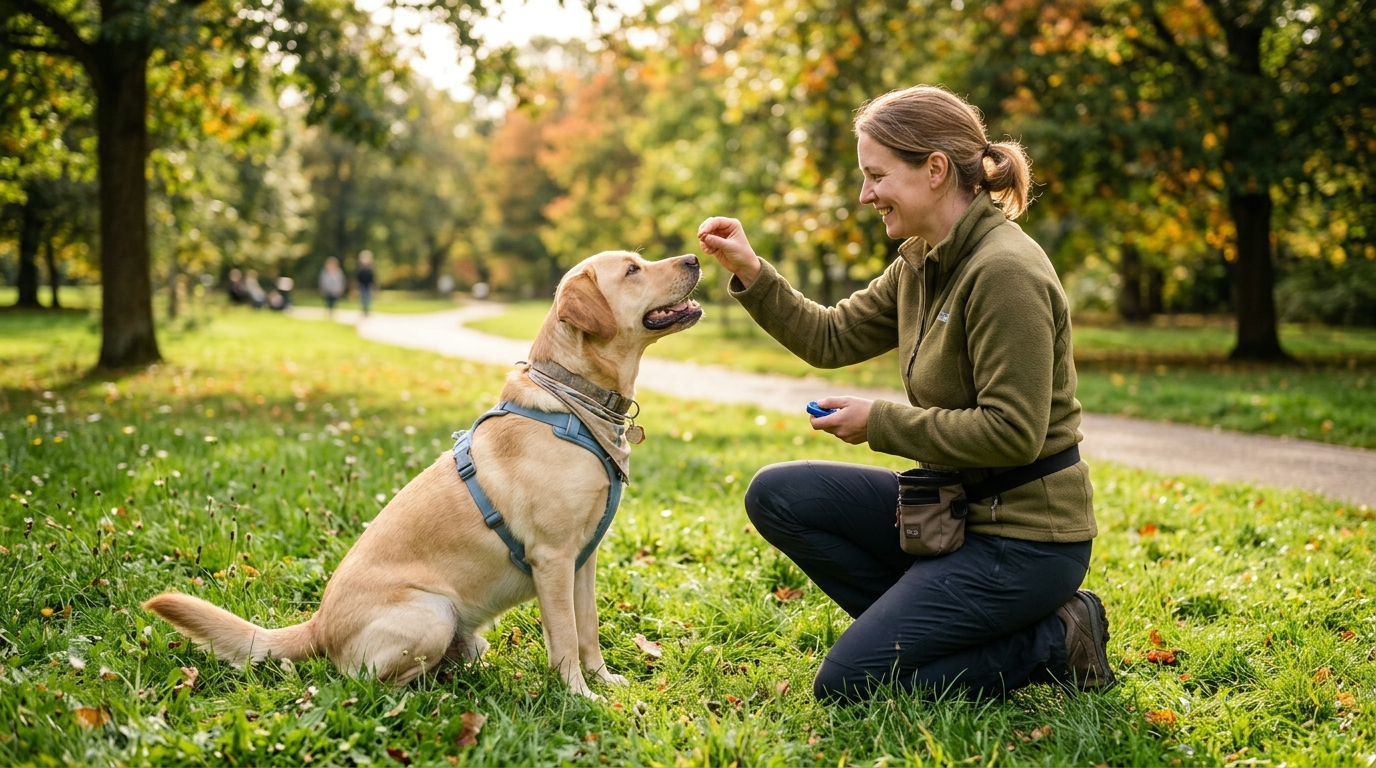
Gentle Labrador training offers a compassionate, effective approach to shaping behavior without fear or force. Because Labradors are eager to please and highly intelligent, they respond exceptionally well to positive, reward-based guidance.
Rather than relying on punishment, this method builds trust and communication. As a result, your dog learns faster and feels secure. When you choose kindness over correction, you create lasting behavioral change and a stronger bond.
Why Labradors Respond Best to Kind Methods
Labradors are known for their friendly temperament. They thrive on human interaction and approval. Therefore, harsh discipline often confuses them instead of correcting behavior.
Positive training taps into their natural desire to cooperate. When rewarded for good choices, they repeat those behaviors. Conversely, punishment may suppress actions temporarily but rarely teaches alternatives.
Moreover, fear-based techniques can damage trust. Once trust erodes, learning slows down. Gentle Labrador training avoids this risk by reinforcing clarity and consistency.
Because Labradors mature slowly, especially during adolescence, patience becomes essential. Calm repetition works better than frustration.
The Core Principles of Gentle Teaching
Successful dog education relies on a few simple principles.
First, reward what you want to see. Treats, praise, and play all motivate Labradors. Second, redirect unwanted behavior instead of punishing it. Third, keep sessions short and focused.
Consistency matters just as much as kindness. Everyone in the household should use the same commands and expectations.
Timing also plays a crucial role. Reward within seconds of correct behavior. Immediate feedback strengthens learning pathways.
Gentle Labrador training centers on guiding behavior rather than controlling it. When dogs feel safe, they experiment and learn confidently.
Using Positive Reinforcement Effectively
Positive reinforcement means adding something pleasant after a desired action. For Labradors, food rewards often work well because they are highly food-motivated.
However, variety prevents dependency. Use:
- Small training treats
- Verbal praise
- Favorite toys
- Physical affection
Gradually reduce treats once behavior becomes consistent. Replace food with praise over time.
Additionally, mark correct actions with a clear signal such as “yes” or a clicker sound. This marker helps your dog understand exactly which action earned the reward.
Because repetition builds habits, practice daily in short sessions.
Setting Clear Boundaries Without Fear
Kind training does not mean permissiveness. Structure remains essential.
Instead of yelling when your Labrador jumps on guests, teach an alternative behavior. Ask for a sit before greeting. Reward calm posture immediately.
Likewise, if your dog pulls on the leash, stop walking. Resume only when the leash relaxes. This method teaches consequences without intimidation.
Gentle Labrador training emphasizes clarity. Dogs thrive when rules remain predictable and fair.
Managing Common Labrador Challenges
Labradors bring enthusiasm to every situation. While charming, this energy can lead to challenges.
Jumping on People
Ignore jumping behavior. Turn away calmly. Then reward once all four paws touch the ground.
Excessive Chewing
Provide appropriate chew toys. Redirect gently when chewing begins on furniture. Praise when the correct item is used.
Pulling on Walks
Use reward-based loose-leash training. Stop frequently. Reward when your dog walks beside you.
Because Labradors mature slowly, adolescence may test patience. Nevertheless, steady reinforcement prevents long-term habits.
The Role of Mental Stimulation
Behavior improves when mental needs are met. Labradors require both physical exercise and cognitive engagement.
Interactive games reduce boredom. Try:
- Food puzzles
- Hide-and-seek
- Basic scent work
- Trick training
Mental stimulation decreases destructive tendencies. In addition, it strengthens your communication skills.
Gentle Labrador training works best when combined with enrichment. A tired mind behaves better than a restless one.
Building Confidence Through Encouragement
Confidence shapes behavior. Nervous dogs may bark, hide, or overreact.
Instead of forcing exposure, use gradual desensitization. Introduce new environments slowly. Pair unfamiliar sounds with rewards.
Encouragement helps Labradors overcome fear. When they associate new experiences with positive outcomes, anxiety fades.
Never punish fear-based reactions. Instead, create calm, controlled learning moments.
Teaching Basic Commands the Gentle Way
Foundational commands support safety and manners.
Start with:
- Sit
- Stay
- Come
- Down
- Leave it
Teach each command separately. Keep sessions under ten minutes. End on success to maintain enthusiasm.
Use a calm voice and clear hand signals. Reward generously in early stages.
Because Labradors enjoy learning, progress often happens quickly. Gentle Labrador training keeps the experience enjoyable rather than stressful.
Handling Mistakes with Patience
Every dog makes mistakes. Instead of reacting emotionally, assess the situation.
Ask yourself:
- Was the cue clear?
- Was the environment too distracting?
- Did I reward consistency?
Adjust conditions if needed. Lower distractions and rebuild gradually.
Frustration slows progress. Calm repetition accelerates it.
Gentle Labrador training views setbacks as learning opportunities rather than failures.
Socialization Done Kindly
Early socialization shapes adult temperament. Introduce your Labrador to various people, places, and surfaces during puppyhood.
However, avoid overwhelming experiences. Allow your dog to approach new stimuli at their own pace.
Reward curiosity and calm responses. This approach fosters resilience and stability.
Because Labradors are naturally social, positive exposure strengthens their confidence.
Consistency Across Life Stages
Training does not end after puppyhood. Adult Labradors benefit from continued reinforcement.
Revisit commands regularly. Practice in new environments. Add advanced skills such as recall under distraction.
Older dogs can learn new behaviors as well. Age does not limit capability.
Gentle Labrador training remains effective at every life stage because it relies on communication rather than force.
Avoiding Common Training Mistakes
Some well-meaning owners unintentionally hinder progress.
Avoid:
- Repeating commands excessively
- Using inconsistent cues
- Rewarding unwanted behavior accidentally
- Expecting immediate perfection
Clear, simple expectations work best. Dogs learn through repetition and positive feedback.
Strengthening the Human-Dog Bond
Training sessions provide more than obedience. They deepen trust.
When your Labrador associates you with encouragement and safety, loyalty grows stronger.
Shared success builds confidence on both sides. Moreover, calm guidance fosters respect without fear.
Gentle Labrador training creates cooperation rather than compliance.
When to Seek Professional Guidance
If behavioral issues persist, consider working with a certified positive reinforcement trainer.
Professional guidance helps address:
- Severe leash reactivity
- Resource guarding
- Anxiety
- Persistent disobedience
Choose trainers who emphasize humane, science-based methods.
Because Labradors are highly trainable, expert direction often leads to rapid improvement.
Conclusion
Gentle Labrador training provides a compassionate, effective path to well-mannered behavior. By using positive reinforcement, clear communication, and consistent structure, you guide your dog without fear or intimidation.
Labradors thrive when treated with patience and respect. Instead of suppressing behavior, teach alternatives and reward success. Over time, trust deepens and cooperation strengthens.
Choosing kindness does not weaken authority. Rather, it enhances learning and builds lifelong partnership. When you invest in calm, supportive guidance, your Labrador grows into a confident, obedient companion who listens because they want to, not because they fear consequences.
FAQ
- Is positive reinforcement enough for large, energetic dogs?
Yes. Consistent reward-based methods work very well for active breeds when applied clearly and regularly. - How long does it take to see results?
Many dogs show improvement within weeks, especially when sessions are short and consistent. - Can older dogs learn with kind methods?
Absolutely. Adult and senior dogs respond well to patient, structured teaching approaches. - What if my dog ignores treats during training?
Try higher-value rewards or reduce distractions. Sometimes environment changes improve focus. - Should I avoid all corrections?
Clear boundaries matter, but they should be calm and consistent rather than harsh or fear-based.