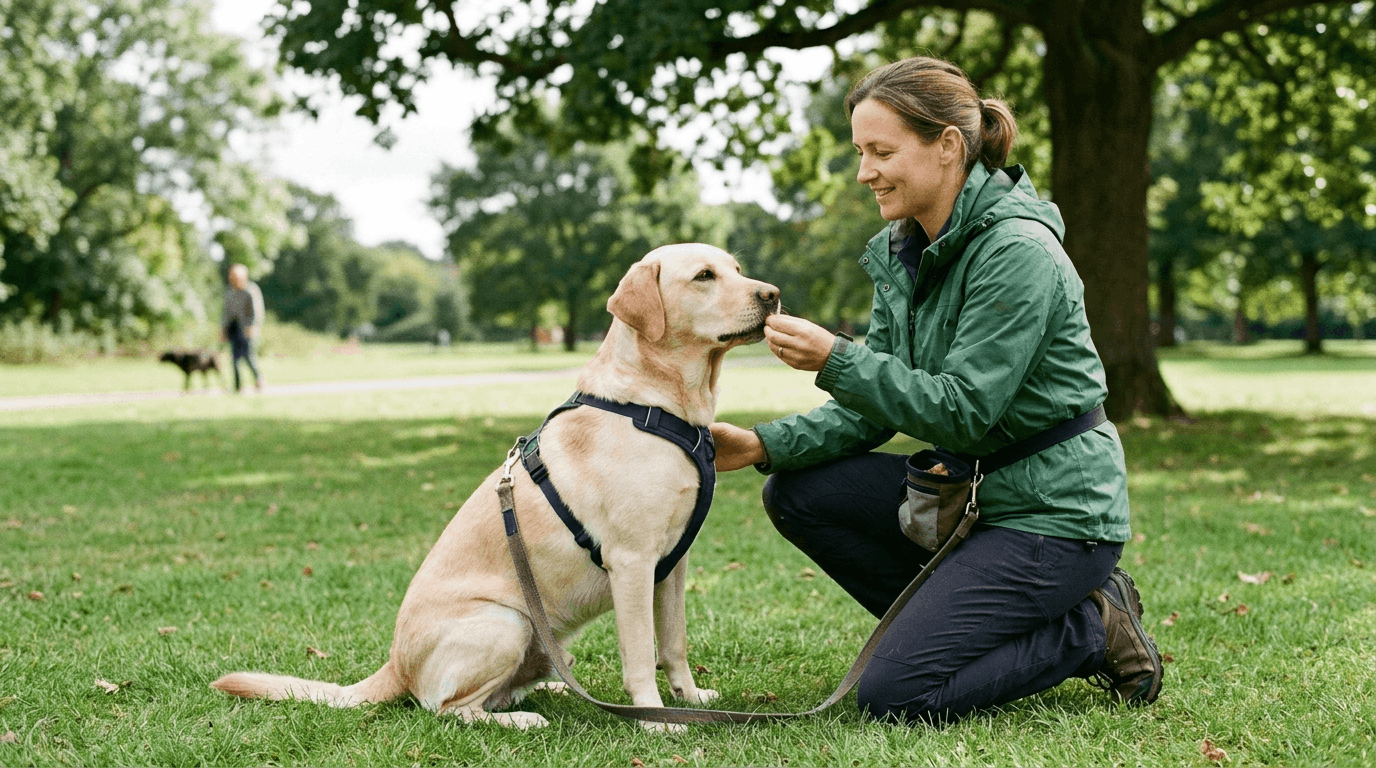
Living with a reactive Labrador can feel overwhelming at times, especially when everyday situations trigger barking, lunging, or anxiety. However, calm reactive labrador training offers a structured and effective way to address these behaviors while strengthening your relationship with your dog. Instead of focusing on punishment or control, this approach emphasizes consistency, positive reinforcement, and emotional balance. Over time, it helps your Labrador feel more secure and responsive in situations that once caused stress.
While Labradors are generally friendly and outgoing, they can still develop reactive tendencies due to fear, excitement, or lack of socialization. Because of this, calm reactive labrador training becomes essential for guiding your dog toward better behavior. With patience and the right techniques, you can turn challenging moments into opportunities for growth. As you work together, your Labrador begins to trust your guidance, which makes training more effective and enjoyable.
Understanding Why Labradors Become Reactive
Before you begin training, it is important to understand the root causes of reactivity. Labradors may react to other dogs, people, or unfamiliar environments for different reasons. Sometimes, the behavior stems from fear or past experiences, while in other cases, it comes from overexcitement. Regardless of the cause, calm reactive labrador training focuses on addressing the underlying emotion rather than just the outward behavior.
For example, a Labrador that barks at other dogs may not be aggressive but simply overwhelmed. Recognizing this distinction helps you respond with empathy instead of frustration. As a result, your training approach becomes more effective. Additionally, understanding triggers allows you to plan training sessions more strategically, which supports consistent progress.
Consistency plays a key role here. When you respond the same way each time your dog reacts, you create a predictable environment. This predictability helps reduce anxiety, making calm reactive labrador training more successful over time.
The Role of Consistent Rewards in Training
Rewards are the foundation of positive training methods, and they play a central role in shaping your Labrador’s behavior. When used correctly, they help your dog associate calm behavior with positive outcomes. Because of this, calm reactive labrador training relies heavily on consistent rewards to reinforce desired actions.
Timing is critical when using rewards. You should reward your dog immediately after it displays calm behavior, even if the improvement seems small. This immediate feedback helps your Labrador understand exactly what it did right. Over time, these small successes build confidence and reduce reactive responses.
In addition, the type of reward matters. High-value treats, praise, or playtime can all be effective, depending on what motivates your dog. By identifying your Labrador’s preferences, you make calm reactive labrador training more engaging and rewarding. This approach encourages your dog to repeat positive behaviors naturally.
Creating a Calm Training Environment
A calm environment is essential for successful training. If your Labrador feels overwhelmed, it will be difficult for them to focus and learn. Therefore, calm reactive labrador training often begins in low-distraction settings before gradually introducing more challenging situations.
Start by practicing basic commands in a quiet area where your dog feels comfortable. Once your Labrador responds consistently, you can slowly introduce mild distractions. This gradual progression helps your dog build confidence without becoming overstimulated.
Additionally, your own behavior influences your dog’s response. Dogs are highly sensitive to human emotions, so staying calm and patient is crucial. When you remain composed, your Labrador is more likely to mirror that calmness. As a result, calm reactive labrador training becomes more effective and less stressful for both of you.
Using Desensitization and Counterconditioning
Desensitization and counterconditioning are powerful techniques that help reduce reactivity over time. These methods involve gradually exposing your Labrador to triggers while pairing those experiences with positive rewards. Through repetition, your dog begins to associate the trigger with something pleasant rather than stressful.
For example, if your Labrador reacts to other dogs, you can start by observing them from a safe distance. At this distance, your dog remains calm, allowing you to reward that behavior. As your Labrador becomes more comfortable, you can slowly decrease the distance. This step-by-step process is a key part of calm reactive labrador training.
Consistency is essential during this process. Each successful interaction reinforces positive behavior, while rushing the process can lead to setbacks. By taking your time, you ensure that your Labrador builds lasting confidence.
Building Focus and Communication
Strong communication is vital for any training program. Teaching your Labrador to focus on you, even in distracting situations, can significantly reduce reactive behavior. Simple exercises, such as making eye contact on command, can improve your dog’s attention and responsiveness.
During calm reactive labrador training, these focus exercises act as a foundation for more advanced skills. When your dog learns to look to you for guidance, it becomes easier to redirect their attention away from triggers. This shift in focus helps prevent reactive responses before they escalate.
Moreover, clear communication builds trust. Your Labrador begins to understand what is expected, which reduces confusion and anxiety. Over time, this clarity strengthens your bond and makes training sessions more productive.
Managing Real-Life Situations Effectively
Training does not happen in isolation, so it is important to apply your skills in real-world situations. Walks, visits to the park, and interactions with other dogs all provide opportunities to practice calm reactive labrador training. However, preparation is key to success.
Before entering a potentially challenging environment, ensure that your Labrador is calm and focused. If your dog becomes overwhelmed, it is better to create distance and regroup. This proactive approach prevents negative experiences and reinforces positive behavior.
In addition, using consistent cues and rewards in real-life situations helps your Labrador generalize what it has learned. The more you practice, the more confident your dog becomes. As a result, calm reactive labrador training leads to noticeable improvements in everyday behavior.
Staying Patient and Consistent
Training a reactive Labrador requires time and dedication. Progress may be gradual, but each small step contributes to long-term success. Therefore, patience is one of the most important qualities you can bring to the process.
Consistency is equally important. Using the same commands, rewards, and responses ensures that your Labrador receives clear guidance. When expectations remain consistent, your dog feels more secure and confident. This stability is essential for effective calm reactive labrador training.
It is also important to celebrate progress, no matter how small. Recognizing improvements keeps you motivated and reinforces positive behavior in your dog. Over time, these small victories add up to significant change.
Strengthening the Bond Through Training
Beyond behavior improvement, training offers an opportunity to deepen your connection with your Labrador. As you work together, you build trust, understanding, and mutual respect. This emotional bond makes training more meaningful and rewarding.
Calm reactive labrador training encourages positive interactions, which strengthen your relationship. Instead of focusing on correcting mistakes, you focus on rewarding success. This shift in perspective creates a more enjoyable experience for both you and your dog.
As your Labrador becomes more confident and responsive, your daily interactions improve. Walks become more relaxed, social situations feel less stressful, and your overall relationship becomes stronger.
Conclusion
Helping a reactive Labrador become calm and confident is a journey that requires patience, consistency, and the right approach. Calm reactive labrador training provides a practical and compassionate framework for addressing challenging behaviors while building trust. By focusing on consistent rewards, clear communication, and gradual exposure to triggers, you create an environment where your dog can thrive.
Although progress may take time, the results are worth the effort. A calmer, more confident Labrador not only improves your daily life but also enjoys a higher quality of life. Ultimately, calm reactive labrador training is about more than behavior; it is about creating a balanced, trusting, and lasting relationship with your dog.
FAQ
- What causes a Labrador to become reactive?
Reactivity can stem from fear, excitement, lack of socialization, or past experiences that create stress in certain situations. - How long does it take to see training results?
Results vary, but consistent effort usually leads to noticeable improvements within a few weeks. - Can older Labradors learn to stay calm?
Yes, dogs of any age can improve their behavior with patience and consistent training methods. - What type of rewards work best for training?
High-value treats, praise, and playtime are effective, depending on what motivates your dog the most. - Should I avoid triggers completely during training?
It is better to manage distance and gradually expose your dog to triggers in a controlled way.