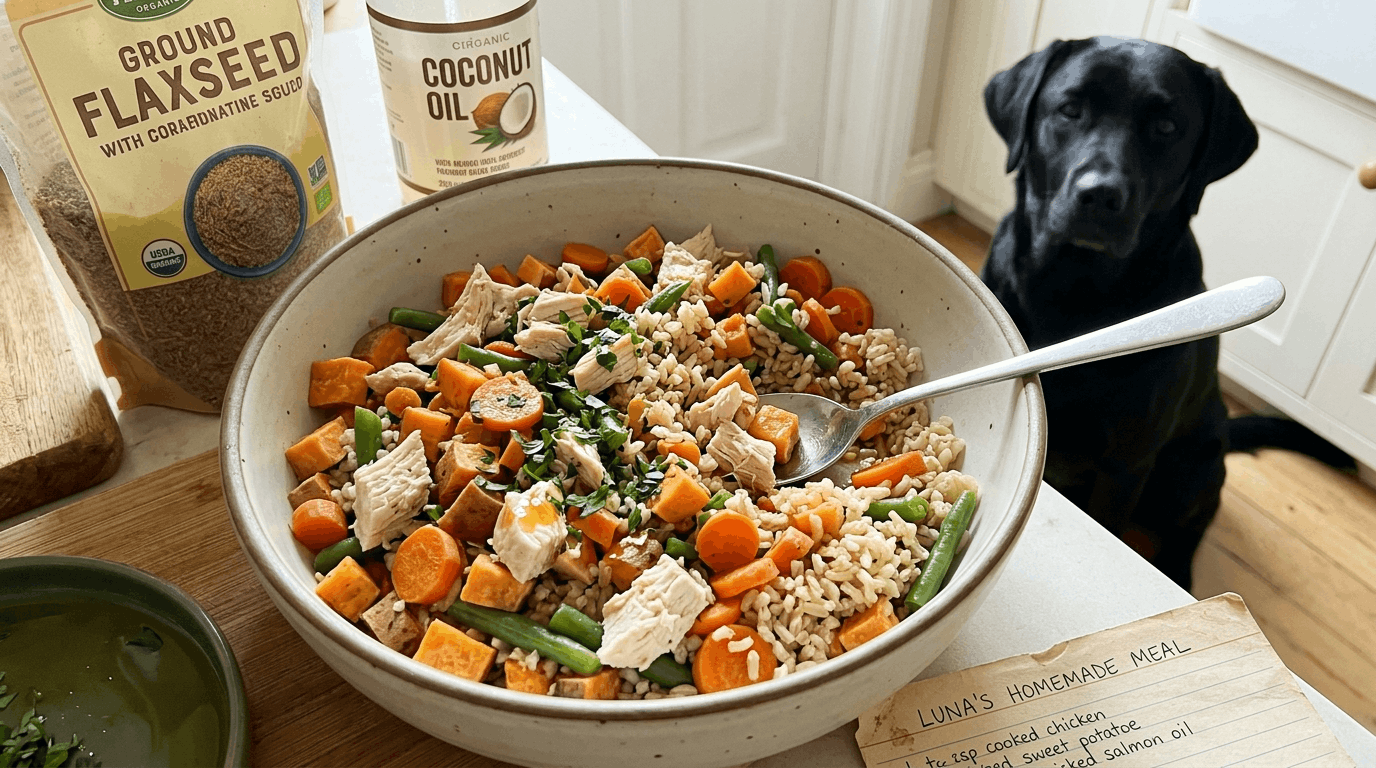
Feeding your dog is one of the most important responsibilities you have as a Labrador owner, and many people are now turning to homemade labrador food as a healthier alternative to commercial options. While store-bought food offers convenience, it often includes preservatives, fillers, and ingredients that are not always ideal. In contrast, preparing meals at home allows you to choose fresh, natural ingredients that directly support your dog’s well-being. As a result, more owners are discovering that homemade labrador food can lead to noticeable improvements in energy, digestion, and overall health.
However, making the switch requires careful planning and a clear understanding of your dog’s nutritional needs. Labradors are active, food-driven dogs, and their diets must provide balanced nutrients to maintain a healthy weight and strong body. Because of this, homemade labrador food should never be based on guesswork. Instead, it should be approached with knowledge, consistency, and attention to detail to ensure your dog receives everything it needs.
Understanding Your Labrador’s Nutritional Needs
Before you start preparing meals, it is essential to understand what your Labrador requires nutritionally. Dogs need a balance of protein, fats, carbohydrates, vitamins, and minerals to function properly. Therefore, homemade labrador food must include all these components in the right proportions.
Protein is the foundation of any dog’s diet, as it supports muscle growth and repair. Sources such as chicken, beef, turkey, and fish are excellent choices. In addition, healthy fats provide energy and help maintain a shiny coat. Ingredients like fish oil or flaxseed can supply essential fatty acids that support skin health.
Carbohydrates, while not always emphasized, play an important role in energy levels. Foods like rice, sweet potatoes, and oats provide steady energy without causing spikes. At the same time, vegetables contribute fiber and important vitamins that aid digestion. When prepared correctly, homemade labrador food can deliver all these benefits in a natural and balanced way.
Benefits of Preparing Food at Home
One of the main reasons people choose homemade labrador food is the ability to control ingredient quality. You know exactly what goes into each meal, which reduces the risk of unwanted additives or allergens. This transparency makes it easier to tailor meals to your dog’s specific needs.
Additionally, many Labradors show improvements in digestion when switched to fresh food. Because natural ingredients are easier to process, your dog may experience fewer digestive issues and more consistent energy levels. Over time, homemade labrador food can contribute to better nutrient absorption and overall health.
Another advantage is customization. If your Labrador has allergies or sensitivities, you can adjust ingredients accordingly. This flexibility allows you to create meals that suit your dog’s unique requirements, which is not always possible with commercial products.
Essential Ingredients for Balanced Meals
Creating balanced meals is the most important aspect of homemade labrador food. Each meal should include a mix of protein, carbohydrates, and vegetables to ensure complete nutrition. Without this balance, your dog may miss essential nutrients.
Lean meats are the primary protein source and should make up a significant portion of the meal. Chicken and turkey are popular options because they are easy to digest. Meanwhile, fish provides additional omega-3 fatty acids, which support joint and coat health.
Carbohydrates should come from whole, unprocessed sources. Brown rice, quinoa, and sweet potatoes are excellent choices that provide energy and fiber. Vegetables such as carrots, spinach, and green beans add vitamins and antioxidants that support overall health.
In some cases, supplements may be necessary to complete homemade labrador food. Calcium, for example, is essential for bone health and may need to be added if not naturally included in the diet. Consulting a veterinarian can help ensure proper balance.
Foods to Avoid in Homemade Diets
While preparing meals at home offers many benefits, it also requires awareness of harmful foods. Some ingredients that are safe for humans can be dangerous for dogs. Therefore, knowing what to avoid is just as important as knowing what to include.
Common toxic foods include chocolate, onions, garlic, grapes, and raisins. These items can cause serious health issues and should never be included in homemade labrador food. Additionally, excessive salt, sugar, and fatty foods should be avoided to prevent long-term problems.
Processed foods are also not suitable for dogs. Even small amounts can disrupt digestion or lead to weight gain. By focusing on fresh, natural ingredients, you ensure that homemade labrador food remains safe and beneficial.
Preparing Meals Safely and Efficiently
Once you understand the basics, preparing homemade labrador food becomes a straightforward process. Start by selecting high-quality ingredients and cooking them thoroughly to eliminate harmful bacteria. Proper cooking methods, such as boiling or steaming, help preserve nutrients while ensuring safety.
Portion control is another important factor. Labradors are prone to overeating, so measuring meals carefully helps maintain a healthy weight. Using a consistent feeding schedule also supports digestion and routine.
Batch cooking can save time and make meal preparation more convenient. By preparing larger portions and storing them properly, you ensure that homemade labrador food is always ready. Refrigeration and freezing help maintain freshness and prevent spoilage.
Transitioning Your Labrador to Homemade Food
Switching from commercial food to homemade labrador food should be done gradually. A sudden change can upset your dog’s digestive system, so it is important to introduce new meals slowly. Start by mixing small amounts of homemade food with your dog’s current diet, then increase the proportion over time.
During this transition, observe your dog’s response carefully. Changes in stool, energy, or appetite can indicate how well the new diet is working. If any issues arise, adjustments can be made to improve the balance.
Consistency is key during this process. By maintaining a steady routine, you help your Labrador adapt more easily to homemade labrador food. Over time, your dog will become fully accustomed to the new diet.
Maintaining Long-Term Health With Homemade Diets
Once your Labrador is fully transitioned, ongoing monitoring is essential to ensure continued success. Regular veterinary check-ups help confirm that homemade labrador food meets all nutritional requirements. Blood tests and physical exams can identify any potential deficiencies early.
Adjustments may be needed as your dog ages or changes activity levels. Puppies, adult dogs, and seniors have different nutritional needs, so the diet should evolve accordingly. By staying attentive, you ensure that homemade labrador food remains effective throughout your dog’s life.
In addition, maintaining variety in meals can help prevent boredom and provide a wider range of nutrients. Rotating protein sources and vegetables keeps meals interesting while supporting balanced nutrition.
Common Mistakes to Avoid
Even with the best intentions, mistakes can happen when preparing homemade labrador food. One of the most common errors is failing to provide a balanced diet. Missing key nutrients can lead to health problems over time, so careful planning is essential.
Another mistake is overfeeding. Because homemade meals can be more appealing, it is easy to give larger portions than necessary. Monitoring weight and adjusting portions helps prevent obesity.
Lack of consistency can also affect results. Feeding irregularly or frequently changing ingredients may disrupt digestion. By maintaining a stable routine, you ensure that homemade labrador food delivers consistent benefits.
Conclusion
Preparing meals at home offers a powerful way to improve your Labrador’s health and well-being. Homemade labrador food allows you to control ingredients, avoid harmful additives, and tailor meals to your dog’s needs. While the process requires effort and planning, the benefits are clear and long-lasting.
By focusing on balance, quality, and consistency, you create a diet that supports energy, digestion, and overall vitality. Over time, your Labrador will likely show improvements in both physical health and behavior. Ultimately, homemade labrador food is more than a feeding choice; it is a commitment to providing the best possible care for your dog.
FAQ
- Can I feed my Labrador homemade meals every day?
Yes, as long as the meals are balanced and meet all nutritional requirements. - Do I need supplements for a home-prepared diet?
Sometimes supplements are necessary, especially for nutrients like calcium and omega-3s. - How do I know if my dog is getting enough nutrients?
Regular vet check-ups and monitoring your dog’s health can help ensure proper nutrition. - Is cooking better than feeding raw food?
Cooking reduces the risk of bacteria and is generally safer for most households. - How long does it take to prepare meals at home?
With batch cooking, you can prepare several days’ worth of food in just a few hours.