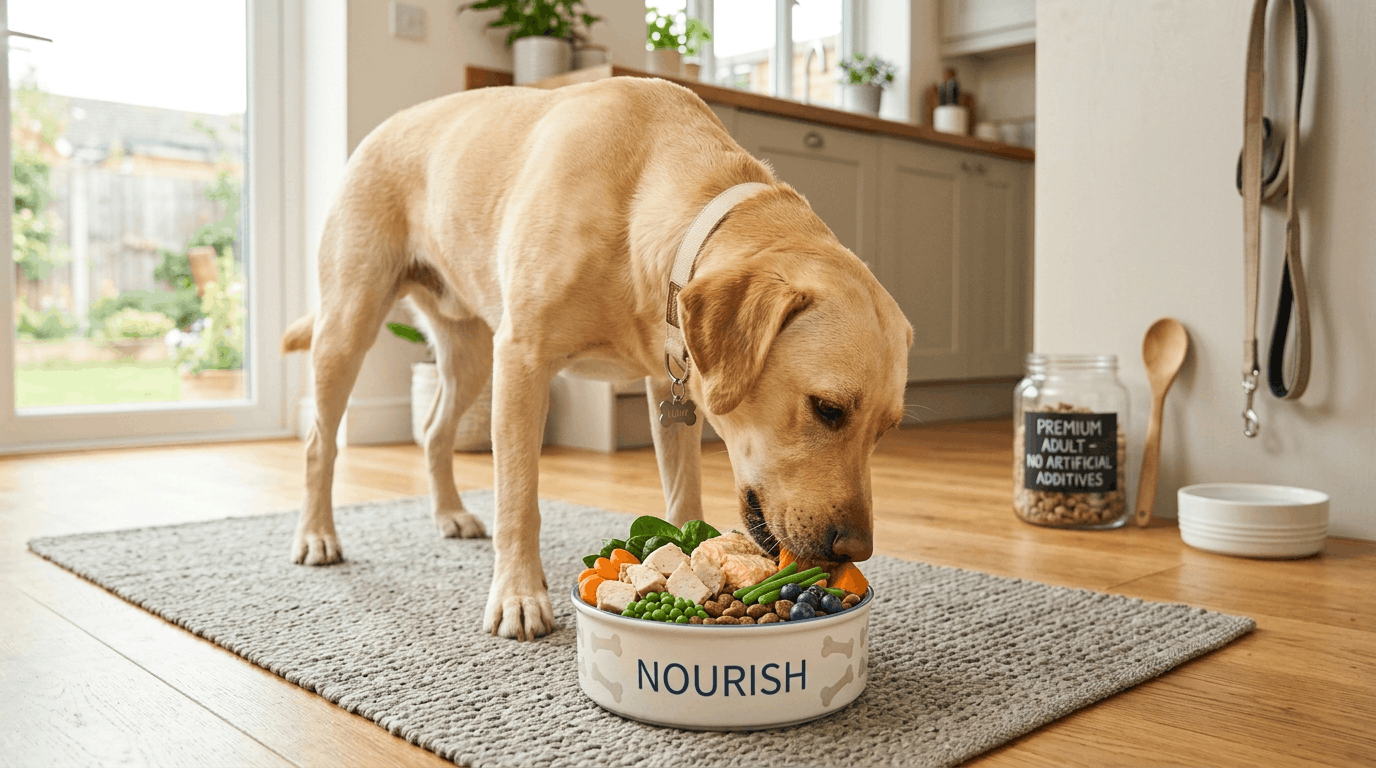
Labradors are known for their friendly personalities, endless energy, and strong appetite. However, many owners quickly notice that these lovable dogs often struggle with digestive problems. Sensitive stomachs, gas, bloating, loose stools, and food intolerances are surprisingly common in the breed. Because of that, many pet owners are now turning to clean nutrition for Labradors to improve digestion and support overall wellness.
A Labrador’s digestive system works best when it receives simple, high-quality ingredients that are easy to process. Unfortunately, many commercial dog foods contain artificial additives, low-quality fillers, and heavily processed ingredients that may irritate the gut. Over time, these foods can contribute to inflammation, inconsistent bowel movements, and discomfort.
Clean eating for dogs focuses on natural ingredients, balanced nutrition, and fewer unnecessary additives. As a result, Labradors often experience better digestion, improved energy, healthier skin, and more consistent appetite control. While every dog is different, many owners notice positive changes within just a few weeks of adjusting their dog’s diet.
Understanding how nutrition affects digestion can help you make smarter feeding choices for your Labrador. In addition, it allows you to identify ingredients that may trigger stomach issues before they become long-term problems.
Why Labradors Often Experience Digestive Issues
Labradors love food, yet their digestive systems can be surprisingly sensitive. Several factors contribute to digestive discomfort in the breed. Genetics play a role, but eating habits also matter significantly.
Many Labradors eat too quickly. Consequently, they swallow excess air while eating, which may lead to bloating and gas. In some cases, overeating creates unnecessary strain on the digestive system. Since Labradors are highly food motivated, portion control becomes extremely important.
Food quality also affects digestion. Highly processed foods often contain preservatives, artificial coloring, and inexpensive fillers such as corn gluten or by-products. These ingredients may irritate the stomach lining and disrupt healthy digestion. Furthermore, low-quality protein sources can become difficult for some dogs to absorb properly.
Food sensitivities may develop gradually as well. Some Labradors react poorly to dairy, wheat, soy, or artificial flavoring. Although symptoms sometimes appear mild at first, repeated exposure can lead to ongoing digestive stress.
Hydration is another important factor. Dogs that do not drink enough water may experience constipation or slower digestion. Therefore, combining nutritious food with proper hydration supports better gastrointestinal function.
Because Labradors tend to gain weight easily, poor digestion may also contribute to unhealthy weight gain. When nutrients are not absorbed efficiently, dogs often remain hungry and overeat. A cleaner diet helps support both digestion and appetite balance.
How Clean Ingredients Improve Gut Health
The main goal of clean nutrition for Labradors is to reduce digestive stress while improving nutrient absorption. Natural ingredients support the gut more effectively because they contain fewer irritants and unnecessary additives.
Whole proteins are especially important. Chicken, turkey, salmon, lamb, and beef provide amino acids that help maintain muscle health while remaining easier to digest than processed meat meals. In addition, clearly identified protein sources reduce the risk of hidden allergens.
Healthy carbohydrates also matter. Sweet potatoes, brown rice, pumpkin, and oats provide steady energy while supporting digestive regularity. Unlike heavily refined fillers, these ingredients contain fiber that nourishes beneficial gut bacteria.
Fiber plays a major role in digestive balance. Soluble fiber helps regulate bowel movements, while insoluble fiber supports healthy stool formation. Pumpkin is particularly helpful because it can assist both constipation and loose stools.
Natural fats improve digestion as well. Omega-3 fatty acids from fish oil or flaxseed help reduce inflammation throughout the digestive tract. As a result, many Labradors experience less irritation and improved stool consistency.
Fresh fruits and vegetables contribute antioxidants that support immune health. Since a large portion of the immune system connects directly to the gut, digestive wellness influences the body in multiple ways.
Moreover, clean foods avoid artificial preservatives, synthetic dyes, and unnecessary chemicals. Removing these irritants often helps Labradors with chronic digestive sensitivity feel more comfortable.
Common Ingredients That May Upset Labradors
Not every dog reacts the same way to food. Nevertheless, several ingredients frequently contribute to digestive issues in Labradors. Recognizing these triggers can help owners choose better meals and treats.
Artificial preservatives are one major concern. Ingredients such as BHA, BHT, and ethoxyquin may irritate sensitive stomachs. Although these additives extend shelf life, they provide no nutritional value.
Artificial coloring can also create digestive stress. Brightly colored kibble may appear attractive to humans, but dogs do not benefit from synthetic dyes. Some Labradors become more sensitive after repeated exposure.
Low-quality fillers often create additional problems. Corn syrup, soy protein isolate, and excessive wheat may be difficult for some dogs to digest efficiently. Furthermore, these ingredients sometimes contribute to excessive gas and bloating.
Rendered meat by-products can vary widely in quality. Since ingredient sourcing is not always clear, digestion may become inconsistent. Clean diets typically use named protein sources instead.
Too much fat can also upset a Labrador’s stomach. While healthy fats are beneficial, excessive greasy foods may trigger diarrhea or pancreatitis. Therefore, balanced fat intake remains essential.
Some owners unknowingly feed table scraps that disrupt digestion. Fried foods, heavily seasoned meats, dairy products, and sugary snacks often create gastrointestinal discomfort. Even occasional treats can contribute to digestive imbalance over time.
Because Labradors are enthusiastic eaters, gradual dietary changes work best. Sudden food transitions may temporarily upset the digestive system even when the new food is healthier.
The Role of Probiotics and Digestive Support
A healthy digestive system depends heavily on balanced gut bacteria. Probiotics help maintain that balance by supporting beneficial microorganisms inside the intestines. Consequently, probiotics have become an important part of clean nutrition for Labradors.
Beneficial bacteria help break down food more efficiently. They also assist nutrient absorption and support immune function. When gut bacteria become unbalanced, dogs may experience diarrhea, gas, or inconsistent digestion.
Many high-quality dog foods now include probiotics directly in their formulas. Additionally, some owners choose separate probiotic supplements for added digestive support.
Prebiotics are equally important because they feed healthy bacteria already living in the gut. Ingredients such as chicory root and pumpkin naturally support this process.
Fermented foods sometimes provide additional digestive benefits. However, owners should only offer dog-safe options approved by veterinarians. Human products may contain harmful seasonings or excessive sodium.
Digestive enzymes can also support dogs with sensitive stomachs. These enzymes help break down proteins, fats, and carbohydrates more effectively. As a result, some Labradors experience reduced bloating and improved stool quality.
Consistency matters when introducing probiotics or supplements. Gradual changes allow the digestive system to adjust naturally without creating unnecessary stress.
How Feeding Habits Affect Digestion
Even healthy food may not improve digestion if feeding habits remain poor. Labradors often eat quickly, beg constantly, and overconsume treats. Therefore, feeding routines play a major role in digestive wellness.
Slower eating supports healthier digestion. Many owners use slow-feeder bowls to reduce gulping and air intake. Consequently, dogs experience less bloating and discomfort after meals.
Meal timing matters as well. Feeding at consistent times each day helps regulate digestion and bowel movements. Irregular feeding schedules sometimes contribute to stomach upset.
Portion control is extremely important for Labradors because obesity creates additional digestive strain. Overfeeding can slow digestion while increasing inflammation throughout the body.
Hydration should never be overlooked. Clean water supports nutrient transport and healthy bowel function. Dogs eating dry kibble especially need consistent water intake.
Exercise also influences digestion positively. Moderate activity stimulates healthy intestinal movement and helps prevent sluggish digestion. However, intense exercise immediately after meals may increase the risk of bloating.
Treat selection matters too. Choosing natural treats with limited ingredients supports better digestive health. In contrast, heavily processed snacks often contain unnecessary fillers and preservatives.
Because every Labrador responds differently, owners should monitor stool quality, appetite, and energy levels carefully after dietary adjustments.
Signs Your Labrador Benefits From a Cleaner Diet
Many digestive improvements appear gradually after switching to healthier food. Nevertheless, some signs become noticeable fairly quickly.
More consistent bowel movements are usually one of the first improvements owners observe. Stools often become firmer and easier to pass. In addition, dogs may experience fewer episodes of diarrhea.
Reduced gas is another common benefit. Labradors with sensitive stomachs frequently produce excessive gas when eating low-quality ingredients. Cleaner foods often decrease bloating significantly.
Many dogs also develop healthier appetites. Instead of constantly begging for food, they feel more satisfied after balanced meals. Consequently, weight management becomes easier.
Energy levels may improve as well. Better digestion allows the body to absorb nutrients more efficiently, which supports overall vitality and stamina.
Skin and coat condition often improve alongside digestion. Since gut health influences inflammation levels, cleaner nutrition may reduce itching and dryness.
Some Labradors even show behavioral improvements after dietary changes. Dogs experiencing less digestive discomfort often become calmer and more relaxed.
Because digestive health affects the entire body, long-term benefits may extend far beyond the stomach itself.
Choosing the Right Food for Your Labrador
Selecting healthy food requires careful label reading. Marketing terms alone do not guarantee quality. Therefore, owners should focus on ingredient transparency and nutritional balance.
The first ingredient should ideally be a named protein source. Chicken, salmon, lamb, or turkey generally provide better nutrition than vague meat meals.
Shorter ingredient lists often indicate cleaner formulas. While not always true, simpler recipes usually contain fewer unnecessary additives.
Look for recognizable carbohydrates such as oats, brown rice, or sweet potatoes. These ingredients tend to support more stable digestion.
Artificial preservatives and synthetic dyes should be avoided whenever possible. Natural preservation methods are generally gentler on sensitive stomachs.
Protein quality matters more than protein quantity alone. Highly digestible protein supports muscle maintenance without overloading the digestive system.
Life stage also influences nutritional needs. Puppies, adults, and senior Labradors require different nutrient balances for optimal health.
Consulting a veterinarian can provide additional guidance, especially if your Labrador experiences chronic digestive issues. Food allergies, parasites, or medical conditions sometimes require specialized diets.
Most importantly, transition slowly when changing foods. Gradually mixing old and new food over seven to ten days helps minimize digestive upset.
Building Long-Term Digestive Wellness
Improving digestion is not about finding a quick fix. Instead, it involves creating long-term habits that support overall wellness. Clean nutrition for Labradors works best when combined with consistency, exercise, hydration, and portion awareness.
Small dietary improvements can create meaningful changes over time. Replacing heavily processed foods with cleaner alternatives often helps Labradors feel more comfortable and energetic. Furthermore, better digestion supports immune health, skin quality, and weight management.
Owners should remain patient during dietary transitions. Some dogs improve quickly, while others require more gradual adjustments. Observing your Labrador closely helps identify which foods provide the best results.
Healthy digestion allows Labradors to absorb nutrients efficiently and maintain better daily comfort. Since these dogs love food so much, providing balanced meals becomes one of the most important ways to support their quality of life.
Ultimately, cleaner eating is about supporting the entire body from the inside out. By focusing on whole ingredients, digestive support, and smarter feeding habits, Labrador owners can help their dogs thrive for years to come.
FAQ
1. What foods are easiest for Labradors to digest?
Simple whole foods such as chicken, turkey, pumpkin, sweet potatoes, and brown rice are often easier for Labradors to digest.
2. Can diet cause stomach problems in Labradors?
Yes. Artificial additives, low-quality fillers, and sudden food changes may contribute to gas, diarrhea, and bloating.
3. How long does it take to improve a dog’s digestion?
Some Labradors improve within a few weeks, although long-term digestive balance may take longer depending on the dog.
4. Are probiotics helpful for sensitive dogs?
Probiotics can support healthy gut bacteria, improve stool quality, and reduce digestive discomfort in many dogs.
5. Should Labradors avoid processed treats?
Highly processed treats may contain artificial ingredients and fillers that upset digestion. Natural treats are usually a better option.