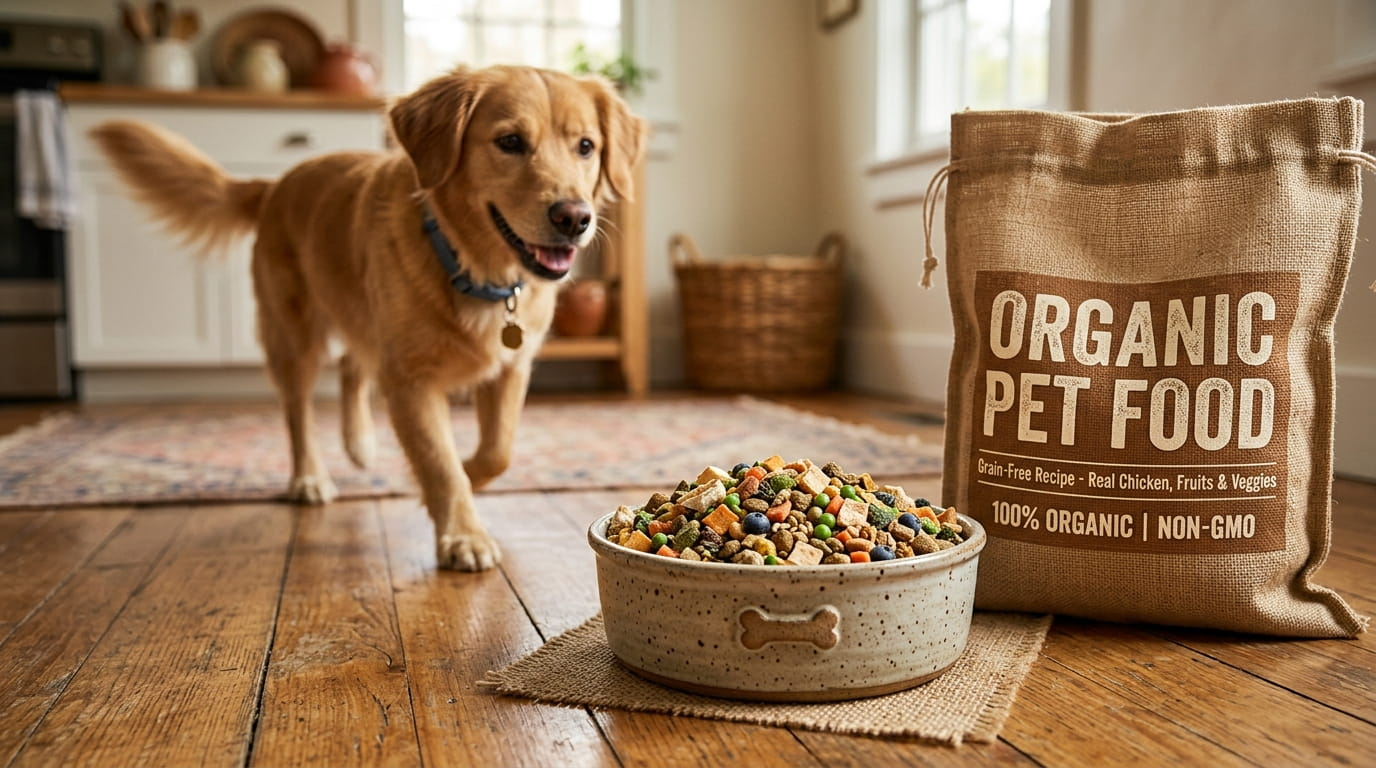
Organic pet food can feel like a smart choice when your dog struggles with itching, loose stools, gas, ear irritation, or frequent stomach upset. Sensitive dogs often need more than a random food switch, though. They need meals built around digestibility, quality protein, balanced nutrients, and fewer unnecessary additives. While the word “organic” sounds reassuring, it does not automatically mean a food will solve every problem. The real value comes from choosing a formula that fits your dog’s body, health history, and tolerance level. Therefore, the best food for a sensitive dog should be simple, complete, carefully sourced, and easy to introduce slowly.
Why Sensitive Dogs Need a More Thoughtful Food Choice
Sensitive dogs can react poorly to food for many reasons. Some have true food allergies, while others struggle with rich meals, sudden diet changes, low-quality ingredients, or too many treats. In many cases, owners notice soft stools, itchy skin, licking paws, repeated ear issues, or vomiting after meals. These signs can feel frustrating, especially when every new bag of food promises comfort and better health.
Organic pet food may help some sensitive dogs because it often focuses on cleaner ingredient lists and fewer synthetic inputs. However, organic status alone does not make a recipe gentle. A dog can still react to organic chicken, organic beef, organic wheat, or organic dairy if those ingredients do not suit them. Because of that, owners should read the full ingredient panel instead of trusting the front label.
A thoughtful food choice starts with patterns. Notice when symptoms appear, how long they last, and what your dog ate before the reaction. Also, track treats, chews, table scraps, flavored medicines, and toppers. These extras can confuse the picture. For example, a dog may seem sensitive to dinner but actually react to a daily chew or rich training reward.
Sensitive dogs also need consistency. Frequent food changes can upset digestion and make symptoms harder to understand. Instead of switching every few days, choose one well-matched food and transition slowly. If the symptoms seem severe, ongoing, or painful, talk with your veterinarian before making another change. Skin and digestive issues can also come from parasites, infections, stress, or medical conditions.
What Organic Really Means in Dog Food
Organic pet food usually refers to food made with ingredients grown or raised under organic standards. These standards often limit certain synthetic pesticides, fertilizers, antibiotics, hormones, and genetically modified ingredients. For many owners, that matters because they want cleaner sourcing and fewer questionable inputs in their dog’s bowl. However, the label can vary depending on the percentage of organic ingredients used in the product.
The most important point is simple. Organic does not always mean hypoallergenic, grain-free, or automatically better for every sensitive dog. A recipe can be organic and still contain ingredients your dog cannot tolerate. Likewise, a non-organic food can sometimes work well if it uses the right protein, fiber, fat level, and nutrient balance. Therefore, organic should be one factor, not the only factor.
Look for clear labeling. A strong product should tell you the protein source, carbohydrate source, fat source, fiber sources, and life-stage suitability. It should also state that the recipe meets complete and balanced nutrition standards for your dog’s age group. Without that balance, even clean ingredients can create long-term gaps.
Organic pet food may appeal most when you want ingredient quality and a shorter, more transparent recipe. Sensitive dogs often benefit from fewer competing ingredients because it becomes easier to spot what works. However, simple does not mean incomplete. Dogs still need the right balance of amino acids, fatty acids, minerals, vitamins, and calories.
Ingredients That Often Work Better for Sensitive Dogs
The best food for sensitive dogs often starts with a clear protein source. Lamb, turkey, salmon, duck, or whitefish may work well for some dogs, especially when they have eaten chicken or beef for years. However, the right protein depends on your dog’s history. If your dog reacts to one protein, switching to another may help, but random changes can also make reactions harder to track.
Organic pet food with a limited ingredient design can support dogs that need fewer variables. These formulas usually use one main animal protein and one or two digestible carbohydrate sources. For example, a recipe may pair turkey with sweet potato or salmon with oatmeal. This approach does not guarantee success, but it gives owners a clearer starting point.
Carbohydrates matter too. Some sensitive dogs do well with brown rice, oatmeal, pumpkin, sweet potato, or peas. Others may struggle with certain grains or legumes. Because every dog responds differently, the goal is not to avoid every ingredient trend. Instead, choose ingredients that your dog digests well and that support firm, regular stools.
Healthy fats can also support skin comfort and coat quality. Fish oil, flaxseed, and certain animal fats may provide helpful fatty acids. Still, fat levels should not climb too high. Rich foods can trigger loose stools or stomach discomfort, especially in dogs with sensitive digestion. Therefore, a moderate-fat formula often works better than a heavy, overly rich recipe.
Ingredients to Watch Closely
Some ingredients do not suit sensitive dogs, even when the food looks premium. Artificial colors, heavy flavoring, unnecessary sweeteners, and vague meat by-products can make it harder to understand what your dog eats. While not every by-product is harmful, vague labeling gives owners less control. Sensitive dogs often do better when the formula is clear and predictable.
Organic pet food should still be checked for common triggers. Chicken, beef, dairy, wheat, soy, and eggs can bother some dogs. However, these ingredients are not bad for every dog. Many dogs digest them well. The issue comes from individual tolerance, not from a universal rule. Therefore, avoid blaming one ingredient category without observing your dog’s real response.
Treats can create hidden problems. A dog may eat a gentle dinner but receive cheese, jerky, biscuits, dental chews, and table scraps throughout the day. Then symptoms continue, and the owner assumes the food failed. For better results, keep treats simple during the transition. Use small portions of the new food as training rewards, or choose single-ingredient treats that match the main diet.
Also, watch for overly long ingredient lists. A food with many proteins, grains, legumes, fruits, herbs, and supplements can look impressive. However, it can also make sensitivity tracking harder. If your dog reacts, you may not know which ingredient caused the issue. A shorter formula can help you make better decisions.
How to Choose a Food That Actually Works
Organic pet food works best for sensitive dogs when it matches three needs: digestibility, balance, and consistency. First, choose a recipe with a protein your dog has not recently eaten often, especially if your veterinarian suspects food sensitivity. Next, choose carbohydrates and fibers that support stool quality. Finally, make sure the food suits your dog’s life stage, size, and activity level.
Do not choose a food only because it has a beautiful label. Instead, read the guaranteed analysis, ingredient list, feeding guide, and nutritional adequacy statement. Check whether the formula is for puppies, adults, seniors, or all life stages. Large-breed puppies, in particular, need careful mineral balance. If your dog has medical issues, ask your veterinarian before choosing a new formula.
Texture can matter too. Some dogs tolerate wet food better because it adds moisture and feels easier to digest. Others do well with dry food because it offers convenience and steady portions. Fresh cooked foods can also work if they come from a reputable brand or a veterinary nutritionist-approved recipe. The best choice depends on your dog and your daily routine.
Price should also fit your long-term plan. Organic formulas can cost more, so choose something you can feed consistently. A food that works only when the budget allows can lead to frequent switching. Since sensitive dogs often need stability, long-term affordability matters.
The Right Way to Transition Your Dog
A slow transition can make or break the process. Even a high-quality food can cause stomach upset if you switch too quickly. Start by mixing a small amount of the new food into the old food. Then increase the new portion gradually over seven to ten days. For very sensitive dogs, take two weeks or longer.
Organic pet food should not enter the bowl alongside several new treats, supplements, or toppers. Keep the rest of the routine steady. This helps you judge the food more clearly. If you introduce too many changes at once, you may not know what helped or what caused trouble.
Watch your dog’s stool, skin, appetite, energy, and behavior during the transition. Mild stool changes can happen at first, but severe diarrhea, vomiting, blood, swelling, or extreme itching needs veterinary care. Also, do not keep pushing through a food that clearly makes your dog worse. A careful transition should feel steady, not stressful.
Once your dog settles on the new food, give it enough time. Skin changes may take several weeks to improve because the body needs time to calm down. Digestive changes may appear sooner, but each dog differs. Keep notes so you can compare symptoms honestly rather than relying on memory.
When Organic Food May Not Be Enough
Organic pet food can support many sensitive dogs, but it cannot fix every cause of itching or digestive trouble. Fleas, environmental allergies, yeast infections, intestinal parasites, anxiety, pancreatitis, inflammatory bowel disease, and other health issues can mimic food reactions. Therefore, ongoing symptoms deserve a proper checkup.
If your dog has chronic ear infections, constant paw licking, repeated vomiting, weight loss, blood in stool, or severe diarrhea, do not rely on diet alone. Your veterinarian may recommend tests, medication, parasite control, or a structured elimination diet. This process can feel slower, but it gives clearer answers.
A true elimination diet usually requires strict feeding. That means no random treats, flavored toothpaste, table scraps, or chews unless your veterinarian approves them. Many owners accidentally break the trial without realizing it. As a result, they may think the diet failed when the dog kept receiving trigger ingredients elsewhere.
Organic formulas can still play a role after your dog stabilizes. Once you know which ingredients your dog tolerates, you can choose a cleaner recipe that fits those needs. However, diagnosis should come first when symptoms are serious or long-lasting.
Practical Feeding Habits That Improve Results
The food itself matters, but daily habits matter too. Measure meals instead of guessing. Sensitive dogs can struggle when they eat too much, even if the food is high quality. Overfeeding can cause loose stools, gas, and weight gain. Labradors, beagles, spaniels, and many other food-loving breeds need especially careful portions.
Organic pet food should be stored correctly to protect freshness. Keep dry food sealed in its original bag inside an airtight container. Store it away from heat, sunlight, and moisture. For wet or fresh food, follow refrigeration instructions and discard leftovers on time. Rancid fats or spoiled food can upset digestion quickly.
Feed on a steady schedule when possible. Many sensitive dogs do better with routine. Some prefer two meals a day, while others may need smaller, more frequent meals. If your dog gulps food, try a slow feeder. Fast eating can lead to gas, regurgitation, and discomfort.
Hydration also supports digestion. Keep clean water available at all times. If your dog eats dry food, moisture-rich toppers may help, but choose them carefully. Plain pumpkin, a small amount of wet food, or warm water can soften meals without adding too many variables.
Conclusion: Cleaner Food Works Best With Careful Choices
Organic pet food can help sensitive dogs when it combines cleaner sourcing with the right recipe, careful transition, and consistent feeding habits. The label alone does not solve itching, loose stools, or stomach upset. However, a simple, balanced, well-matched formula can make a meaningful difference for dogs that need gentler nutrition.
The best approach starts with observation. Track symptoms, simplify treats, read labels closely, and transition slowly. If problems continue, involve your veterinarian instead of switching foods endlessly. Sensitive dogs need patience, structure, and meals that match their individual tolerance. When you choose thoughtfully, feed consistently, and avoid unnecessary extras, your dog has a better chance to feel calmer, healthier, and more comfortable every day.
FAQ
1. Is Organic Food Better for Dogs With Sensitive Stomachs?
It can help some dogs, especially when the recipe uses simple, digestible ingredients. However, the formula matters more than the label. A sensitive dog still needs a protein and carbohydrate source they tolerate well.
2. How Long Does It Take to See Results After Switching Food?
Digestive changes may improve within days or weeks, while skin issues may take longer. Many dogs need several weeks of steady feeding before owners see clear results. Consistency matters during this period.
3. What Protein Is Best for a Sensitive Dog?
The best protein depends on your dog’s food history. Some dogs do well with salmon, turkey, lamb, duck, or whitefish. However, dogs with suspected allergies may need a veterinarian-guided elimination diet.
4. Should I Choose Grain-Free Food for Sensitivities?
Not always. Some dogs tolerate grains like rice or oatmeal very well. Grain-free food only makes sense when your dog truly reacts to grains or your veterinarian recommends it.
5. Can Treats Ruin a Sensitive Dog’s Diet Plan?
Yes, treats can disrupt progress if they contain ingredients your dog cannot tolerate. During a food trial or transition, keep treats simple and consistent. Use approved treats or pieces of the main food when possible.