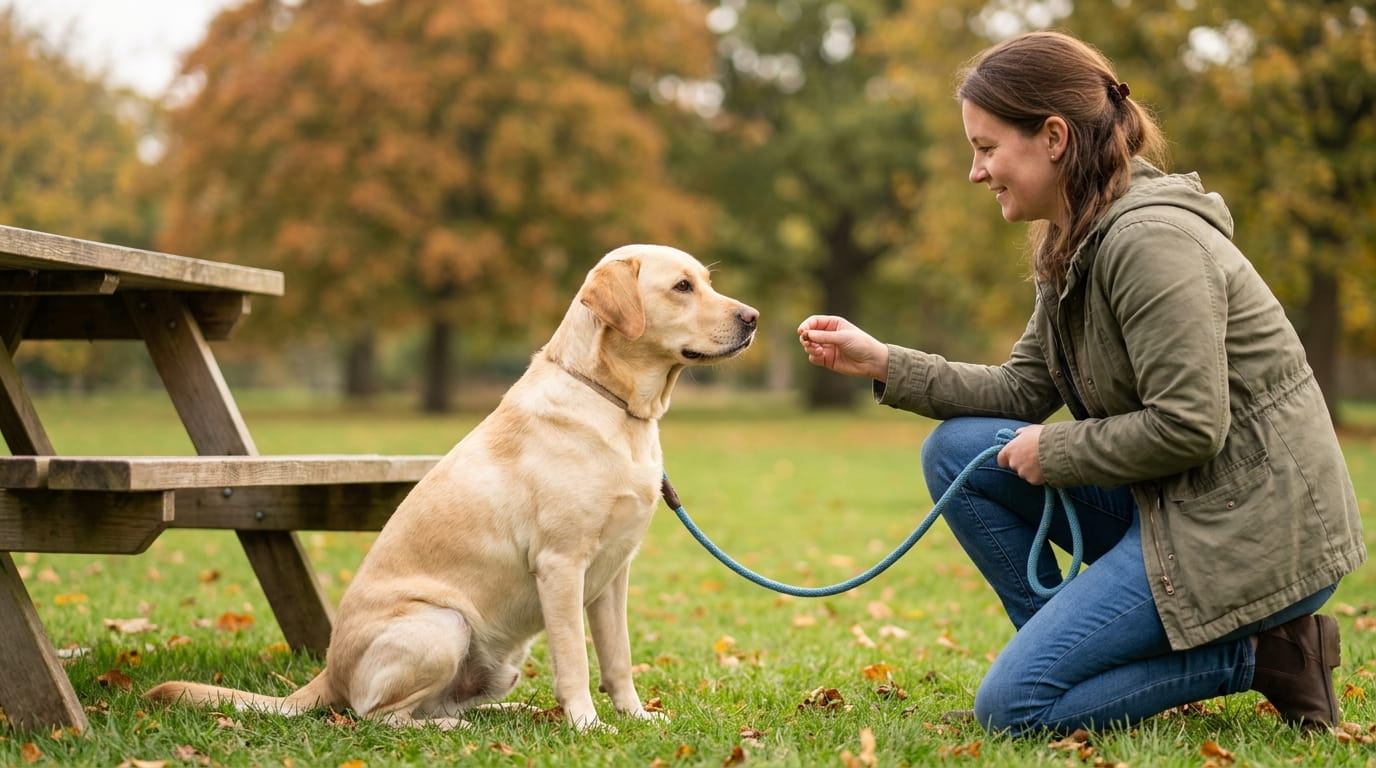
Good Labrador behavior does not come from fear, force, or constant correction. It grows from clear guidance, steady routines, and rewards that help your dog understand what you want. Labradors are friendly, energetic, food-motivated dogs, which makes them wonderful companions and eager learners. However, their enthusiasm can also lead to jumping, pulling, chewing, barking, stealing items, or ignoring cues when life feels too exciting. Instead of punishing those behaviors, you can teach better choices through patience, timing, and consistency. When your Labrador feels safe and understands the rules, training becomes less stressful for both of you.
Why Labradors Respond So Well to Positive Guidance
Labradors were bred to work closely with people, so they often enjoy interaction, praise, play, and food rewards. This gives owners a major advantage. You do not need to scare a Labrador into listening. Instead, you can motivate your dog with things they already value. A treat, a toy, a happy voice, or access to a favorite activity can all become useful rewards when used at the right moment.
Punishment may stop a behavior for a short time, but it often fails to teach the dog what to do instead. For example, yelling at a Labrador for jumping may interrupt the jump, yet it does not explain that sitting earns attention. Because Labradors love attention, even a frustrated reaction can sometimes reward the behavior. A better plan teaches the dog that calm paws on the floor bring greetings, praise, and connection.
Good Labrador behavior starts with this simple idea: reward the actions you want to see again. If your dog sits before a meal, praise and feed. If they walk beside you for three steps, reward that choice. When they chew their toy instead of your shoe, quietly reinforce the better option. Over time, your Labrador learns which choices create good outcomes.
This approach also protects your bond. Dogs learn more easily when they feel secure. If training becomes tense, many Labradors either shut down or become more excited and confused. However, calm reward-based training keeps communication clear. It turns everyday moments into small lessons your dog can understand.
Set Your Labrador Up to Succeed
A Labrador cannot make good choices if the environment keeps tempting them to fail. Therefore, management matters as much as training. If your dog steals socks, keep laundry out of reach. If they chew shoes, close the closet door. If they counter-surf, clear food from counters and block kitchen access during busy times. These steps do not replace training, but they prevent unwanted habits from becoming stronger.
Good Labrador behavior becomes easier when you reduce mistakes before they happen. Think of management as kindness, not cheating. A young Labrador with access to slippers, snacks, bins, and children’s toys will probably make poor choices. However, the same dog can succeed in a calm space with chew toys, a bed, and clear supervision.
Exercise also plays a major role. Labradors need daily movement, but they also need the right kind of activity. A short walk may not satisfy a young, energetic dog. Fetch, swimming, scent games, tug with rules, and training walks can all help burn energy in healthy ways. Still, too much excitement can create an overtired dog that struggles to settle. Balance matters.
Mental enrichment can be just as helpful as exercise. Puzzle feeders, treat searches, training games, and sniffing walks give your dog a job. As a result, your Labrador has less reason to invent their own entertainment. A dog that feels fulfilled often listens better, rests more easily, and causes fewer problems around the house.
Teach the Behavior You Want Instead
Many owners focus on stopping unwanted behavior, but dogs learn faster when we show them the replacement behavior. If your Labrador jumps, teach sitting for greetings. If they pull, reward walking near your leg. If they bark for attention, reward quiet moments before the barking starts. If they grab items, teach “drop it” and trade for a better reward.
Good Labrador behavior improves when every problem has a clear replacement. This keeps training fair. Your dog does not have to guess what “no” means. Instead, they learn that a specific action earns something valuable. For example, a Labrador that begs at dinner can learn to lie on a mat. At first, reward often. Then, as the habit grows stronger, reward less frequently while still praising the calm choice.
Timing matters. Reward the behavior while it happens, not several seconds later. If your dog sits, mark the moment with a simple word like “yes,” then reward. If they look at you during a walk, praise before they lose focus. This helps your Labrador connect the reward to the exact action.
Keep sessions short. Labradors can learn quickly, but long sessions may create boredom or frustration. Five minutes of focused training can work better than thirty minutes of repeated commands. End while your dog still feels successful. That way, they come back eager for the next lesson.
Use Rewards Without Creating Bribery
Some owners worry that reward-based training means the dog will only listen when food appears. That can happen if treats become bribes instead of rewards. A bribe appears before the behavior and tries to lure the dog into action every time. A reward comes after the behavior and confirms the dog made the right choice.
Good Labrador behavior grows stronger when rewards stay varied and meaningful. Food works well because many Labradors love it, but it should not be the only option. Praise, toys, sniffing time, opening the door, throwing a ball, or greeting a person can all reward your dog. In fact, real-life rewards often work beautifully because they connect training to daily life.
For example, ask your Labrador to sit before you clip the leash. Reward the sit by starting the walk. Ask for eye contact before releasing them to sniff. Reward calm waiting by opening the back door. These moments teach self-control without pressure. Your dog learns that polite behavior makes good things happen.
Gradually reduce food rewards once your dog understands the cue. Start by rewarding every correct response. Then reward the best responses, faster responses, or harder situations. However, do not remove rewards too quickly. Labradors, like people, stay motivated when effort still pays off sometimes.
Handle Common Labrador Challenges Kindly
Jumping is one of the most common Labrador problems. Because Labradors love people, they often greet with their whole body. Instead of pushing your dog away or shouting, teach a greeting routine. Turn slightly away if they jump, then reward when all four paws touch the floor. Ask guests to help by giving attention only when your dog stays calmer.
Pulling on the leash also needs patient practice. Labradors often pull because the world smells exciting. Rather than yanking the leash, stop moving when the leash tightens. When your dog returns toward you or loosens the leash, move forward again. In addition, reward frequently when your Labrador walks near you. This teaches that pulling stops progress, while walking politely keeps the adventure going.
Good Labrador behavior also depends on safe chewing outlets. Labradors explore with their mouths, especially as puppies and adolescents. Punishing chewing after the fact rarely helps because the dog may not understand what went wrong. Instead, offer strong chew toys, rotate them often, and praise your dog for using them. If they grab the wrong item, trade calmly for an approved toy.
Barking can have many causes, including excitement, boredom, fear, frustration, or attention seeking. Because of that, avoid treating every bark the same way. If your dog barks from boredom, add enrichment. If they bark at windows, block the view during peak times. If they bark for attention, reward quiet moments and avoid giving attention during the barking. A calm plan works better than loud correction.
Build Calm Habits Into Everyday Life
A Labrador that only practices excitement will struggle to settle. Therefore, calm behavior needs practice too. Teach your dog to relax on a mat while you cook, work, or watch television. Start with short sessions. Reward your dog for stepping on the mat, lying down, and staying relaxed. Over time, the mat becomes a clear signal for rest.
Good Labrador behavior often improves when the whole home follows the same rules. If one person rewards jumping while another discourages it, the dog receives mixed messages. Decide which behaviors you want, then keep the rules simple. For example, sitting earns greetings, calm waiting earns meals, and quiet behavior earns attention. Consistency helps your Labrador learn faster.
Routines also reduce stress. Feed, walk, train, and rest at fairly predictable times when possible. Labradors do not need a rigid schedule, but they do benefit from knowing what comes next. A predictable routine can reduce demand barking, pacing, and attention-seeking behavior. It also helps you notice changes in mood, appetite, or energy.
Rest matters more than many owners realize. A tired Labrador may behave like an overexcited child. They may nip, jump, bark, or ignore cues because they need sleep. Puppies and young dogs especially need quiet downtime. Create a comfortable rest space where your dog can relax without constant stimulation.
Use Clear Cues and Simple Communication
Dogs do not automatically understand human words. They learn through repetition, timing, and outcomes. Therefore, use short, clear cues and avoid repeating them over and over. Say “sit” once, then wait. If your dog needs help, make the situation easier rather than raising your voice.
Good Labrador behavior becomes more reliable when cues mean the same thing every time. If “down” means lie on the floor, do not also use it to mean stop jumping. Choose separate words for separate actions. For example, use “off” for getting down from furniture or people, and use “down” for lying down.
Body language matters too. Labradors watch movement closely. If you lean forward, wave your hands, or speak excitedly, your dog may become more animated. When you want calm behavior, slow your body and soften your voice. This helps your dog match your energy.
Avoid training when you feel angry. Frustration can make your timing worse and your voice sharper. If a session goes poorly, pause and reset. Ask for an easy cue your dog knows, reward it, and end on a good note. Training should build confidence, not conflict.
Why Punishment Often Backfires
Punishment can create side effects that owners do not expect. A dog may become nervous, avoidant, or defensive. Some dogs stop offering behaviors because they fear making mistakes. Others become more excited because the punishment adds stress. In many cases, the original behavior returns when the owner is not present.
Good Labrador behavior needs trust. If your dog worries about your reaction, they may focus more on avoiding trouble than learning. This can damage recall, handling, grooming, and everyday cooperation. A Labrador that trusts you will usually engage more willingly and recover faster from distractions.
Punishment also fails when the dog does not understand the connection. If you find a chewed shoe after the fact and scold your dog, they may look guilty. However, that look often reflects fear or appeasement, not true understanding. The better solution is prevention, supervision, and teaching appropriate chewing before mistakes happen.
This does not mean you allow every behavior. Kind training still includes boundaries. You can block access, interrupt gently, redirect, use leashes or gates, and remove rewards for unwanted actions. The difference is that you guide the dog toward success instead of using fear to suppress behavior.
Conclusion: Kind Training Creates Lasting Results
Good Labrador behavior comes from clear teaching, daily practice, and a relationship built on trust. Labradors want to engage with their people, and that makes them highly trainable when owners use patience and structure. Instead of punishing mistakes, focus on rewarding better choices, managing the environment, and meeting your dog’s needs for movement, enrichment, rest, and connection.
A well-behaved Labrador is not a dog who never feels excited. It is a dog who has learned what to do with that excitement. With calm guidance, your Labrador can greet politely, walk better, chew appropriate toys, settle at home, and listen more often. The process takes consistency, but it does not require harsh methods. When you teach with kindness, your dog gains confidence, your bond grows stronger, and everyday life becomes easier for both of you.
FAQ
1. Can Labradors Learn Without Punishment?
Yes, Labradors can learn very well through rewards, routines, and clear guidance. They often respond strongly to food, praise, toys, and access to fun activities. Consistency helps them understand which behaviors work best.
2. How Do I Stop My Labrador From Jumping on Guests?
Teach your dog that sitting or keeping four paws on the floor earns attention. Ask guests to ignore jumping and greet only when your dog stays calmer. Practice with low-excitement visitors first, then build up slowly.
3. What Should I Do When My Dog Chews the Wrong Item?
Stay calm and trade the item for an approved chew toy. Then remove tempting objects and reward your dog for chewing the right things. Chewing improves faster when you prevent mistakes and provide better options.
4. Why Does My Labrador Pull So Much on Walks?
Labradors often pull because smells, people, and movement feel exciting. Stop when the leash tightens, then move again when your dog returns or loosens the leash. Reward walking near you often, especially in distracting areas.
5. How Long Does Positive Training Take to Work?
Some behaviors improve within days, while stronger habits may take weeks or months. Progress depends on consistency, timing, rewards, and the difficulty of the environment. Short daily sessions usually work better than long, occasional training.