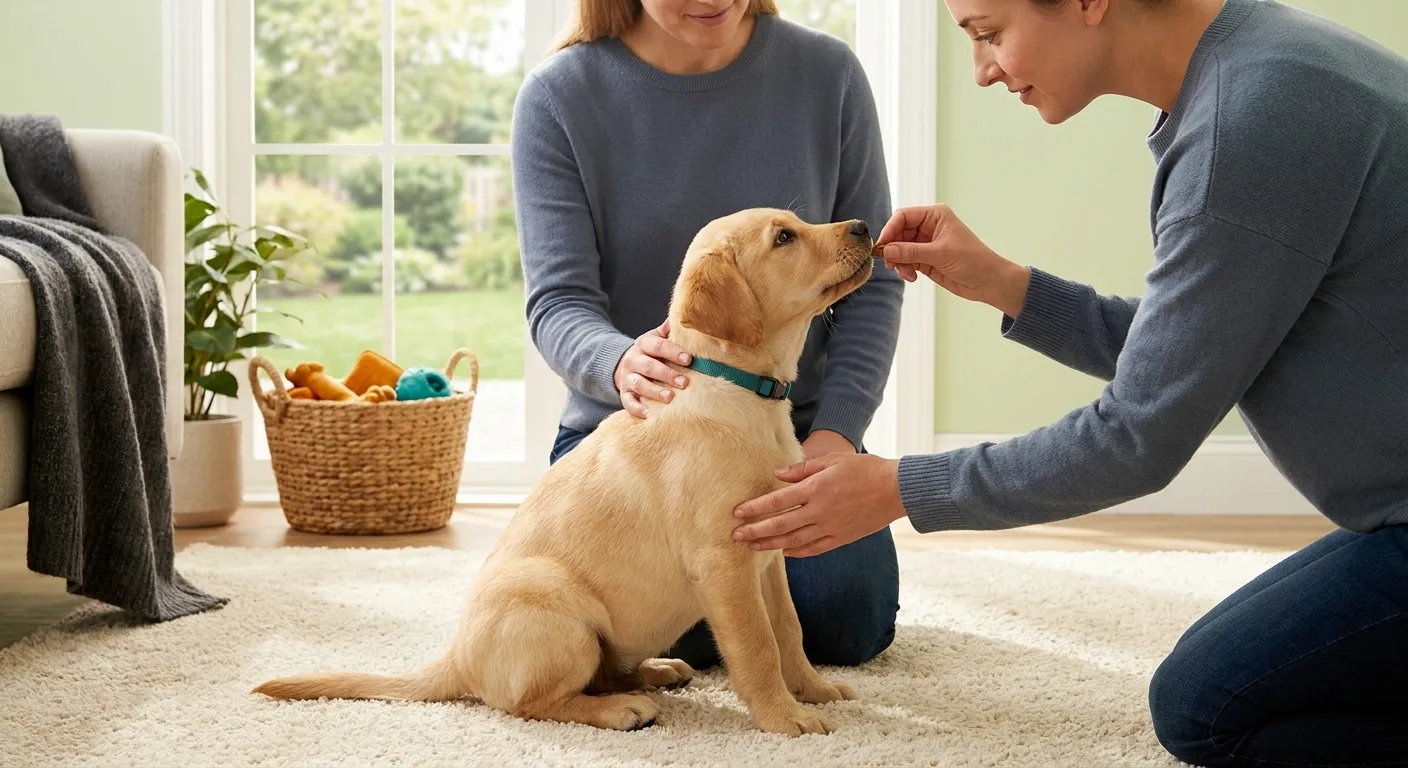
Bringing home a Labrador puppy is a whirlwind of joy, play, and endless cuddles. While their adorable antics are captivating, the puppy stage is also the most critical window for shaping their future temperament and behavior. Learning how to train Labrador puppy basics from an early age is not just about obedience; it’s about fostering a well-adjusted, confident, and happy companion. This guide will focus on essential early socialization and foundational manners, setting your Lab up for success.
The Importance of Early Socialization for Your Lab Puppy
Labradors are naturally friendly dogs. However, proper socialization is paramount to ensure they grow into confident, calm, and well-behaved adults. The critical socialization window for puppies is generally between 3 and 16 weeks of age. During this time, positive exposure to a wide variety of sights, sounds, people, and other animals helps them develop resilience. Consequently, this reduces the likelihood of fear-based aggression or anxiety later in life. For a deeper understanding of this crucial period, consider our article on Labrador Puppy Socialization: A Crucial Foundation for a Well-Adjusted Dog.
To effectively socialize your Lab puppy, focus on several key areas:
- Controlled Introductions to People: Introduce your puppy to people of all ages, genders, and appearances (wearing hats, glasses, etc.) in a calm, positive manner. This helps them generalize positive experiences.
- Positive Exposure to Other Dogs: Once fully vaccinated, enroll in puppy classes. Alternatively, arrange supervised playdates with healthy, vaccinated, gentle adult dogs. Supervise all interactions closely.
- Diverse Environments: Take your puppy to safe, clean places like quiet parks, pet-friendly stores (carrying them if they aren’t fully vaccinated), or friends’ houses. This exposes them to different sounds, surfaces, and smells.
- Everyday Sounds: Expose them gently to common household noises like vacuum cleaners, doorbells, and traffic sounds. Gradually increase exposure as they become comfortable.
Always ensure these experiences are positive. Never force your puppy into a situation that causes fear. The ultimate goal is positive association, thereby building confidence.
Foundational Manners: Basic Obedience for Labs
While advanced tricks can come later, focusing on basic obedience for Labs early on provides structure. It also helps your puppy understand boundaries. Labradors are intelligent and eager to please, making them highly trainable with consistent positive reinforcement. Here are some key commands to start with:
1. Name Recognition
This is the first step in any training program. Say your puppy’s name in a happy tone. When they look at you, immediately reward them with a treat and praise. Repeat this frequently in various environments. This teaches them to associate their name with positive outcomes.
2. Sit
Hold a treat near your puppy’s nose. Move it up and back over their head. As their rear end naturally lowers to follow the treat, say “Sit.” As soon as their bottom touches the ground, reward them. Practice short, frequent sessions to reinforce the behavior.
3. Come (Recall)
This command is vital for safety and control. Start in a quiet, enclosed area. Get down on their level, say “Come!” in an excited voice, and back away. When they reach you, give them a high-value treat and enthusiastic praise. Gradually increase distractions and distance as they improve.
4. Stay
Once your puppy reliably sits, you can introduce “Stay.” Ask your puppy to sit. Then, hold your hand out, palm facing them, and say “Stay.” Take one small step back. If they remain, step forward and reward them. Slowly increase distance and duration. If they move, gently guide them back to their original spot and start again.
5. Leave It
This command prevents your puppy from picking up undesirable or dangerous items. Place a treat on the floor. Cover it with your hand. When your puppy tries to get it, say “Leave It.” Once they back away or look at you, reward them with a different, higher-value treat. Practice with increasingly tempting items. This teaches impulse control.
6. Loose-Leash Walking
Early leash training prevents pulling later on. Start in a quiet area. Attach a lightweight leash and collar. Let your puppy get used to wearing it. Walk a few steps. If your puppy walks beside you without pulling, reward them. If they pull, stop immediately. Only resume walking when the leash loosens. For more specific guidance, see our article on 7 Effective Tips to Stop Labrador Leash Pulling.
Positive Reinforcement: The Cornerstone of Effective Training
Labradors respond exceptionally well to positive reinforcement. This method involves rewarding desired behaviors, making them more likely to occur again. This approach builds a strong, trusting bond between you and your puppy. Furthermore, it makes training an enjoyable experience for both of you.
- Treats: Use small, high-value treats that your puppy loves. Soft, easily digestible treats are ideal for training sessions.
- Praise: Verbal praise in an excited, happy tone (e.g., “Good job!” or “Yes!”) reinforces good behavior.
- Toys: A quick game of fetch or a favorite squeaky toy can be an excellent reward, especially for puppies who are highly motivated by play.
- Timing is Everything: Deliver the reward within 1-3 seconds of the desired behavior. This helps your puppy connect their action with the positive outcome.
Avoid punishment-based methods. These can create fear, damage your relationship, and suppress behaviors rather than teaching alternatives. Consistent positive reinforcement is key to successfully train Labrador puppy basics.
Preventing Common Puppy Behavior Issues
Even with the best intentions, puppies can develop challenging behaviors. Understanding and addressing these early can prevent them from becoming ingrained habits.
1. Nipping and Biting
Puppies explore the world with their mouths. This is normal, but it’s crucial to teach bite inhibition. When your puppy nips too hard, yelp loudly (like a puppy would) and immediately withdraw attention or leave the room for a few seconds. This teaches them that biting stops the fun. Offer appropriate chew toys as alternatives. Always redirect their biting towards these toys.
2. Chewing
Labradors, especially puppies, love to chew. Provide a variety of safe, durable chew toys. Make sure they are always accessible. Crate training can also help prevent destructive chewing when you cannot supervise directly. For insights into proper dietary needs that can influence chewing habits, consult our guide on Tailoring Labrador Nutrition: Meeting Needs from Puppyhood to Seniority.
3. Potty Training
Consistency is vital for potty training. Take your puppy out frequently: first thing in the morning, after waking from naps, after playing, and before bedtime. Reward them immediately when they go to the bathroom outside. Clean accidents thoroughly indoors to eliminate odors that attract them back to the same spot. A schedule helps immensely. Establish a routine and stick to it.
4. Crate Training
A crate can be a safe den for your puppy. It aids in potty training and provides a secure space when you’re away. Introduce the crate positively with treats and toys. Never use it for punishment. Ensure the crate is appropriately sized – large enough for them to stand, turn around, and lie down comfortably, but not so large that they can use one end as a bathroom. This can truly help you train Labrador puppy basics effectively.
Advanced Steps and Continued Learning
Once your Labrador puppy has mastered the basics, you can consider more advanced training. This might include off-leash recall, complex tricks, or even dog sports like agility or obedience trials. Continued learning keeps their minds active and strengthens your bond. Remember that training is an ongoing process, not a one-time event.
Ongoing Socialization
Socialization doesn’t stop after puppyhood. Continue to expose your adolescent and adult Lab to new experiences in a positive way. This reinforces their confidence and helps them remain well-adjusted in various situations. Regularly visit new parks or pet-friendly establishments.
Addressing Behavioral Challenges
If you encounter persistent behavioral issues, do not hesitate to seek professional help. A certified professional dog trainer or veterinary behaviorist can provide tailored guidance. Issues like excessive barking, aggression, or severe anxiety require expert intervention. Early action is always recommended. For example, if your Labrador exhibits signs of distress when left alone, understanding Managing Labrador Separation Anxiety: A Guide for Owners can be very helpful.
You can also consult resources like the American Veterinary Medical Association for guidance on finding qualified professionals. The AVMA website offers valuable information on pet care and professional resources. Furthermore, the Association of Professional Dog Trainers also provides directories for certified trainers. Visit APDT.com for more information.
Health and Wellness: Supporting Your Training Efforts
A healthy puppy is a happy puppy, and a happy puppy is easier to train. Ensure your Labrador receives proper veterinary care from the start. This includes regular check-ups and vaccinations. For comprehensive information on protecting your companion, see our guide on Essential Labrador Vaccinations: Protecting Your Beloved Companion.
Nutrition
Proper nutrition is fundamental for your puppy’s growth and energy levels. Feed a high-quality puppy food appropriate for large breeds. This supports their developing bones and joints. Always provide fresh water. Good nutrition provides the fuel they need to learn and play. Our article on Labrador nutrition offers detailed advice.
Exercise
Labradors are energetic dogs. They require plenty of exercise to stay physically and mentally fit. Daily walks, playtime in a secure yard, and mental stimulation through training sessions are all crucial. A tired Lab is usually a well-behaved Lab. Insufficient exercise can lead to destructive behaviors.
Regular Vet Visits
Routine veterinary visits are essential. They allow for early detection of potential health issues. For instance, dental health impacts overall well-being. Recognizing Labrador Dental Disease: Early Detection Saves Smiles and Health is important. Your vet can also advise on appropriate preventative care, including parasite control. This holistic approach ensures your puppy is in prime condition to learn.
Conclusion: The Reward of a Well-Trained Labrador
Learning to train Labrador puppy basics is an investment in your dog’s future. By focusing on early socialization and consistent positive reinforcement, you lay the groundwork for a confident, well-mannered, and joyful companion. The effort you put in during these crucial early months will pay dividends for years to come. Remember, patience, consistency, and a loving approach are your most powerful training tools. Enjoy the journey of watching your Labrador puppy grow into a cherished member of your family. This comprehensive approach will help you successfully train Labrador puppy basics and foster a wonderful relationship.
FAQ: Frequently Asked Questions About Labrador Puppy Training
What is the best age to begin training a Labrador puppy?
You can start basic training, like name recognition and house-training, as soon as you bring your Labrador puppy home, typically around 8 weeks of age. Early socialization is also crucial during the 3-16 week window.
How long should training sessions be for a young Lab puppy?
Keep training sessions short, generally 5-10 minutes, especially for very young puppies. Their attention spans are limited. Multiple short sessions throughout the day are more effective than one long one.
What are some common mistakes new owners make when training Lab puppies?
Common mistakes include inconsistent training, using punishment instead of positive reinforcement, not providing enough socialization, and failing to manage their environment to prevent unwanted behaviors. Patience is key when you train Labrador puppy basics.
How do I stop my Labrador puppy from biting and nipping?
To stop biting, teach bite inhibition. When your puppy nips too hard, yelp and withdraw attention. Redirect their biting to appropriate chew toys. Consistency is crucial for this behavior modification.
Why is early socialization so important for a Labrador?
Early socialization helps your Labrador puppy develop into a confident, calm, and well-adjusted adult. It exposes them positively to various sights, sounds, people, and other animals, reducing the risk of fear-based aggression or anxiety later in life. This is a core part of learning to train Labrador puppy basics.