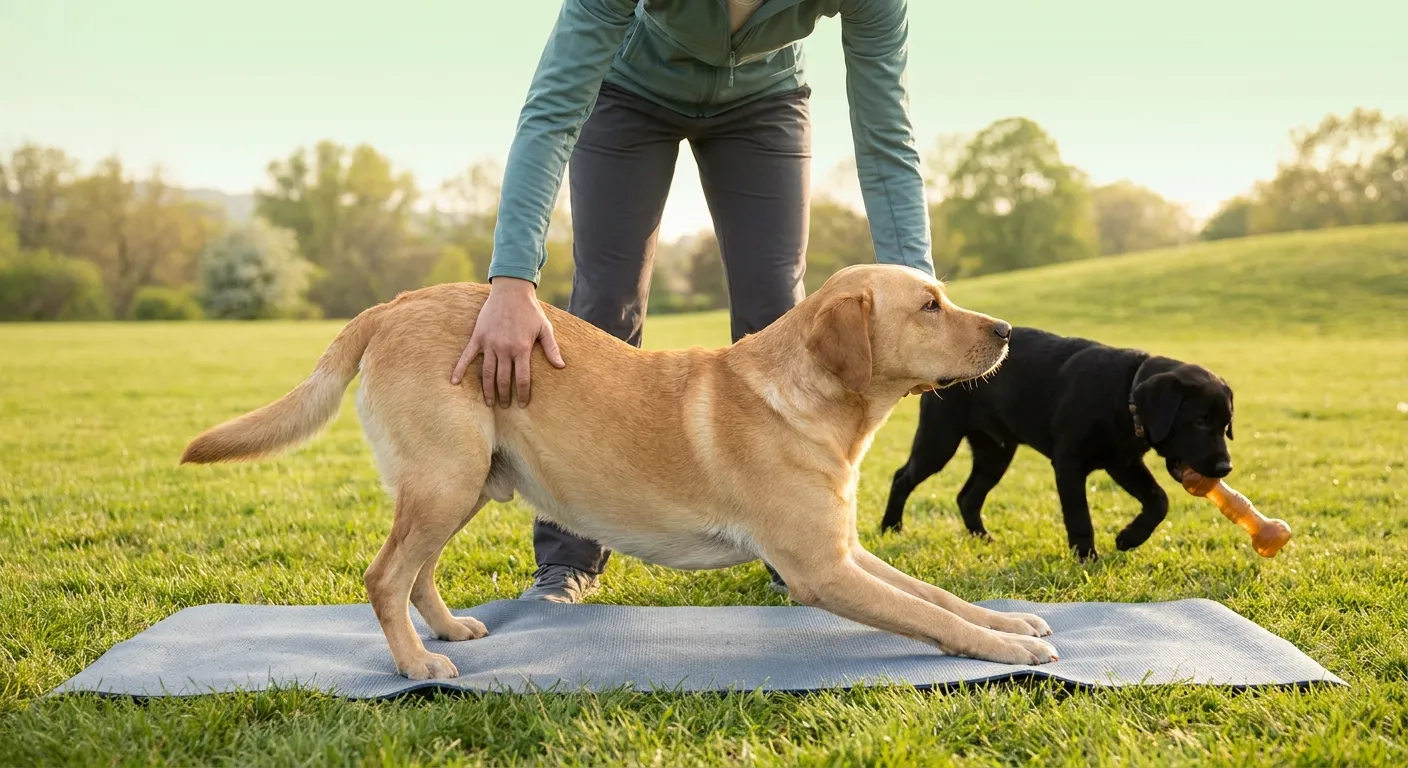
Labrador Retrievers are renowned for their friendly demeanor and active lifestyles, but they are also predisposed to certain breed-specific health concerns. Among the most significant is hip dysplasia, a condition where the hip joint doesn’t form correctly, leading to pain, arthritis, and reduced mobility. Understanding the factors involved and taking proactive steps for preventing hip dysplasia Labradors is crucial for ensuring your companion enjoys a long, comfortable life. This article delves into evidence-based strategies, from nutrition to exercise, to safeguard your Labrador’s joint health.
Understanding Canine Hip Dysplasia in Labradors
Hip dysplasia is a polygenic trait, meaning multiple genes contribute to its inheritance. However, environmental factors play a significant role in its expression. It’s characterized by a loose hip joint, which leads to abnormal wear and tear over time. Symptoms can range from a subtle limp or stiffness, especially after rest, to severe lameness and difficulty standing up. Diagnosis typically involves physical examination and X-rays, often performed under sedation.
The genetic predisposition for hip dysplasia is well-documented in many large breeds, including Labradors. Therefore, responsible breeding practices are foundational in mitigating the risk. Breeders should screen their breeding stock using established protocols like those from the Orthopedic Foundation for Animals (OFA) or PennHIP. Consequently, choosing a puppy from parents with excellent hip scores significantly reduces the likelihood of your Labrador developing this condition. Furthermore, understanding your puppy’s lineage offers valuable insight into their potential joint health.
Nutritional Strategies for Preventing Hip Dysplasia Labradors
Diet plays a pivotal role, especially during the growth phase and throughout adulthood. Proper nutrition can mitigate the risk and severity of hip dysplasia.
- Controlled Puppy Growth: For puppies, selecting a large breed puppy food is essential. These diets are formulated to promote slow, steady growth, preventing rapid weight gain that can overstress developing joints. Avoid high-calorie, general puppy foods.
- Weight Management: Maintaining an ideal body condition score is arguably the most critical factor in preventing the progression of hip dysplasia in Labradors. Excess weight places enormous strain on the hip joints, exacerbating any underlying laxity and accelerating arthritic changes. Regular monitoring of your Labrador’s weight and adjusting food intake accordingly is non-negotiable. For more detailed guidance on feeding your Labrador through all life stages, refer to our article on Tailoring Labrador Nutrition: Meeting Needs from Puppyhood to Seniority.
- Joint Supplements: While not a cure, certain supplements can support joint health. Glucosamine and chondroitin sulfate are popular choices, believed to help maintain cartilage integrity. Omega-3 fatty acids (EPA and DHA) have anti-inflammatory properties that can reduce joint pain. Always consult your veterinarian before starting any supplement regimen to ensure appropriate dosing and suitability.
Moreover, ensuring a balanced diet with appropriate calcium and phosphorus levels is crucial. Imbalances can negatively impact bone development, thereby increasing the risk of joint issues. Specifically, rapid growth spurts due to overfeeding or diets too high in calcium can be detrimental to a puppy’s developing skeleton. Therefore, adhering to feeding guidelines for large breed puppies is paramount.
Exercise and Lifestyle Modifications for Healthy Labrador Joints
The type and intensity of exercise are crucial, particularly for young, growing Labradors. Thoughtful activity planning can significantly contribute to preventing hip dysplasia Labradors.
- Controlled Exercise for Puppies: Avoid high-impact activities like excessive jumping, long runs, or intense agility training before growth plates have closed (typically around 12-18 months). Focus on controlled walks and gentle play on soft surfaces. This approach minimizes stress on immature joints.
- Appropriate Adult Exercise: For adult Labradors, consistent, moderate exercise is beneficial. Swimming is an excellent low-impact option that strengthens muscles supporting the joints without excessive strain. Regular, controlled walks are also good. On the other hand, prolonged, strenuous activities like marathon running or repetitive ball fetching on hard surfaces should be approached with caution, especially if your Labrador shows any signs of discomfort.
- Warm-ups and Cool-downs: Just like human athletes, dogs benefit from warm-up and cool-down periods. A short, gentle walk before more vigorous play helps prepare muscles and joints. Similarly, a cool-down walk allows the body to gradually return to rest.
- Soft Resting Surfaces: Provide soft, orthopedic bedding for your Labrador. Hard surfaces can put undue pressure on joints, especially in older dogs or those with existing joint issues.
Furthermore, early socialization can inadvertently contribute to joint health by promoting calm behavior and reducing stress. A well-socialized puppy is less likely to engage in frantic, uncontrolled movements that could injure developing joints. Consider our guide on Labrador Puppy Socialization: A Crucial Foundation for a Well-Adjusted Dog for more information.
Early Detection and Veterinary Care
Vigilant observation and regular veterinary check-ups are key to managing and preventing the progression of hip dysplasia. Early detection allows for timely intervention, which can significantly improve your Labrador’s quality of life.
- Regular Veterinary Check-ups: Schedule routine visits with your veterinarian. They can monitor your Labrador’s growth, weight, and gait. They might also recommend screening X-rays at appropriate ages, particularly if there’s a family history of hip dysplasia.
- Recognizing Symptoms: Be attentive to subtle signs such as reluctance to exercise, difficulty rising, a bunny-hopping gait, or limping. Any change in your Labrador’s mobility or behavior warrants a veterinary consultation. Prompt action can make a considerable difference in managing the condition.
- Diagnostic Tools: If hip dysplasia is suspected, your veterinarian will likely recommend X-rays. These images provide a clear picture of the hip joint’s structure and can reveal signs of laxity or degenerative changes. Specialized evaluations like PennHIP can assess joint laxity even in young puppies.
- Treatment Options: While there’s no cure for hip dysplasia, various treatment options can manage pain and improve mobility. These include anti-inflammatory medications, physical therapy, and, in severe cases, surgical interventions like total hip replacement.
Indeed, understanding the signs of common health issues is vital for all Labrador owners. For instance, being aware of Recognizing Labrador Dental Disease can also prevent systemic health problems that might indirectly affect overall well-being and mobility.
Genetic Factors and Responsible Breeding Practices
As hip dysplasia has a significant genetic component, responsible breeding is a cornerstone of its prevention. Breeders play a critical role in reducing the incidence of this condition within the Labrador Retriever population.
- Screening Breeding Stock: Reputable breeders utilize established screening programs such as the Orthopedic Foundation for Animals (OFA) or the University of Pennsylvania Hip Improvement Program (PennHIP). These programs evaluate the hip conformation of potential breeding dogs and assign scores or ratings. Breeders should only breed dogs with excellent or good hip scores.
- Understanding Pedigrees: A thorough review of a puppy’s pedigree can provide insight into the hip health of its ancestors. In fact, knowing the hip status of parents, grandparents, and even great-grandparents offers a more comprehensive picture of genetic risk.
- Avoiding Inbreeding: While sometimes used to solidify desirable traits, close inbreeding can also concentrate undesirable genetic predispositions, including those for hip dysplasia. Therefore, genetic diversity is generally beneficial for overall health.
- Puppy Selection: When choosing a Labrador puppy, ask breeders for documentation of hip scores for both parents. A responsible breeder will be transparent and willing to discuss their screening practices. This due diligence is critical for preventing hip dysplasia Labradors from the very start.
The Canine Health Information Center (CHIC), a program supported by the Orthopedic Foundation for Animals (OFA) and the AKC Canine Health Foundation, also provides a centralized health database for responsible breeders. It recommends specific health screenings for each breed. For Labradors, hip and elbow evaluations are among the recommended tests. More information on canine health can be found on the Orthopedic Foundation for Animals website.
Environmental Influences and Supportive Care
Beyond genetics and early growth, ongoing environmental management and supportive care are crucial throughout a Labrador’s life to maintain joint health and minimize the impact of any underlying hip laxity.
- Temperature Control: Cold, damp environments can exacerbate joint stiffness and pain in dogs prone to or suffering from hip dysplasia. Providing a warm, dry resting place is beneficial. Similarly, ensuring your Labrador doesn’t get chilled after swimming is important.
- Physical Therapy and Rehabilitation: For dogs diagnosed with hip dysplasia, physical therapy can be immensely helpful. This might include hydrotherapy (underwater treadmill), therapeutic exercises, massage, and laser therapy. These interventions strengthen supporting muscles, improve range of motion, and reduce pain.
- Environmental Modifications: Consider modifications around your home to make life easier for your Labrador. For example, ramps can help dogs avoid jumping into cars or onto furniture. Non-slip mats on slick floors can prevent slips and falls that could injure joints.
- Regular Grooming: While seemingly unrelated, maintaining good overall health through practices like Essential Labrador Coat Care can contribute to comfort and mobility. A well-groomed dog is more likely to be active and less prone to skin issues that could distract from joint pain.
- Pain Management: For dogs experiencing pain from hip dysplasia, your veterinarian may prescribe non-steroidal anti-inflammatory drugs (NSAIDs) or other pain relievers. Always administer medications under veterinary guidance. Alternative therapies, such as acupuncture, may also be considered.
Understanding these comprehensive strategies is crucial for every Labrador owner. Early intervention and consistent care are vital for ensuring your beloved companion lives a comfortable and active life. The American Veterinary Medical Association provides further resources on canine hip dysplasia, offering additional insights into its diagnosis and management.
Conclusion
Preventing hip dysplasia Labradors requires a multi-faceted approach, integrating responsible breeding, precise nutritional management, appropriate exercise, and vigilant veterinary care. While genetics play a significant role, environmental factors can greatly influence the expression and severity of the condition. By understanding these elements and proactively implementing preventive strategies, Labrador owners can significantly enhance their dog’s joint health and overall well-being. Prioritizing slow, controlled growth in puppies, maintaining an ideal weight throughout life, and engaging in suitable exercise are paramount. Regular veterinary check-ups for early detection and intervention are equally important. Ultimately, dedication to these practices will help ensure your Labrador enjoys a long, active, and comfortable life, free from the debilitating effects of hip dysplasia.
FAQ Section
What is hip dysplasia in Labrador Retrievers?
Hip dysplasia is a genetic condition where the hip joint doesn’t form correctly, leading to looseness and abnormal wear. This can cause pain, arthritis, and reduced mobility in Labradors.
How important is diet for preventing hip problems in Labradors?
Diet is extremely important, especially during puppyhood. Feeding a large breed puppy food that promotes slow, steady growth helps prevent rapid weight gain that can stress developing joints. Maintaining an ideal adult weight is also crucial for preventing hip joint issues.
What kind of exercise is best for a Labrador puppy to avoid hip issues?
For Labrador puppies, controlled exercise like short, gentle walks and play on soft surfaces is best. High-impact activities such as excessive jumping or long runs should be avoided until growth plates have closed, typically around 12-18 months of age.
Can joint supplements truly help with canine hip health?
While not a cure, joint supplements like glucosamine, chondroitin sulfate, and omega-3 fatty acids can support cartilage health and reduce inflammation. Always consult your veterinarian before starting any supplement regimen to ensure it’s appropriate for your dog.
What role do breeders play in reducing the risk of hip dysplasia in Labradors?
Responsible breeders are critical. They screen their breeding stock using programs like OFA or PennHIP to ensure parents have good hip scores, significantly reducing the genetic predisposition for hip joint problems in their puppies. Always ask for health clearances when choosing a puppy.