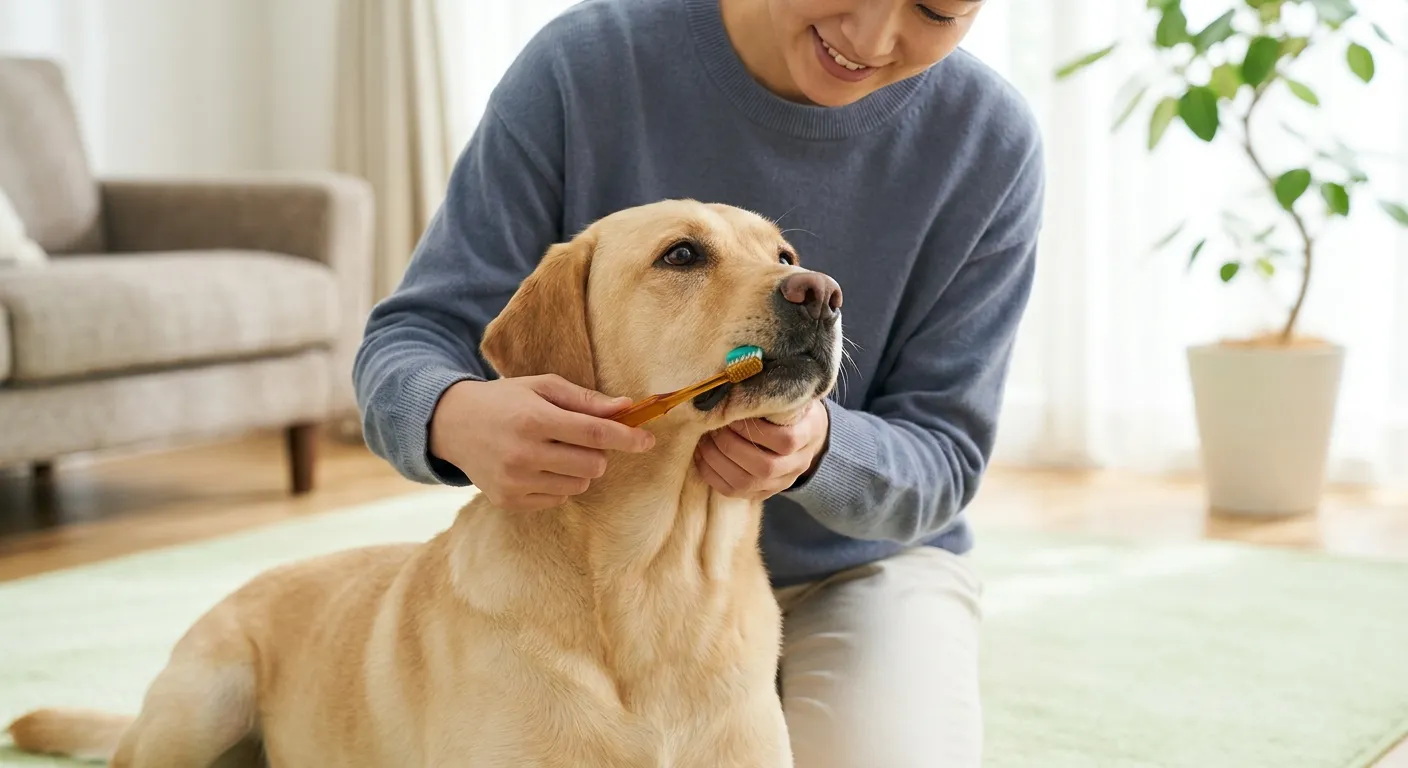
Maintaining good Labrador dental care is crucial for your dog’s overall well-being and can prevent serious health issues. Just like humans, Labradors can suffer from plaque buildup, tartar, gum disease, and even tooth loss if their oral hygiene is neglected. These problems aren’t just uncomfortable; moreover, they can lead to more severe systemic infections affecting the heart, kidneys, and liver. Proactive dental care is a cornerstone of preventive health for your beloved Labrador.
The Importance of Regular Canine Oral Health
Many owners overlook dental health until a problem becomes obvious, often accompanied by bad breath (halitosis). However, by then, significant dental disease may already be present. Regular dental check-ups with your veterinarian are vital, as they can identify issues early, recommend professional cleanings, and provide guidance tailored to your dog’s specific needs. Professional dental cleanings under anesthesia allow for a thorough examination below the gumline and removal of plaque and tartar that at-home brushing can’t reach. Establishing a routine for your Labrador’s oral hygiene from a young age can make a significant difference in their long-term health and comfort.
Ignoring your Labrador’s oral health can have profound consequences. For instance, untreated dental issues can lead to chronic pain, making eating difficult and impacting their quality of life. Furthermore, bacteria from dental infections can enter the bloodstream, traveling to major organs. This can contribute to serious conditions, including heart disease. Therefore, understanding the potential risks underscores the importance of consistent preventive measures. Early detection, consequently, is key to mitigating these advanced problems. You can learn more about recognizing signs of trouble on our page about Recognizing Labrador Dental Disease: Early Detection Saves Smiles and Health.
Practical Steps for At-Home Labrador Dental Care
Beyond professional cleanings, daily home care is paramount. The most effective method is brushing your Labrador’s teeth. Start slowly and make it a positive experience, using dog-specific toothpaste (never human toothpaste). Aim for daily brushing, or at least several times a week. Dental chews and water additives can be supplementary tools, but they are not substitutes for brushing. Choose dental products approved by veterinary organizations to ensure their efficacy and safety. Regularly inspecting your Lab’s mouth for red gums, broken teeth, or unusual growths can also help you catch potential problems early.
To begin brushing, introduce the toothbrush and paste gradually. Allow your Labrador to lick the toothpaste from your finger first, associating it with a treat. Then, gently introduce the brush, focusing on the outer surfaces of the teeth initially. Most importantly, make each session brief and positive. Over time, your Labrador will become more accustomed to the routine. Consistency is more important than perfection in the beginning stages. Consider consulting your veterinarian for demonstrations and tips on proper brushing techniques.
Choosing the Right Dental Products
Selecting appropriate dental products is crucial for effective home care. Look for toothbrushes designed for dogs, often with softer bristles or an angled head to reach all areas. Canine toothpastes come in various flavors that dogs find appealing, such as poultry or beef. These toothpastes are formulated to be safe for ingestion, unlike human toothpastes which contain fluoride and other ingredients harmful to pets. For example, the Veterinary Oral Health Council (VOHC) seal of acceptance indicates products that meet specific standards for plaque and tartar control. Always prioritize VOHC-approved products for your Labrador’s oral health regimen.
While brushing remains the gold standard, supplementary dental products can offer additional benefits. Dental chews, for instance, can help scrape away plaque and stimulate gums. However, choose chews appropriate for your Labrador’s size and chewing style to prevent choking or tooth damage. Water additives contain ingredients that help reduce bacteria in the mouth, but they are not a replacement for mechanical cleaning. Similarly, some specially formulated dental diets feature kibble designed to scrub teeth as your dog eats. Consult your veterinarian about integrating these products into your comprehensive Labrador dental care plan.
Understanding Professional Dental Cleanings
Professional dental cleanings performed by a veterinarian are a cornerstone of comprehensive oral health for your Labrador. These procedures are typically conducted under general anesthesia, which allows for a thorough and pain-free examination. During the cleaning, the vet removes plaque and tartar both above and below the gumline, using specialized ultrasonic and hand scaling instruments. This deep cleaning is impossible to achieve with at-home methods and is critical for preventing advanced periodontal disease. Moreover, anesthesia ensures your dog remains still, preventing stress and injury.
A professional cleaning involves more than just scaling. The veterinarian will also polish the teeth to smooth the enamel, making it harder for plaque to adhere in the future. Furthermore, a full oral examination includes probing for gum pockets, checking for loose or fractured teeth, and taking dental X-rays. X-rays are invaluable for assessing the health of the tooth roots and jawbone, revealing issues that are not visible to the naked eye. This comprehensive approach helps detect and address problems early, preventing more serious and painful conditions. Consequently, regular professional cleanings are an essential part of maintaining excellent Labrador dental care.
Recognizing Signs of Dental Problems
As a responsible Labrador owner, being aware of the signs of dental problems is vital. Bad breath, often referred to as halitosis, is one of the earliest and most common indicators. While some doggy breath is normal, a strong, foul odor usually signals bacterial overgrowth and potential infection. Other signs include red, swollen, or bleeding gums, which suggest gingivitis or periodontal disease. You might also notice difficulty eating, pawing at the mouth, excessive drooling, or a reluctance to chew on toys. Moreover, visible tartar buildup (a brownish-yellow crust on the teeth) or missing/broken teeth are clear indicators that your Labrador needs veterinary attention. You can find more detailed information on our dedicated page about Recognizing Labrador Dental Disease: Early Detection Saves Smiles and Health.
Changes in your Labrador’s behavior can also hint at oral discomfort. For instance, a normally playful dog might become withdrawn or irritable due to pain. They might also show a preference for softer foods or chew only on one side of their mouth. Weight loss can occur if eating becomes too painful. Any of these symptoms warrant a visit to your veterinarian for a thorough oral examination. Early intervention, therefore, can prevent the progression of dental disease and alleviate your Labrador’s discomfort. Understanding these signs empowers you to act quickly and protect your pet’s health.
The Link Between Oral Health and Overall Well-being
The connection between your Labrador’s oral health and their overall systemic health is profound and well-documented. Dental diseases, particularly periodontal disease, are not isolated to the mouth. The bacteria present in infected gums can easily enter the bloodstream. Once in the bloodstream, these bacteria can travel to distant organs, potentially causing serious complications. For example, studies have shown a clear link between advanced periodontal disease and conditions affecting the heart, kidneys, and liver. Therefore, maintaining good oral hygiene is a critical component of preventive care, safeguarding more than just their smile.
Chronic inflammation associated with gum disease can also put a strain on your Labrador’s immune system. This persistent inflammation can contribute to other health issues and may exacerbate existing conditions. Furthermore, pain from dental problems can affect your dog’s appetite, leading to nutritional deficiencies and weight loss. Untreated dental pain also diminishes their quality of life, making them less active and joyful. Consequently, prioritizing proactive Labrador dental care is an investment in their long-term vitality and happiness. For more insights into comprehensive health, consider reading about Safeguarding Labrador Heart Health: Prevention & Awareness.
Preventive Strategies for Optimal Oral Health
Implementing a multi-faceted approach to preventive oral health is key to ensuring your Labrador enjoys a healthy mouth throughout their life. This strategy includes a combination of professional veterinary care and consistent at-home efforts. Firstly, regular annual (or even bi-annual for older dogs) veterinary check-ups should always include an oral examination. Your vet can assess gum health, identify early signs of disease, and recommend professional cleanings when necessary. Secondly, daily tooth brushing with dog-specific toothpaste is the most effective at-home method to remove plaque before it hardens into tartar. Consistency in brushing, furthermore, is paramount for success.
In addition to brushing and professional cleanings, consider incorporating dental-friendly toys and treats into your Labrador’s routine. Look for toys designed to promote chewing and help clean teeth, but always supervise their use to prevent choking or tooth damage. Similarly, certain dental diets can aid in plaque control, as mentioned earlier. Providing fresh water daily also helps rinse away food particles. By combining these strategies, you create a robust defense against dental disease. Ultimately, a proactive stance on Labrador dental care will lead to a healthier, happier companion. For nutritional guidance, you can refer to Tailoring Labrador Nutrition: Meeting Needs from Puppyhood to Seniority.
The Role of Diet in Dental Health
The food your Labrador eats plays a significant, though often underestimated, role in their dental health. While kibble is often thought to help clean teeth, not all dry foods are created equal in this regard. Some premium dental diets are specifically formulated with larger, fibrous kibble that mechanically scrubs the tooth surface as your dog chews. These diets can help reduce plaque and tartar buildup. Conversely, diets high in sugar or sticky carbohydrates can contribute to plaque formation, providing a feast for oral bacteria. Therefore, choosing a high-quality, balanced diet is a foundational step in preventive oral care for your Labrador.
Consider also the frequency of treats and table scraps. While an occasional treat is fine, frequent sugary or starchy snacks can negatively impact dental health. Opt for dental-specific treats that are designed to help clean teeth or plain, safe vegetables like carrots or apple slices (without seeds) as healthy alternatives. Always ensure any treats or food items are appropriate for your Labrador’s size and chewing habits to prevent choking or tooth fractures. For instance, excessively hard chews can damage teeth. A thoughtful approach to your Labrador’s diet, consequently, supports not only their general health but also their oral well-being. The American Veterinary Medical Association provides further information on pet dental health, which can be found at AVMA Pet Dental Care. Additionally, the Veterinary Oral Health Council offers a list of accepted products at VOHC Accepted Products.
Conclusion: Prioritizing Your Labrador’s Oral Health
Prioritizing your Labrador’s dental health is an investment in their overall quality of life. By combining regular veterinary check-ups with consistent at-home care, you can help ensure your Lab enjoys a healthy mouth, fresh breath, and a reduced risk of serious health complications for years to come. Remember, preventive care is always more effective and less costly than treating advanced dental disease. Establishing good habits early on, moreover, sets your Labrador up for a lifetime of comfortable chewing and a radiant smile. Your proactive approach to Labrador dental care is truly one of the greatest gifts you can give your beloved companion.
FAQ: Common Questions About Labrador Oral Hygiene
What are the first signs of dental problems in Labradors?
The first signs often include bad breath, red or swollen gums, and visible tartar buildup on teeth. You might also notice changes in eating habits, such as difficulty chewing or favoring one side of the mouth. Drooling or pawing at the mouth can also indicate discomfort.
How often should I brush my Labrador’s teeth?
Ideally, you should aim to brush your Labrador’s teeth daily. If daily brushing isn’t feasible, brushing several times a week can still provide significant benefits. Consistency is key to preventing plaque and tartar accumulation.
Are dental chews effective for canine oral health?
Dental chews can be a helpful supplement to brushing, as they can mechanically help scrape away plaque. However, they are not a substitute for regular brushing and professional cleanings. Always choose VOHC-approved chews appropriate for your dog’s size and supervise their use.
When should my Labrador have their first professional teeth cleaning?
Most veterinarians recommend the first professional dental cleaning when signs of plaque and tartar buildup become evident, often around 2-3 years of age, or earlier if your dog is predisposed to dental issues. Your vet will assess their needs during routine check-ups.
Can diet impact my Labrador’s oral health?
Yes, diet plays a significant role. Specific dental diets with larger, textured kibble can help clean teeth as your dog eats. Conversely, diets high in sugar or sticky carbohydrates can contribute to plaque formation. Choosing appropriate treats and avoiding harmful table scraps is also important for maintaining good oral hygiene.