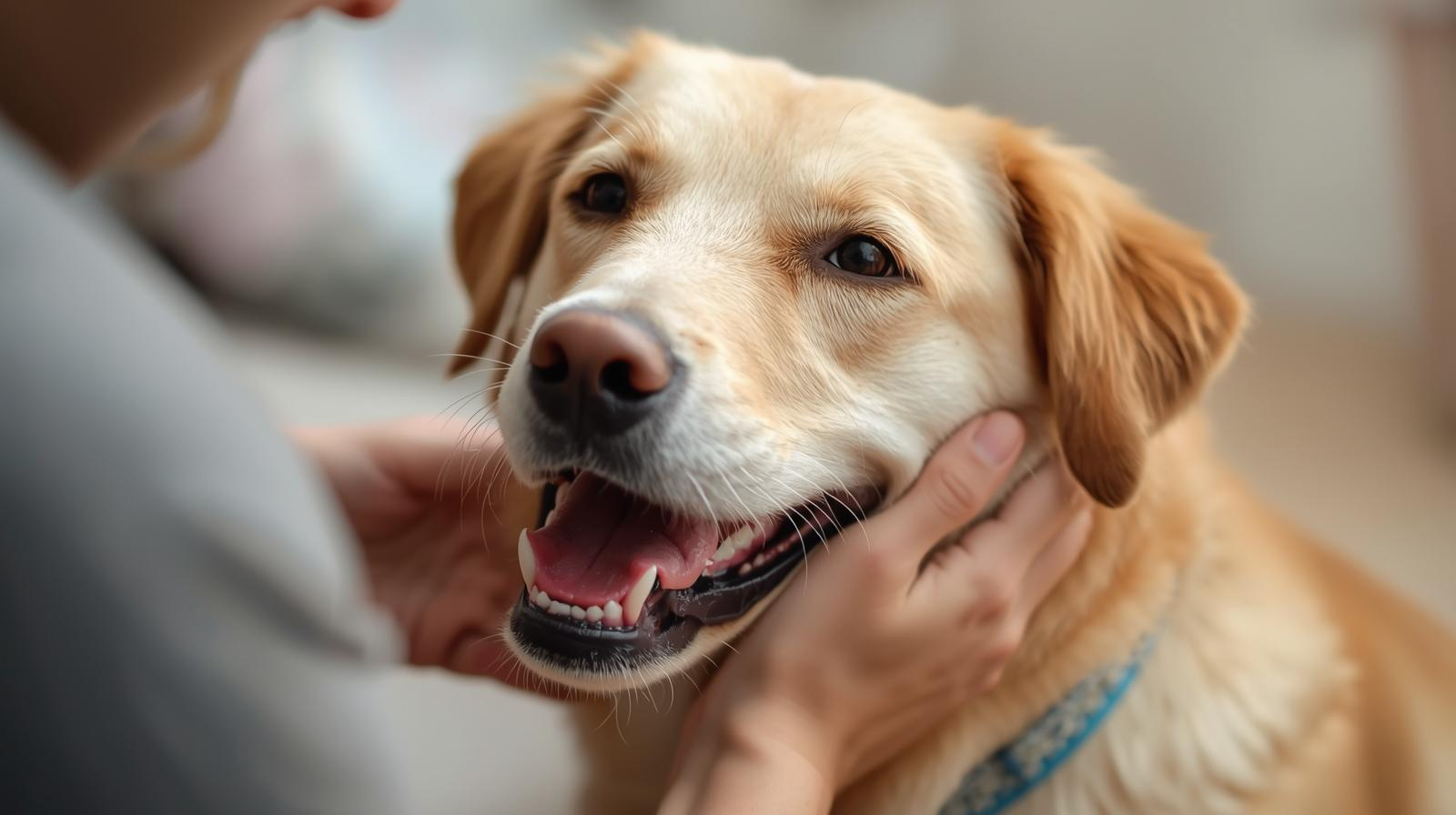
Labradors are famous for their friendly nature, wagging tails, and soulful eyes that seem to say, “I just want to make you happy.” But even the most loving Lab needs guidance, patience, and consistency to thrive. The best part? You don’t need harsh commands or dominance to train them. Instead, building trust with your Labrador through gentle training creates a lifelong bond that transforms obedience into partnership.
If you’ve ever wondered why your Lab doesn’t always listen or seems anxious during training, the answer might be simple: trust. Without it, learning feels forced. With it, training becomes natural—and joyful for both of you.
Why Trust Is the Core of Labrador Training
Imagine trying to learn from someone who yells every time you make a mistake. You’d probably tense up, hesitate, and stop enjoying the process altogether. Labradors feel the same way. Trust is the emotional glue that holds training together. When your dog trusts you, they’re more eager to follow your lead, try new things, and bounce back after mistakes.
Labradors are sensitive, people-oriented dogs who thrive on positive interaction. They respond best to encouragement rather than intimidation. Gentle training doesn’t mean permissive—it means teaching with respect and understanding. The goal isn’t control; it’s cooperation.
When trust comes first, obedience follows naturally. Your Labrador learns that you’re safe, consistent, and worth listening to. That kind of bond lasts a lifetime.
Start with Clear, Calm Communication
Communication builds confidence. Your Labrador watches your tone, body language, and facial expressions more than you realize. Gentle training begins with clarity—saying less, showing more, and staying calm.
Start by using short, consistent commands. For example, “Sit,” “Stay,” and “Come” should always sound the same. Changing your tone or phrasing confuses your dog. Labradors thrive on predictability because it helps them understand expectations.
Eye contact also matters. A soft gaze builds connection, while intense staring can feel threatening. When giving commands, use a friendly tone and relaxed posture. Your dog should see you as a guide, not a drill sergeant.
When your Labrador responds correctly, reward them immediately. Positive reinforcement helps your dog link good behavior with good outcomes—something every Labrador loves.
Positive Reinforcement: The Key to Gentle Training
Labradors are motivated by praise, treats, and play. They want to please you, but they also need to understand what earns your approval. That’s where positive reinforcement shines.
Instead of punishing mistakes, reward progress. When your Lab sits, stays, or comes when called, immediately offer something they value—like a small treat, an enthusiastic “Good boy!”, or a quick game of fetch. Rewards strengthen the behavior you want without creating fear or confusion.
Consistency is vital here. If you sometimes reward and sometimes don’t, your Labrador might get mixed signals. Dogs learn faster when rewards are predictable and immediate.
Over time, you can replace treats with verbal praise or affection once the behavior is consistent. Labradors quickly learn that listening to you leads to good things—trust deepens, and training becomes effortless.
Patience: The Secret Ingredient
Trust doesn’t form overnight. Just like people, Labradors need time to understand that your intentions are kind and your actions reliable. Patience is your greatest tool.
If your Labrador struggles to grasp a command, take a step back instead of getting frustrated. Ask yourself: Is the environment too distracting? Is the task too hard right now? Simplify it. Success in small steps builds confidence.
A great rule of thumb: always end training sessions on a positive note. Even if progress feels slow, celebrate the little victories. When your Lab finishes happy, they’ll be eager for the next lesson. Gentle training is about steady growth, not perfection.
Respecting Your Labrador’s Boundaries
Every dog, even one as social as a Labrador, has personal boundaries. Respecting those boundaries helps your dog feel secure. For example, some Labradors dislike being hugged tightly or having their paws touched unexpectedly. Learn their comfort zones and read their body language.
A tucked tail, lowered ears, or avoiding eye contact signals discomfort. Instead of pushing, pause and give space. When your Labrador sees that you respect their cues, they’ll begin to trust you more deeply.
Building trust through gentle training also means avoiding physical punishment or intimidation. Yelling or striking a dog only erodes confidence and makes them fearful. Fear-based training may produce short-term obedience, but it destroys the emotional bond that true training depends on.
Playtime as a Training Tool
Play is one of the most powerful trust builders. Labradors are playful by nature—using that instinct strengthens your bond while reinforcing obedience. Tug-of-war, fetch, or hide-and-seek can all double as training opportunities.
During play, you can practice recall (“Come!”), impulse control (“Wait!”), and cooperation (“Drop it”). Because your dog is engaged and happy, they’re more receptive to learning. Training through play also helps release excess energy, reducing unwanted behaviors like jumping or chewing.
Even better, play creates shared joy. Every time your Lab sees you as the source of fun and safety, trust deepens. Training stops feeling like work—it becomes an extension of your relationship.
Consistency Builds Confidence
Labradors crave consistency. They feel most secure when they know what to expect. If rules change or commands vary, confusion follows—and trust breaks down.
Set routines for meals, walks, and playtime. Use the same cues for each command. Make sure all family members follow the same approach to avoid mixed messages. When your Labrador can rely on you to be predictable, they relax—and a relaxed mind learns faster.
Gentle training thrives on repetition, not rigidity. You’re not trying to control your dog’s every move—you’re building patterns of mutual understanding. Each successful interaction adds another layer of trust.
Creating Safe Spaces and Comfort Zones
A key part of building trust with your Labrador is giving them a space where they can feel secure. Whether it’s a cozy bed in a quiet corner or a crate used as a retreat (never a punishment), these zones provide comfort when your dog feels overwhelmed.
Introduce new people, pets, or environments gradually. Labradors are social, but sudden changes can cause stress. By letting them approach new experiences at their own pace, you teach them that you’re a steady presence—someone they can depend on when the world feels uncertain.
The Emotional Payoff of Gentle Training
When you train your Labrador with kindness, something beautiful happens—you become a team. Your dog learns that listening to you brings safety, praise, and connection. You, in turn, gain a companion who trusts you completely.
This emotional bond changes everything. Walks become smoother, commands more reliable, and your Lab’s tail wags faster at the sound of your voice. Training isn’t just about obedience—it’s about building a language of love and respect that lasts a lifetime.
Conclusion
Building trust with your Labrador through gentle training isn’t just about teaching commands—it’s about deepening your bond. By communicating clearly, rewarding good behavior, and respecting boundaries, you create a partnership based on understanding, not fear.
Gentle training turns obedience into connection. When your Labrador knows you’re kind, consistent, and patient, they’ll do more than follow—they’ll trust, love, and thrive by your side.
FAQ
1. How long does it take to build trust with a Labrador?
It depends on your dog’s history and personality. Most Labradors build strong trust within a few weeks of consistent, positive interaction.
2. Can gentle training work for stubborn Labradors?
Yes. Labradors respond best to motivation and reward. Gentle training helps them focus and learn without stress.
3. What’s the best way to correct bad behavior gently?
Redirect rather than punish. For example, replace chewing on shoes with a toy and praise the correct behavior.
4. Should I use treats for every command?
At first, yes. Gradually phase out treats as your Labrador masters each command, replacing them with praise or play.
5. How can I tell if my Labrador trusts me?
A trusting Lab follows you willingly, maintains eye contact, relaxes around you, and seeks your comfort during stress.