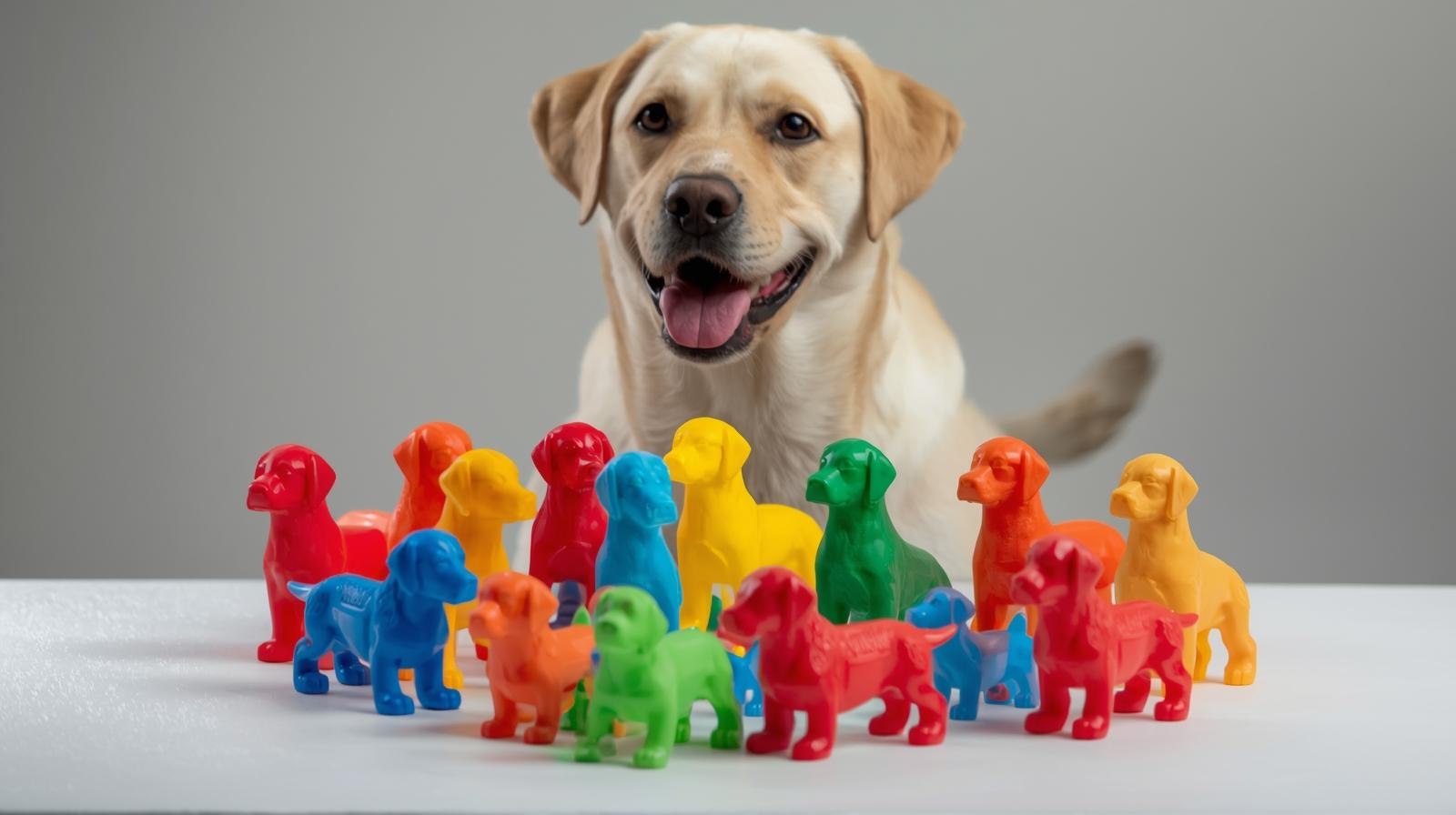
If your Labrador is anything like most, they probably have a small mountain of toys—some squeaky, some shredded, some buried in the backyard. But what happens when those beloved plastic toys reach the end of their life? Many dog owners simply toss them in the trash, not realizing that most plastic toys can actually be recycled or repurposed.
Learning how to recycle plastic Labrador toys the right way isn’t just good for the environment—it’s a way to make your dog’s love for play more sustainable. Let’s explore how to responsibly handle old toys, reduce waste, and keep tails wagging without adding to the planet’s plastic problem.
The Plastic Problem in Dog Toys
Plastic is everywhere in the pet industry. From chew bones to squeaky ducks, plastic toys are durable, colorful, and inexpensive—qualities that make them attractive to both owners and manufacturers. But there’s a downside: most of these toys end up in landfills or oceans, taking hundreds of years to decompose.
When Labradors chew and destroy these toys, small plastic bits can break off, posing choking hazards or being swallowed. Even worse, microplastics from discarded toys can contaminate soil and waterways, harming wildlife.
The issue isn’t that our dogs love toys—it’s that the disposal habits around them aren’t sustainable. By understanding how to recycle and reuse properly, you can make a difference without sacrificing your Labrador’s playtime.
Can Plastic Labrador Toys Be Recycled?
Yes—but it depends on the type of plastic. Not all toys are created equal, and some are easier to recycle than others.
Many dog toys are made from mixed materials like rubber, nylon, and polyester, which can’t be separated easily. However, hard plastic toys labeled with recycling codes like #1 (PET), #2 (HDPE), or #5 (PP) are usually recyclable through municipal programs.
Unfortunately, toys with metal parts, squeakers, or fabric coverings complicate the process. These components must be removed before recycling. Always check local recycling rules to confirm whether your area accepts these plastics.
If in doubt, contact your local waste facility or use a specialized recycling program designed for pet products.
How to Recycle Plastic Labrador Toys Step-by-Step
Recycling doesn’t have to be complicated. With a few simple steps, you can make sure your Labrador’s old toys are disposed of responsibly.
1. Inspect the Toy
Before tossing it into the recycling bin, check the toy’s material. Look for the recycling triangle symbol and note the number inside. If there’s no label, try identifying the texture—hard, glossy plastics are often recyclable, while soft or mixed ones may not be.
2. Clean Thoroughly
Rinse off any dirt, slobber, or leftover treats. Recycling centers reject contaminated items, so make sure the toy is clean and dry. Use mild soap and water if necessary.
3. Remove Non-Plastic Parts
Take out squeakers, metal rings, fabric ropes, or rubber inserts. These mixed materials can interfere with recycling machinery. You can repurpose or dispose of those parts separately.
4. Check Your Local Recycling Program
Not every recycling facility accepts all types of plastics. Visit your city’s recycling website or call to confirm whether pet toys are accepted. Some areas even have drop-off points for hard plastics.
5. Use Specialized Recycling Programs
If your local facility doesn’t take them, don’t give up. Some eco-friendly companies run take-back programs for pet products. Brands like West Paw and TerraCycle collect used toys and recycle them into new ones.
By following these steps, you’re giving your dog’s old toys a second life while helping reduce plastic waste in your community.
Alternatives to Throwing Away Old Toys
If recycling isn’t an option, there are plenty of creative and responsible alternatives. Instead of sending old toys to the landfill, you can repurpose or donate them in ways that still bring joy to dogs—or help the environment.
1. Donate Usable Toys
If a toy is still intact and clean, consider donating it to local animal shelters, rescue organizations, or dog daycares. Many shelters welcome used toys to keep their dogs entertained. Just make sure they’re safe and sanitized.
2. Upcycle into New Toys
Turn old toys into something new! For example:
- Cut the ends off old ropes and braid them into new tug toys.
- Use plastic balls as treat-dispensing puzzles.
- Fill a clean bottle toy with rice or kibble to create a DIY rattle.
Your Labrador will love the novelty, and you’ll reduce waste creatively.
3. Repurpose as Household Tools
Some dog toys can serve surprising second purposes. Use sturdy plastic bones as doorstoppers or chew-proof plant stakes. Rope toys can double as cleaning tools for car tires or outdoor equipment.
4. Compost Biodegradable Toys
If a toy is made from compostable or plant-based materials, you can compost it at home. Always check the label first—true biodegradable products will state they’re safe for composting.
Sustainable Toy Brands to Support
If you’re committed to reducing your Labrador’s plastic waste, supporting eco-conscious brands is the best place to start. These companies design toys that last longer, use recycled materials, or can be recycled again after use.
1. West Paw
West Paw’s Zogoflex® toys are made from 100% recyclable materials and can be sent back through their “Join the Loop” recycling program. They’ll melt down the old toys and turn them into new ones—a true closed-loop system.
2. Beco Pets
Beco Pets focuses on sustainability using natural rubber, rice husk plastic, and recycled polyester. Their packaging is compostable, and many of their toys are biodegradable.
3. Planet Dog
Their Orbee-Tuff® line is made from non-toxic, recyclable materials that can handle heavy chewers like Labradors. These toys are also FDA-approved and designed for durability.
4. Honest Pet Products
This brand uses organic hemp and wool, creating biodegradable toys with zero plastic. Perfect for eco-conscious owners who want to skip plastic entirely.
5. Wild One
Wild One’s toys are stylish, durable, and made with natural rubber. They prioritize eco-friendly materials and recyclable packaging, combining function and sustainability.
When you buy from brands like these, you’re not just getting high-quality toys—you’re supporting a circular economy that minimizes plastic waste.
The Importance of Durable and Eco-Friendly Toys
One of the best ways to reduce waste is to buy toys that last. Labradors are powerful chewers, and cheap plastic toys rarely survive long. Investing in durable, eco-friendly toys may cost more upfront, but they save money and reduce waste over time.
Durable toys mean fewer replacements, less landfill waste, and a happier dog who gets more playtime out of each toy. Look for products labeled as “recyclable,” “non-toxic,” or “eco-conscious,” and choose thicker, tougher materials like natural rubber or recycled nylon.
Additionally, rotating toys can extend their lifespan. Keep a few in storage and swap them out weekly. This keeps your Labrador interested and gives toys time to dry and rest between play sessions.
Creative Ways to Educate and Involve Others
Recycling doesn’t have to be a solo effort. Getting your local dog community involved can have a ripple effect that benefits the environment.
- Host a toy swap: Invite friends or neighbors with dogs to exchange gently used toys. It reduces waste and gives each dog something new to enjoy.
- Start a collection drive: Organize a community event to collect old toys for recycling programs like TerraCycle.
- Educate others online: Share your recycling journey on social media. Post before-and-after pictures of upcycled toys or sustainable swaps—it inspires other pet owners to follow your lead.
Labrador owners are known for their enthusiasm and sense of community. By spreading awareness, you can help make sustainable pet care the new normal.
Why Recycling Plastic Toys Matters
Every small action adds up. Dogs may not understand the concept of waste, but as their humans, we’re responsible for the environmental footprint that comes with their happiness.
The pet industry contributes significantly to global plastic waste—billions of tons every year. By learning how to recycle plastic Labrador toys correctly, you help reduce pollution, save energy, and conserve resources.
More importantly, you set an example. Whether it’s choosing recyclable toys, upcycling old ones, or supporting eco-friendly brands, each decision moves us closer to a cleaner, healthier planet.
Your Labrador gets joy from playtime, but thanks to your choices, future generations of dogs can enjoy a planet that’s greener, too.
Conclusion
Recycling plastic Labrador toys the right way is more than just a green choice—it’s a compassionate one. By reusing, donating, or recycling old toys, you’re cutting down on waste and creating a cleaner world for your dog and others.
Start small: clean and sort your dog’s old toys, check recycling options, and support brands that value sustainability. Every wag, every toss, and every game of fetch can make a difference when you play responsibly.
Because being a great dog owner doesn’t just mean loving your Labrador—it means loving the world they play in.
FAQ
1. Can all plastic Labrador toys be recycled?
Not all. Only toys made from single-type plastics like #1, #2, or #5 are usually recyclable. Check the label or local guidelines.
2. What should I do if my local recycling center doesn’t accept pet toys?
Use take-back programs from eco-friendly brands like West Paw or TerraCycle, which specialize in recycling used pet products.
3. How can I tell if a toy is recyclable?
Look for the recycling symbol with a number. Hard plastics often have a triangle label, while soft mixed materials do not.
4. Are biodegradable dog toys better for the environment?
Yes. Biodegradable toys made from natural rubber, hemp, or wool decompose faster and leave no harmful residues.
5. What’s the best way to prevent toy waste in the first place?
Buy durable, eco-friendly toys and rotate them regularly. Repair or repurpose broken toys before disposing of them.