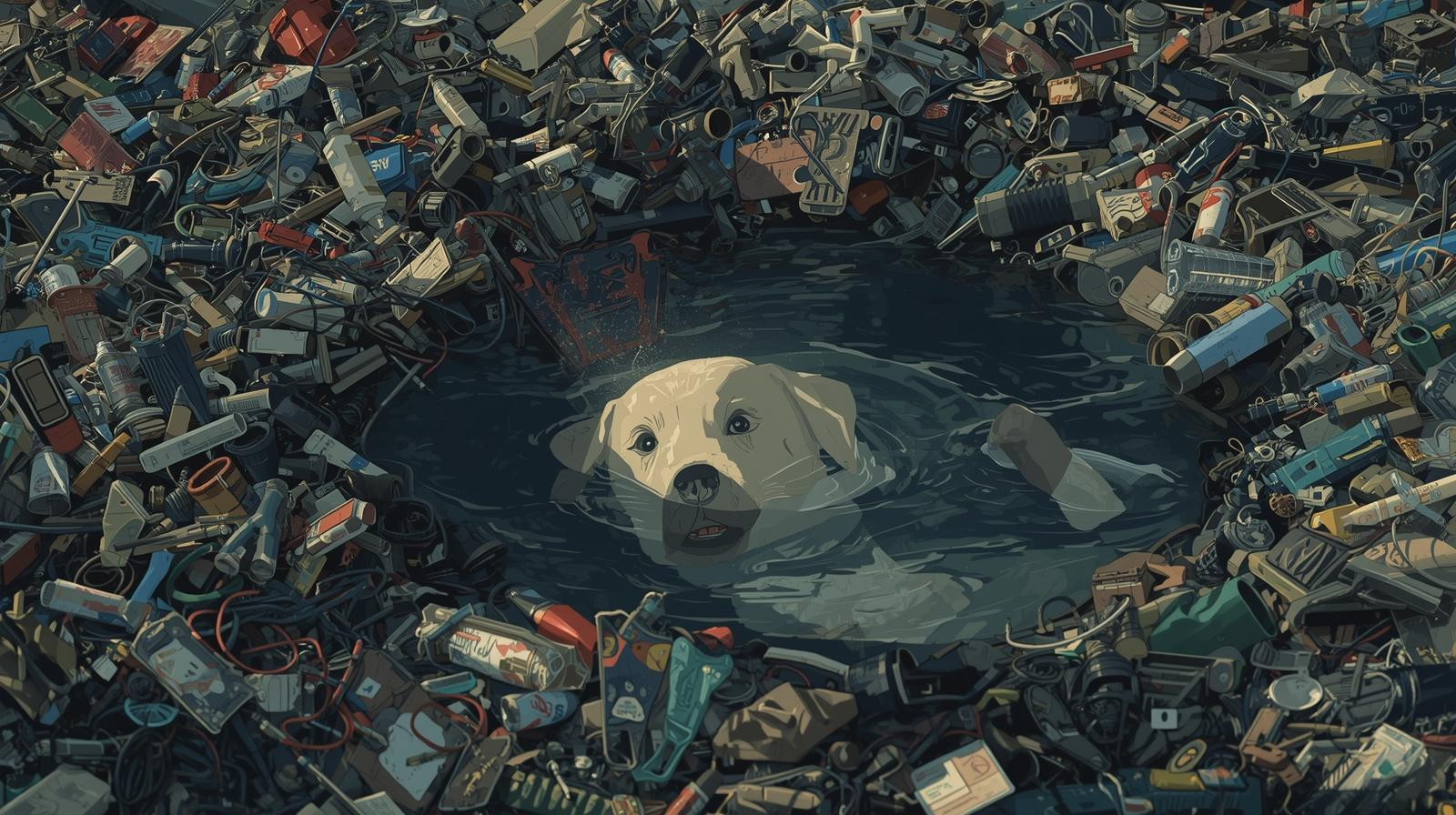
Every Labrador owner knows the joy of watching their dog tear into a new toy—tail wagging, eyes sparkling, pure excitement radiating from every ounce of their body. But behind that moment of happiness lies a truth that most pet owners never think about: the environmental cost of plastic Labrador toys.
It’s easy to assume dog toys are too small to make a difference in the global plastic problem. After all, how much harm could one squeaky bone or rope ball cause? The reality is much larger. The pet industry produces millions of plastic toys each year, and most end up in landfills or oceans. Once there, they linger for centuries, breaking into microplastics that contaminate ecosystems—and even find their way back into our water and food.
So, before you toss another broken chew toy into the trash, let’s uncover the hidden costs behind these everyday playthings and what you can do to make a positive change.
Why Plastic Labrador Toys Are So Popular
It’s not hard to see why plastic dominates the pet toy market. Plastic toys are cheap to make, colorful, and incredibly durable—at least on the surface. They come in every shape imaginable: balls, bones, squeakers, tug rings, and puzzle feeders.
For Labrador owners, that durability feels essential. These dogs are enthusiastic chewers with strong jaws. Many pet parents naturally reach for plastic toys that claim to be “indestructible.” Unfortunately, that toughness comes with a long-lasting environmental cost.
Most of these toys are made from PVC, polyurethane, or synthetic rubber, all of which are derived from fossil fuels. The manufacturing process alone releases harmful greenhouse gases and toxic chemicals. And when your Labrador finally destroys the toy (because let’s face it, they will), it’s nearly impossible to recycle.
The Environmental Impact of Plastic Production
Every stage of a plastic toy’s life leaves an environmental footprint.
- Extraction: Most plastics are made from crude oil or natural gas, both nonrenewable resources. Extracting and refining them contributes to pollution and habitat destruction.
- Manufacturing: The production of plastics emits carbon dioxide and other greenhouse gases, driving climate change. Toxic byproducts often leak into waterways and soil.
- Transportation: Toys are often produced overseas and shipped long distances, adding to their carbon footprint.
- Disposal: Once discarded, plastic toys don’t biodegrade. Instead, they slowly fragment into microplastics that contaminate oceans and land for hundreds of years.
It’s a full-circle problem—one that begins with fossil fuels and ends with pollution in the very environments we and our pets rely on.
The Hidden Dangers to Wildlife and Marine Life
When you throw away your Labrador’s old toys, where do they go? In most cases, to the landfill—or worse, they’re incinerated, releasing toxic fumes. But some plastic finds its way into rivers, beaches, and oceans, where it becomes part of a much bigger issue.
Every year, an estimated 8 million tons of plastic enter the world’s oceans. Once there, larger pieces break down into smaller fragments called microplastics, which marine animals mistake for food. Fish, seabirds, and turtles ingest these particles, leading to internal injuries, starvation, and death.
The danger doesn’t stop at the ocean. Microplastics have been found in Arctic snow, drinking water, and even human blood. When we throw away plastic Labrador toys, we contribute—albeit indirectly—to this chain of pollution that affects life across the planet.
It’s a chilling thought: the same material that brought your dog joy for a few weeks could eventually harm wildlife halfway across the world.
The Health Risks for Your Labrador
The environmental cost of plastic Labrador toys extends beyond pollution—it can affect your dog’s health too. Many plastic toys contain phthalates, BPA, or PVC, chemicals used to make plastic more flexible or colorful.
When Labradors chew or lick these toys, small amounts of those chemicals can leach into their bodies. Over time, exposure may disrupt hormones, weaken the immune system, or cause organ stress. Some studies have even linked BPA exposure to obesity and reproductive issues in animals.
Since toy manufacturers aren’t required to list all materials used, it’s hard for consumers to know what’s safe. Cheap, unregulated toys—especially those imported from countries with lax manufacturing standards—are the biggest culprits.
So, when you think of sustainability, remember: eco-friendly choices aren’t just better for the planet—they’re safer for your Labrador too.
The Waste Problem: Why Recycling Isn’t the Answer
You might think you can toss that broken toy into the recycling bin and call it a day. Unfortunately, most plastic Labrador toys can’t be recycled.
Here’s why:
- They’re often made of mixed materials, combining plastics, rubber, and fabrics that can’t be separated easily.
- Many contain metal squeakers or dyes that contaminate recycling batches.
- Even when toys are technically recyclable, they’re rarely accepted by local programs.
As a result, the vast majority of these toys end up in landfills. And since plastics take up to 500 years to decompose, every Labrador toy ever thrown away still exists somewhere on Earth today.
It’s not just a waste management issue—it’s a symptom of a system built for convenience rather than responsibility.
Sustainable Alternatives to Plastic Labrador Toys
Fortunately, more pet brands are recognizing the problem and offering eco-friendly alternatives that minimize harm to the planet. These toys are made from renewable, biodegradable, or recycled materials—without sacrificing fun or durability.
Here are some options worth exploring:
1. Natural Rubber Toys
Unlike synthetic rubber, natural rubber comes from the sap of rubber trees and is biodegradable. It’s tough enough for Labradors but safe for chewing. Look for toys labeled as 100% natural rubber and free from harmful additives.
2. Hemp Rope Toys
Hemp is one of the most sustainable crops on the planet. It grows quickly, requires little water, and naturally resists pests—no chemicals needed. Hemp rope toys are strong, non-toxic, and fully compostable when worn out.
3. Recycled Fabric or Felt Toys
Some brands use recycled textiles to create soft toys. While not ideal for heavy chewers, they’re perfect for gentle play or snuggling. Plus, they help divert waste from landfills.
4. Bamboo or Wood Chew Toys
Sustainably sourced bamboo and hardwood toys provide a natural chewing experience without plastic. They’re durable, renewable, and biodegradable.
5. Upcycled Toys
Get creative! You can repurpose old household fabrics, denim, or towels into DIY tug toys. Not only does this save money, but it also reduces waste.
When choosing sustainable toys, check labels for terms like biodegradable, compostable, or non-toxic. Support companies that prioritize ethical sourcing and minimal packaging.
Brands Leading the Sustainable Pet Toy Revolution
A few forward-thinking pet companies are proving that fun and sustainability can coexist. If you want to make the switch, consider supporting these eco-conscious brands:
- West Paw: Makes durable, recyclable toys from their proprietary Zogoflex® material. They even have a “Join the Loop” recycling program.
- Beco Pets: Uses natural rubber, rice husk plastic, and recycled materials to create colorful, eco-friendly toys.
- Planet Dog: Offers non-toxic, recyclable toys made from Orbee-Tuff® material.
- Honest Pet Products: Crafts toys from organic hemp and wool—safe for your dog and fully biodegradable.
- P.L.A.Y. (Pet Lifestyle and You): Focuses on recycled filling materials and sustainable packaging.
Each purchase from these companies sends a clear message: pet owners care about sustainability.
How to Reduce Your Plastic Labrador toys
Switching to sustainable materials is a great start, but waste reduction also depends on how you manage and use your dog’s toys. Here’s how you can make a difference at home:
1. Buy Less, Choose Better
It’s tempting to buy every cute toy you see, but quality matters more than quantity. One well-made, durable toy outlasts a pile of cheap plastic ones.
2. Rotate Toys
Instead of giving your Labrador access to all their toys at once, rotate them weekly. This keeps them interested and extends each toy’s life.
3. Repair When Possible
A ripped seam or detached rope doesn’t always mean the end. Sew soft toys, re-knot ropes, or repurpose broken toys into new ones.
4. Dispose Responsibly
If a toy is beyond repair, contact local recycling programs or look for specialized services like TerraCycle, which accepts pet products.
5. Support Eco-Friendly Brands
Every purchase is a vote. Supporting sustainable companies encourages the industry to move toward greener practices.
The Role of Pet Owners in Environmental Change
As dog owners, we have more influence than we realize. The global pet industry is massive—worth over $300 billion—and it responds to consumer demand. When we prioritize sustainability, companies follow suit.
Small choices—like avoiding plastic toys, reusing old materials, or choosing biodegradable products—create ripple effects. Imagine if every Labrador owner worldwide made one eco-friendly swap. Millions of toys would be diverted from landfills each year.
Your Labrador doesn’t need endless plastic squeakers to be happy. What they need most is your time, affection, and play. By choosing sustainable options, you can give them joy while protecting the world they explore on every walk.
Conclusion
Plastic Labrador toys might seem innocent, but their hidden environmental cost is anything but small. From fossil fuel production to ocean pollution, every discarded toy adds to a growing global problem. Yet, as pet owners, we have the power to turn playtime into something truly meaningful.
By choosing sustainable toys, repairing old ones, and supporting eco-friendly brands, you reduce waste and set a positive example for others. Your Labrador gets safe, engaging play—and the planet gets a much-needed break.
After all, the best kind of toy is one that brings happiness without harming the Earth.
FAQ
1. Are plastic dog toys recyclable?
Most aren’t, due to mixed materials and dyes. Always check with your local recycling program or consider specialized recycling options.
2. Are rubber toys safer than plastic ones?
Yes. Natural rubber toys are biodegradable, non-toxic, and safer for your Labrador’s health and the environment.
3. How can I tell if a toy is eco-friendly?
Look for labels like “biodegradable,” “compostable,” or “made from natural materials.” Avoid vague marketing terms like “green” or “eco-safe.”
4. Can I make my own dog toys at home?
Absolutely. Use old t-shirts, towels, or ropes to create DIY toys. It’s sustainable, fun, and saves money.
5. What’s the best way to dispose of old plastic toys?
Clean them and donate if they’re in good shape. If not, contact recycling programs like TerraCycle that accept pet toys.