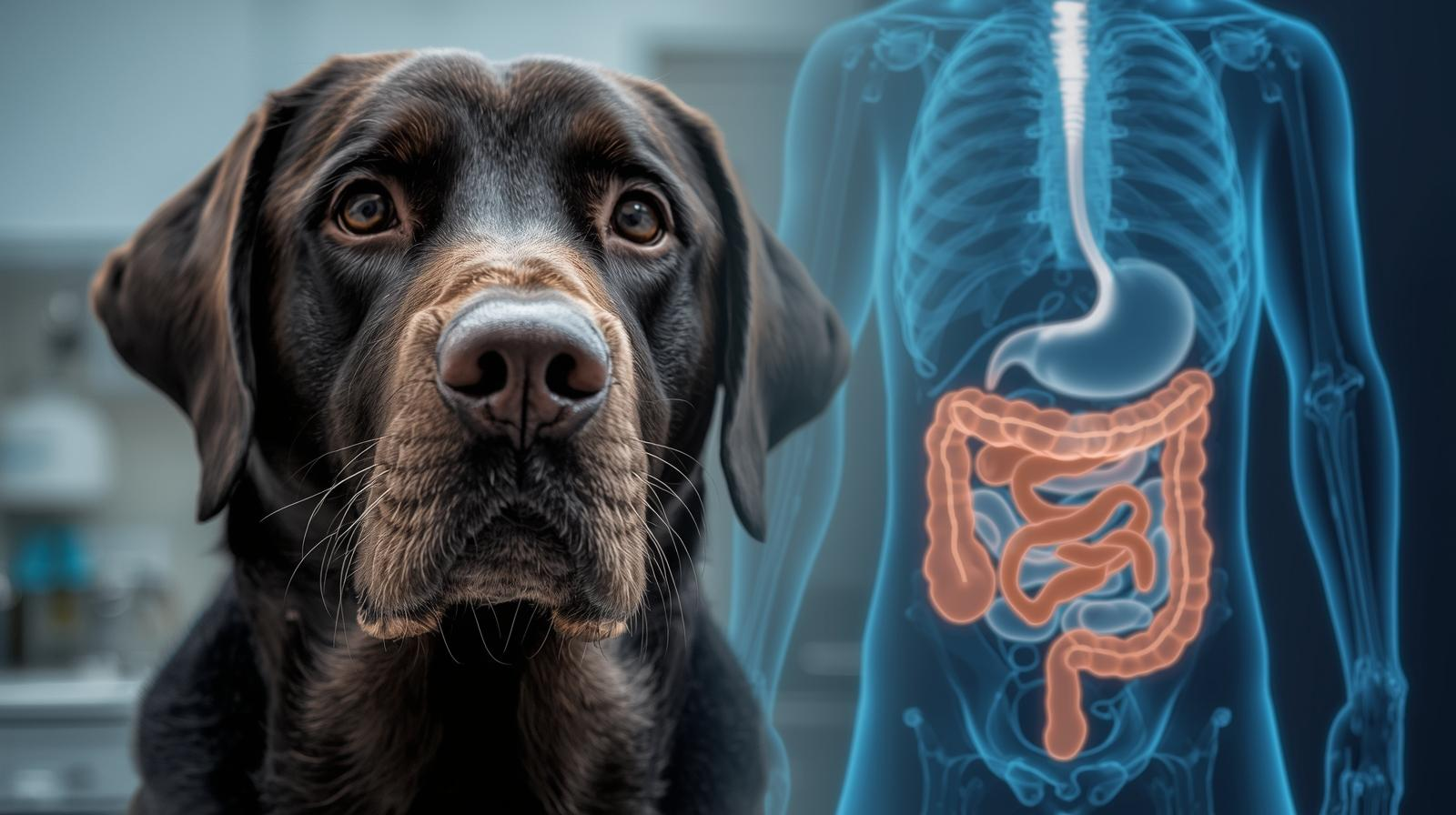
Most Labrador owners want what’s best for their furry friend—plenty of exercise, love, and of course, good food. But what if that bag of kibble you trust so much is quietly working against your dog’s digestive system? The truth is, processed Labrador food might be doing more harm than you think.
While convenient and affordable, processed food often lacks the living nutrients and enzymes your dog’s body needs to maintain healthy digestion and gut balance. Over time, it can lead to bloating, poor nutrient absorption, skin allergies, and even chronic inflammation.
Let’s dive into how processed Labrador food affects digestion and gut health, and explore how you can make simple changes that help your Labrador feel better, look healthier, and live longer.
Understanding the Labrador’s Digestive System
Before we unpack the impact of processed food, it helps to understand how a Labrador’s digestive system actually works. Dogs are omnivores, but their digestive tracts are much shorter than ours. They’re built to process meat and natural fats efficiently, not heavily processed starches or synthetic ingredients.
In nature, dogs would consume raw meats, bones, and partially digested plant matter from prey—foods full of live enzymes, probiotics, and natural moisture. These elements keep their gut bacteria balanced and their digestive system running smoothly.
But when we feed them processed food, that natural balance changes. The high heat and extrusion methods used to make kibble destroy most of those beneficial nutrients. What’s left is a mix of synthetic vitamins, rendered fats, and starch fillers that the Labrador’s gut struggles to digest properly.
How Processed Labrador Food Affects Digestion
It might surprise you to know that many common digestive problems in Labradors—like flatulence, bloating, diarrhea, or constipation—can be traced back to processed food. Here’s how:
1. Lack of Digestive Enzymes
Dogs naturally produce digestive enzymes, but those alone aren’t enough to break down processed ingredients. In raw or fresh food, enzymes help digest proteins and fats efficiently. Processed food, however, is enzyme-dead due to extreme heating during manufacturing. As a result, your Labrador’s body has to work overtime to digest meals, leading to sluggish digestion and less efficient nutrient absorption.
2. Too Many Carbohydrates
Most commercial Labrador food contains 40–60% carbohydrates, far more than a dog’s system can handle naturally. Dogs don’t have the enzymes needed to digest large amounts of starch. Over time, this leads to gut fermentation, gas buildup, and an imbalance in intestinal bacteria.
3. Artificial Additives
Artificial colors, preservatives, and flavor enhancers make processed food more appealing—but at a cost. Chemicals like BHA, BHT, and ethoxyquin have been linked to gut irritation, allergic reactions, and long-term inflammation in dogs.
4. Low Moisture Content
A dog’s digestive system functions best when food contains adequate moisture. Dry kibble forces the digestive tract to draw water from the body, potentially causing dehydration and constipation.
5. Damaged Proteins and Fats
High heat during processing denatures proteins and oxidizes fats, reducing their nutritional value. These altered molecules can cause digestive distress and inflammation in the gut lining, making nutrient absorption even harder.
When your Labrador eats processed food daily, these factors combine to create a chain reaction—slow digestion, poor gut health, and weakened immunity.
The Gut Microbiome: The Heart of Labrador Health
Your Labrador’s gut isn’t just a digestion center—it’s a complex ecosystem filled with trillions of bacteria that influence nearly every aspect of their health. This microbiome helps break down food, absorb nutrients, and strengthen the immune system.
However, processed food disrupts this delicate balance. The overuse of starches and lack of live nutrients feeds harmful bacteria instead of the beneficial ones. Over time, this can lead to dysbiosis—an imbalance in gut bacteria that results in chronic inflammation, loose stools, and even mood changes.
Studies have shown that dogs on highly processed diets have less diverse gut microbiomes than those on raw or minimally processed diets. In simple terms, the more natural the food, the healthier your Labrador’s gut environment will be.
Signs Your Labrador’s Gut Health Is Suffering
It’s not always obvious when your Labrador’s digestion or gut health is compromised, but there are signs you can look out for:
- Frequent gas or bloating
- Loose or inconsistent stools
- Excessive licking or chewing paws
- Dull coat or itchy skin
- Low energy or sluggish behavior
- Bad breath despite good dental care
These symptoms often trace back to an imbalanced gut. When the microbiome is disrupted, it can affect not just digestion, but immunity, skin condition, and even mood.
Long-Term Effects of Processed Food on Labradors
The effects of processed Labrador food on digestion and gut health go far beyond mild discomfort. Over time, the lack of real nutrition and overexposure to artificial ingredients can lead to more serious health problems, including:
- Chronic inflammation: Constant exposure to processed food triggers the immune system, leading to systemic inflammation.
- Food sensitivities: Repeated exposure to the same processed ingredients (like corn, soy, and wheat) can cause allergies.
- Weakened immunity: Poor gut health means less efficient immune defense.
- Weight gain and obesity: Carbohydrate-heavy diets contribute to excessive weight and related diseases.
- Liver and kidney strain: Synthetic additives and preservatives place extra pressure on the organs responsible for detoxification.
If your Labrador seems constantly tired, bloated, or itchy, their gut might be crying for a diet reset.
How to Support Healthy Digestion in Labradors
Thankfully, improving your Labrador’s digestion doesn’t require a complete overhaul overnight. Small, consistent changes can have a big impact on their gut health and overall vitality.
1. Switch to Minimally Processed or Fresh Food
Fresh or gently cooked food contains live nutrients and enzymes that help your Labrador digest efficiently. Look for brands that use whole meats, vegetables, and natural fats without synthetic preservatives.
2. Add Probiotics
Probiotics restore the balance of healthy bacteria in your dog’s gut. You can find probiotic supplements or feed your Labrador fermented foods like plain kefir or unsweetened yogurt (in moderation).
3. Include Digestive Enzymes
Adding digestive enzyme supplements helps your Labrador break down food more effectively, reducing bloating and improving nutrient absorption.
4. Hydrate Well
Encourage water intake or add bone broth to meals. Adequate hydration supports smoother digestion and prevents constipation.
5. Avoid Artificial Additives
When buying dog food or treats, check the ingredient list. Avoid anything with artificial colors, flavors, or preservatives. Natural options might cost a little more but pay off in long-term health.
6. Feed Smaller, Frequent Meals
Instead of one large meal, divide food into two or three smaller portions throughout the day. This reduces strain on the digestive system and maintains consistent energy levels.
Natural Ingredients That Aid Labrador Digestion
Certain foods naturally support digestive function and gut balance. Including these in your Labrador’s diet can enhance their overall health.
Pumpkin
Rich in fiber and gentle on the stomach, pumpkin helps regulate bowel movements and soothe upset stomachs.
Sweet Potato
Packed with vitamins and easily digestible carbohydrates, sweet potato supports a healthy digestive system.
Bone Broth
This nutrient-rich liquid is full of collagen and amino acids that repair the gut lining and strengthen joints.
Oatmeal
A great source of soluble fiber, oatmeal promotes regular digestion and helps prevent constipation.
Fish Oil
Omega-3 fatty acids reduce inflammation in the digestive tract and support skin and coat health.
Transitioning from Processed to Natural Food
If your Labrador has been eating processed food for years, switch diets gradually to avoid digestive upset. Sudden changes can shock their system.
Start by mixing 25% fresh or raw food with 75% of their current diet. Gradually increase the amount of fresh food over a week or two until you fully transition.
Pay attention to your Labrador’s stool consistency, energy, and skin condition during this process. Slight changes are normal, but persistent diarrhea or vomiting may indicate you’re moving too quickly.
The Role of Regular Exercise in Digestion
While food plays the biggest role, exercise also supports healthy digestion. Regular walks, playtime, and mental stimulation keep your Labrador’s metabolism active and their digestive tract functioning smoothly.
Physical activity helps move food through the intestines, reducing the risk of constipation or bloating. Combined with a balanced diet, it’s one of the simplest ways to support long-term gut health.
Why Fresh, Balanced Nutrition Matters Most
At the heart of good gut health lies balance. Labradors thrive on food that reflects their natural dietary needs—rich in animal protein, moderate in fat, and low in processed carbs.
Choosing real, whole-food options ensures your Labrador gets live enzymes, antioxidants, and essential nutrients. Over time, you’ll notice improvements not just in digestion, but in coat shine, energy, and mood.
The difference between a dog fed fresh food and one fed processed kibble daily is like comparing a person living on fast food to someone eating balanced home-cooked meals. The results speak for themselves.
Conclusion
Understanding how processed Labrador food affects digestion and gut health is the first step toward giving your dog a healthier life. While kibble may seem convenient, its hidden costs—poor digestion, inflammation, and imbalanced gut bacteria—can take a toll over time.
By making thoughtful choices—adding probiotics, switching to minimally processed foods, and focusing on hydration—you can restore your Labrador’s natural digestive strength.
A healthy gut means a happy Labrador: better mood, shinier coat, stronger immunity, and a longer, more vibrant life. And that’s something every owner can feel good about.
FAQ
1. How can I tell if my Labrador’s food is affecting digestion?
Watch for bloating, loose stools, bad breath, and excessive scratching. These often signal poor digestion or allergies.
2. Is it safe to switch my Labrador to raw food?
Yes, but transition gradually. Consult your vet to ensure proper balance of nutrients and food safety.
3. Can processed food cause long-term gut issues?
Absolutely. Over time, processed diets can lead to inflammation, poor nutrient absorption, and gut imbalance.
4. What’s the best probiotic for Labradors?
Choose one made specifically for dogs with multiple bacterial strains, such as Lactobacillus acidophilus and Bifidobacterium animalis.
5. How often should I feed my Labrador for better digestion?
Two smaller meals a day are ideal. It keeps their digestion steady and prevents overeating or bloating.