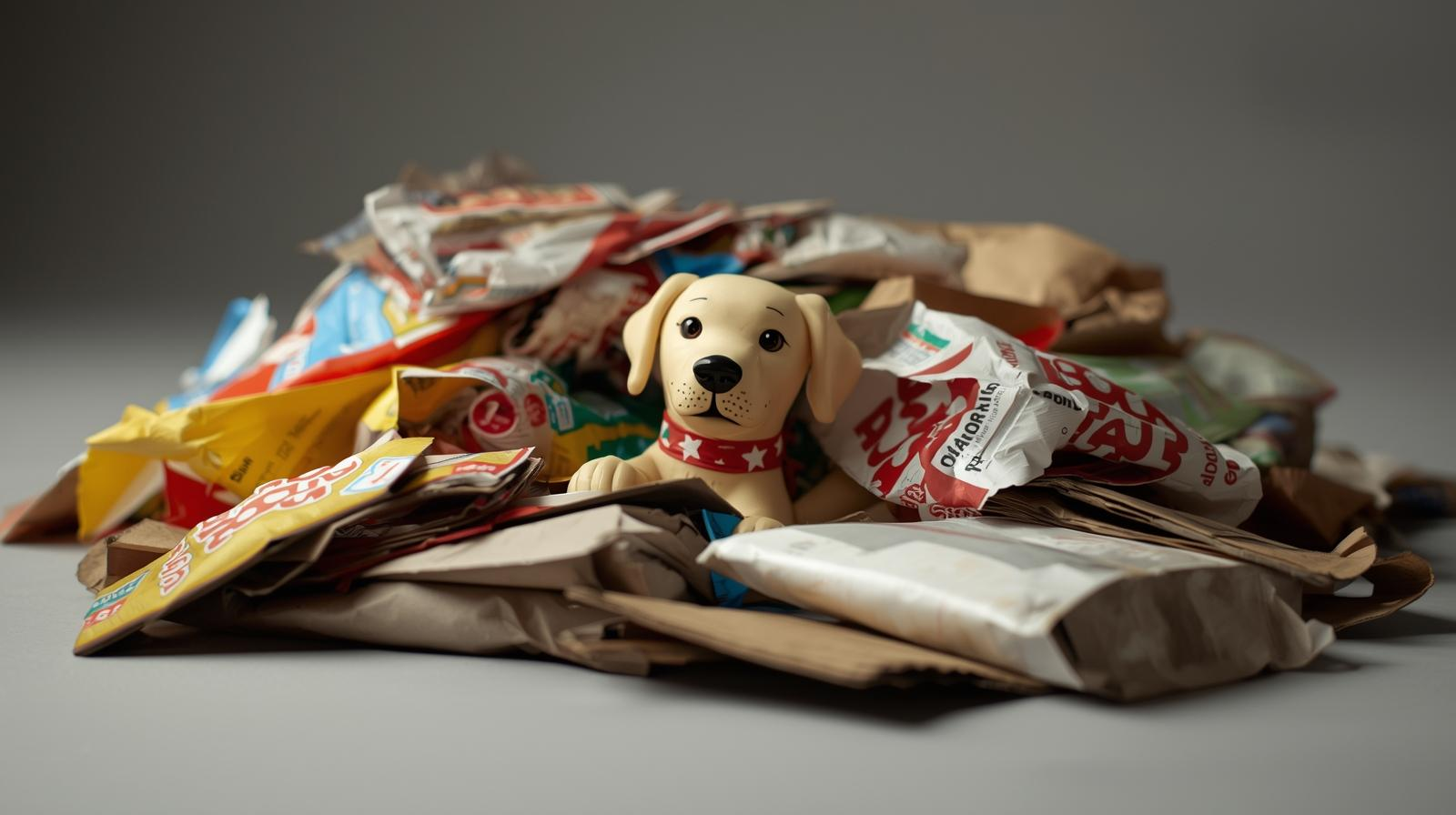
Every Labrador owner knows the joy of bringing home a new toy. That wagging tail, the excited bounce, the eager eyes—it’s a moment of pure happiness. But beneath that joy lies a growing problem few of us think about: Labrador toy packaging waste.
From plastic wraps and blister packs to shrink-sealed tags and multilayer packaging, these so-called “protective” materials have a hidden environmental cost. They pile up in landfills, leak into oceans, and contribute to the massive global plastic crisis.
The truth is, while the toy inside might make your dog happy, the packaging it comes in often harms the planet. And since Labradors are one of the most popular breeds worldwide, the sheer number of toys sold (and discarded) adds up fast.
In this article, we’ll uncover how Labrador toy packaging contributes to plastic waste and, more importantly, what you can do about it.
The Hidden Problem Behind Labrador Toy Packaging Waste
Walk into any pet store and take a look around. Nearly every Labrador toy you see—balls, ropes, squeakers, bones—is wrapped, tagged, or sealed in some form of plastic. It’s bright, shiny, and marketed to catch your eye. But after a few seconds of unwrapping, that plastic goes straight into the trash.
The problem is that most of this packaging is single-use plastic, meaning it’s designed to be discarded after one use. Once thrown away, it doesn’t biodegrade. Instead, it breaks into smaller fragments called microplastics, which linger in the environment for hundreds of years.
According to environmental research, over 300 million tons of plastic waste are produced globally every year—and packaging accounts for nearly half of it. When you consider how many Labradors exist worldwide, the cumulative waste from their toy packaging alone becomes staggering.
Why Plastic Packaging Is So Common in Dog Toys
You might wonder why companies continue using so much plastic in the first place. The answer, as usual, comes down to cost and convenience.
Plastic is cheap, lightweight, and easy to mold or print on. For toy manufacturers, it protects products from moisture, damage, and tampering during shipping. It also makes toys look more appealing on store shelves—colorful, glossy, and “new.”
Unfortunately, what’s convenient for companies is disastrous for the planet. Unlike cardboard or biodegradable materials, plastic packaging isn’t easy to recycle. In many cases, it’s made from multi-layer composites—a mix of plastics and foils that can’t be separated by recycling plants.
So even if you toss that packaging into the recycling bin, chances are it will still end up in a landfill or ocean.
The Environmental Impact of Labrador Toy Packaging Waste
When we talk about Labrador toy packaging waste, we’re not just referring to litter—it’s part of a much bigger problem.
1. Landfill Overload
Most toy packaging ends up in landfills, where it stays for centuries. Plastics don’t break down; they simply degrade into smaller particles. Over time, they release methane and toxic chemicals into the soil, contaminating nearby water sources.
2. Ocean Pollution
A large portion of plastic waste escapes into rivers and oceans. Once there, it becomes a deadly threat to marine animals who mistake it for food. Studies show that every year, over one million seabirds and 100,000 marine animals die from plastic ingestion or entanglement.
3. Microplastic Contamination
Microplastics—the tiny particles left behind when larger plastics degrade—are now found everywhere: in our air, food, and even drinking water. This means that the plastic from toy packaging doesn’t just harm wildlife—it’s making its way back to us, too.
4. Greenhouse Gas Emissions
The production of plastic packaging also contributes to climate change. Every stage—from fossil fuel extraction to manufacturing—emits significant amounts of CO₂ and other greenhouse gases.
In short, that tiny piece of packaging your Labrador tears apart in seconds can have an environmental footprint that lasts centuries.
How Labrador Owners Contribute (Often Without Realizing It)
As dog owners, we love our pets and want the best for them. But our buying habits can unintentionally make us part of the problem.
Think about it—every time we buy a new squeaky toy, chew bone, or rope ball, we’re also buying layers of plastic packaging we’ll throw away within minutes.
Some owners even buy toys in bulk, assuming they’re saving money and reducing waste. In reality, bulk packaging often contains even more plastic wrapping.
This cycle of convenience and disposal is easy to overlook because the waste doesn’t sit in our homes—it disappears into bins. But out of sight doesn’t mean out of existence. That plastic still exists somewhere, slowly polluting the Earth.
Why Labradors Are a Key Part of the Problem
Labradors are among the world’s most popular dogs—beloved for their energy, loyalty, and playfulness. But their playful nature means they go through a lot of toys.
Between teething as puppies, active playtime as adults, and constant chewing habits, Labradors need frequent toy replacements. Every new toy often means new packaging—and more waste.
In other words, the Labrador’s natural personality inadvertently makes it one of the biggest contributors to pet-related plastic waste. The good news? It also means Labrador owners have tremendous power to drive change.
How to Reduce Labrador Toy Packaging Waste
Reducing waste doesn’t mean depriving your Labrador of toys or fun. It simply means making smarter, more sustainable choices. Here’s how you can make a big impact with small changes:
1. Choose Toys with Minimal Packaging
Many eco-conscious pet brands now sell toys with little to no plastic packaging. Opt for those wrapped in recycled paper, cardboard, or compostable materials instead.
When shopping online, look for listings that specify “plastic-free packaging” or “minimal packaging design.” Supporting these companies encourages others to follow suit.
2. Buy in Bulk—Smartly
If you do buy in bulk, choose brands that use sustainable packaging methods. Some companies offer bulk toys in reusable cloth bags or recyclable boxes instead of shrink wrap.
3. Support Eco-Friendly Brands
Brands like Beco Pets, West Paw, and Planet Dog are pioneering sustainable pet products using recycled materials and minimal packaging. By purchasing from them, you’re voting with your wallet for a cleaner future.
4. Recycle and Reuse When Possible
If you can’t avoid plastic entirely, make sure to dispose of it properly. Check local recycling guidelines to see which plastics are accepted. Some materials can also be reused for craft projects, storage, or even DIY toys for your Labrador.
5. Go Local
Local pet stores often use less packaging than big-box chains or online retailers. Buying local not only reduces packaging waste but also lowers carbon emissions from shipping.
DIY Toy Ideas That Eliminate Packaging Waste
One of the easiest ways to reduce Labrador toy packaging waste is to skip the store-bought route altogether and make your own. Labradors don’t care about fancy packaging—they just want to play!
Here are a few simple, waste-free ideas:
- Rope Tug Toy: Twist or braid old t-shirts into a durable tug rope.
- Sock Ball: Stuff an old sock with another sock and tie the end for a quick chew toy.
- Tennis Ball Treat Puzzle: Cut a small slit into an old tennis ball and fill it with kibble for a fun brain game.
- Water Bottle Crunch Toy: Place an empty water bottle inside a sock—the crinkly noise will keep your Labrador entertained.
These DIY toys cost nothing, create zero packaging waste, and are easily replaceable when worn out.
The Role of Brands and Manufacturers
While individual action matters, real change also depends on how companies design and distribute their products.
Many brands are already responding to consumer demand by adopting sustainable packaging solutions, including:
- Recyclable or compostable materials
- Soy-based inks for printing
- Minimalist designs with fewer layers
- Biodegradable or reusable containers
As a consumer, you can encourage this progress by reaching out directly to your favorite brands. Send emails or leave reviews asking them to reduce plastic use in their packaging. When enough customers speak up, companies listen.
How the Pet Industry Can Do Better
The pet industry generates billions annually, but its environmental policies lag behind other sectors. Manufacturers can make a huge difference by:
- Switching to bioplastics made from renewable resources like corn starch
- Offering refill stations for bulk toys and treats
- Implementing take-back programs for packaging
- Educating consumers on proper disposal
Just as we’ve seen with eco-conscious food and fashion brands, the pet industry can evolve—if customers demand it.
Building a Sustainable Routine for You and Your Labrador
Sustainability isn’t about perfection; it’s about awareness and consistent effort. The best approach to reducing Labrador toy packaging waste is to create eco-friendly habits that fit into your daily life.
Here’s what that might look like:
- Bring reusable bags when shopping for dog toys.
- Store toys in fabric bins instead of plastic containers.
- Repair old toys before replacing them.
- Donate unused toys instead of throwing them away.
- Participate in community recycling or cleanup programs.
Every small step you take contributes to a larger, global movement.
Conclusion
The joy your Labrador feels when playing with a new toy shouldn’t come at the planet’s expense. The problem of Labrador toy packaging waste might seem small, but multiplied across millions of households, it becomes a global issue.
Fortunately, the solution lies in our hands—or rather, in our shopping choices. By choosing sustainable brands, reducing packaging waste, and reusing what we can, we create a world where both our dogs and our planet thrive.
After all, the best gift you can give your Labrador isn’t just a toy—it’s a cleaner, safer world to play in.
FAQ
1. Why is Labrador toy packaging bad for the environment?
Most toy packaging uses single-use plastics that don’t decompose, polluting land and oceans for centuries.
2. Can I recycle dog toy packaging?
It depends on the material. Many plastics used in packaging aren’t recyclable, so check local recycling guidelines first.
3. What are eco-friendly alternatives to plastic packaging?
Look for toys wrapped in cardboard, recycled paper, or biodegradable materials instead of plastic.
4. How can I find sustainable Labrador toy brands?
Research eco-conscious companies like Beco Pets, West Paw, and Planet Dog that use sustainable materials and packaging.
5. What can I do with old toy packaging?
Reuse it creatively for storage or crafts, or dispose of it responsibly at specialized recycling centers.