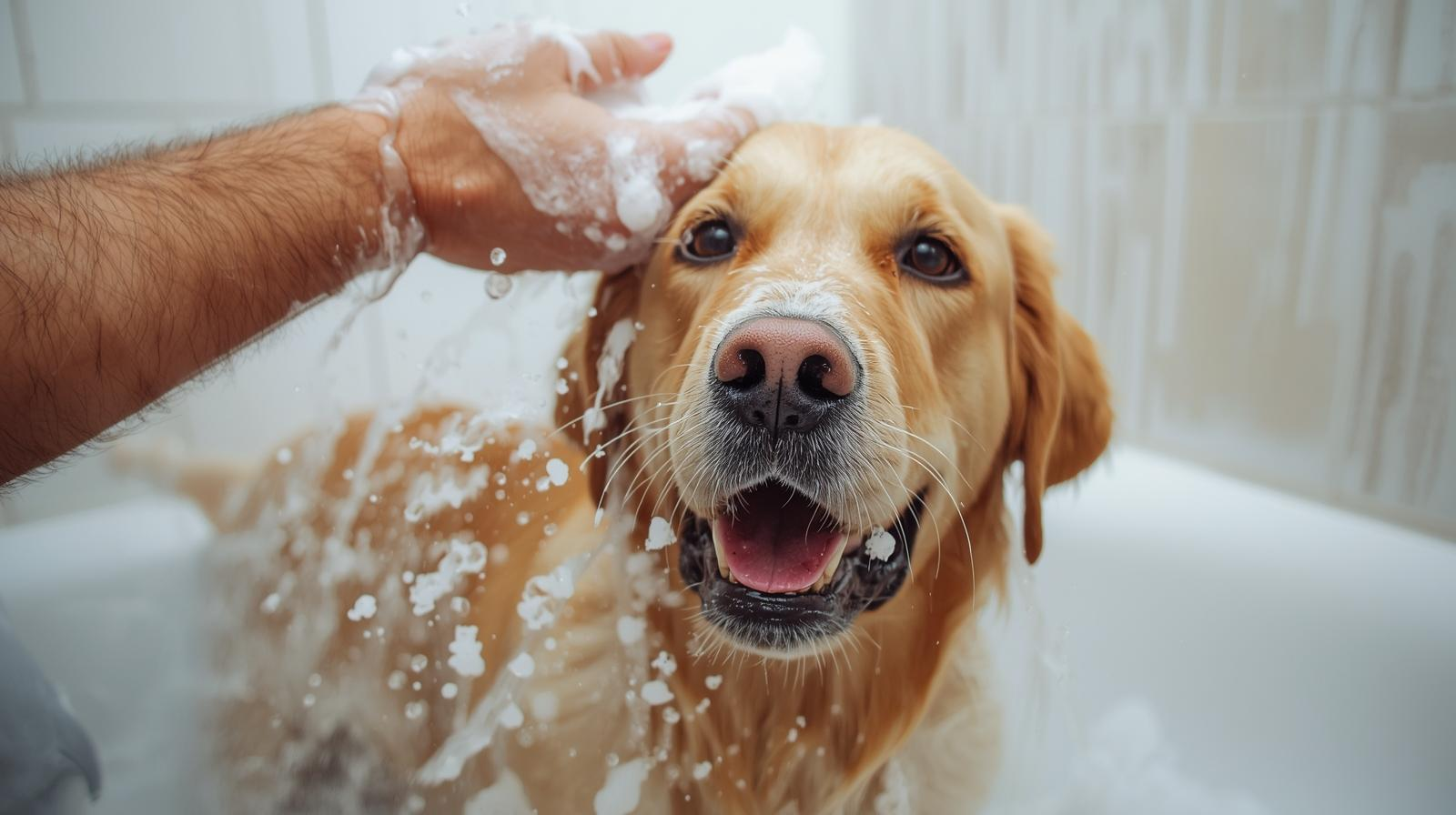
There’s nothing quite like the smell of a freshly bathed Labrador—or the sight of them shaking water all over your bathroom. But what if your well-intentioned bath routine is actually doing more harm than good?
Many owners unknowingly make small Labrador bathing mistakes that irritate their dog’s skin, strip natural oils, and even lead to chronic dryness or infections. Labradors, with their thick double coats and sensitive skin, require a delicate balance of cleanliness and moisture protection.
If your Labrador is constantly scratching after a bath, has flaky skin, or seems uncomfortable, you might be overlooking a few crucial steps. Let’s break down the most common bathing mistakes that damage your Labrador’s skin—and how to fix them for good.
1. Bathing Too Often
One of the most frequent Labrador bathing mistakes is overdoing it. Labradors are naturally clean dogs with coats designed to repel dirt and water. Bathing them too frequently strips their skin of essential oils that keep it moisturized and healthy.
When those oils are washed away, your Labrador’s skin becomes dry and flaky, leading to itching, irritation, and dull fur. Over time, the coat loses its natural shine and protective barrier, making it more prone to infection and odor.
So, how often should you bathe your Labrador?
For most Labradors, once every 6 to 8 weeks is ideal. However, if your dog swims often or plays in mud, use a simple rinse with clean water between baths instead of reaching for shampoo each time.
Think of it like your own skin: too much washing can dry it out, but too little leads to buildup. Balance is key.
2. Using Human Shampoo or Harsh Products
It might be tempting to grab your own shampoo when you run out of dog shampoo, but this is one of the most damaging Labrador bathing mistakes you can make. Human shampoos are formulated for a different pH balance—ours is more acidic, while a Labrador’s skin is more neutral.
Using human shampoo can disrupt that balance, leading to irritation, itching, and even allergic reactions. The same goes for heavily fragranced or medicated dog shampoos that aren’t recommended by your vet.
Instead, choose a pH-balanced, hypoallergenic shampoo made specifically for dogs. Look for formulas with soothing ingredients like:
- Oatmeal
- Aloe vera
- Coconut oil
- Chamomile
- Shea butter
These ingredients clean gently while moisturizing your Labrador’s coat and protecting the skin barrier.
If your dog has sensitive or allergy-prone skin, talk to your vet about a hypoallergenic or medicated shampoo. Using the right product can make all the difference between an itchy dog and a happy, shiny one.
3. Not Rinsing Thoroughly
Another sneaky Labrador bathing mistake is rushing through the rinse. Labradors have thick double coats—one dense undercoat and one protective topcoat—which can trap shampoo residue if you don’t rinse long enough.
Leftover shampoo might seem harmless, but it’s a major cause of post-bath irritation. Residue dries on the skin, causing itchiness, dandruff, and redness. Some Labradors even develop “hot spots” or bacterial infections from buildup that wasn’t properly rinsed out.
To prevent this, always rinse longer than you think you need to. After the first rinse, run your fingers through the fur and check for any slippery or soapy spots. Then rinse again, especially around dense areas like the neck, chest, and hind legs.
A good rule of thumb: if you think you’ve rinsed enough, rinse once more. Your Labrador’s skin will thank you.
4. Using Water That’s Too Hot or Too Cold
Temperature matters more than most people realize. Using water that’s too hot or too cold is another common Labrador bathing mistake that can lead to discomfort or skin irritation.
Hot water can strip oils faster, leaving the skin dry and sensitive. It can also increase inflammation if your Labrador already has irritated skin or allergies. On the other hand, cold water can tighten pores and make it harder to rinse out dirt and shampoo completely.
The perfect bath temperature? Lukewarm water—just like you’d use for a baby. It’s comfortable, safe, and soothing for your Labrador’s skin.
Before starting the bath, test the water with your wrist. If it feels pleasantly warm (not hot), it’s just right.
5. Skipping the Drying Process
After a good bath, it’s tempting to let your Labrador air-dry naturally. After all, they have water-resistant coats, right? While that’s true, skipping proper drying can lead to hidden problems.
A damp undercoat creates the perfect environment for bacteria and yeast to grow, especially in warm, humid climates. This can result in foul odors, rashes, and fungal infections.
To avoid these issues, always dry your Labrador thoroughly after a bath:
- Start with a large, absorbent towel to remove excess water.
- Then, use a pet-safe blow dryer on a low or cool setting to dry the undercoat completely.
- Keep the dryer moving to prevent overheating and avoid sensitive areas like the ears and face.
Pay special attention to the armpits, chest, and base of the tail—these are moisture-trapping zones that often get overlooked.
If your Labrador dislikes the sound of a blow dryer, introduce it gradually with treats and praise. A calm, slow approach helps them associate drying with something positive.
6. Ignoring Ear Care During Bath Time
Labradors are prone to ear infections, and one of the easiest ways to trigger them is through poor ear care during baths. Water and shampoo can easily get trapped in their floppy ears, creating a warm, moist breeding ground for bacteria.
This is one of the most overlooked Labrador bathing mistakes—and one that can cause serious discomfort.
Before bathing, gently place a cotton ball in each ear to prevent water from getting inside. Be careful not to push it too deep. After the bath, remove the cotton balls and dry the outer ear with a soft towel.
Once the ears are dry, use a vet-approved ear cleaner to remove any lingering moisture or debris. Clean only the visible parts—never insert anything into the ear canal.
If your Labrador starts shaking their head frequently or scratching their ears after a bath, it may be a sign of trapped water or infection. Consult your vet immediately.
Bonus Tip: Don’t Forget the Brushing
While it’s not exactly a “bathing” mistake, skipping pre-bath brushing is another error that affects your Labrador’s skin.
Brushing before a bath removes loose hair, dirt, and tangles, making it easier for water and shampoo to reach the skin. It also reduces shedding afterward and prevents matting, which can trap moisture and bacteria.
Use a slicker brush or undercoat rake to gently remove dead fur. A few minutes of brushing before and after the bath keeps your Labrador’s coat shiny and their skin healthy.
How to Make Bath Time a Positive Experience
For many Labradors, bath time can be stressful if not handled gently. The good news? With the right approach, it can become something they actually enjoy.
Here’s how to make bath time easier:
- Use treats and praise to build positive associations.
- Stay calm and patient—your Labrador will pick up on your mood.
- Avoid slippery surfaces by placing a non-slip mat in the tub.
- Start slowly if your dog is nervous, gradually introducing water and shampoo.
When your Labrador feels safe and relaxed, bath time becomes a bonding moment rather than a struggle.
The Importance of Maintaining Healthy Skin
Your Labrador’s skin is their first line of defense against environmental irritants, allergens, and bacteria. Each bath either supports or harms that natural barrier depending on your technique and products.
By avoiding these Labrador bathing mistakes, you’re doing more than just keeping them clean—you’re protecting their long-term health. Healthy skin leads to a shiny coat, reduced shedding, and fewer vet visits for allergies or infections.
Think of it this way: every time you bathe your Labrador correctly, you’re not just washing dirt away—you’re strengthening the invisible shield that keeps them happy, comfortable, and resilient.
Conclusion
Bathing your Labrador should be a refreshing experience, not a damaging one. The key is balance: clean enough to remove dirt but gentle enough to protect their natural oils and skin health.
By avoiding these Labrador bathing mistakes—from using the wrong shampoo to skipping thorough rinsing and drying—you’ll help your dog maintain a strong skin barrier and a radiant coat.
Remember, healthy skin equals a happy Labrador. Treat bath time as care, not a chore, and your loyal companion will reward you with comfort, shine, and endless tail wags.
FAQ
1. How often should I bathe my Labrador?
Every 6 to 8 weeks is ideal for most Labradors. Bathing too frequently can dry out their skin.
2. What type of shampoo is best for Labradors?
Choose a pH-balanced, hypoallergenic dog shampoo with natural ingredients like oatmeal or aloe vera.
3. Can I let my Labrador air-dry after a bath?
It’s better to towel and blow-dry your dog to prevent moisture from getting trapped in the undercoat.
4. Why does my Labrador scratch after bathing?
It could be due to leftover shampoo residue, dry skin, or an allergic reaction to the shampoo.
5. How can I make bath time easier for my Labrador?
Use treats, praise, and gentle handling. A calm environment helps your dog associate baths with positive experiences.