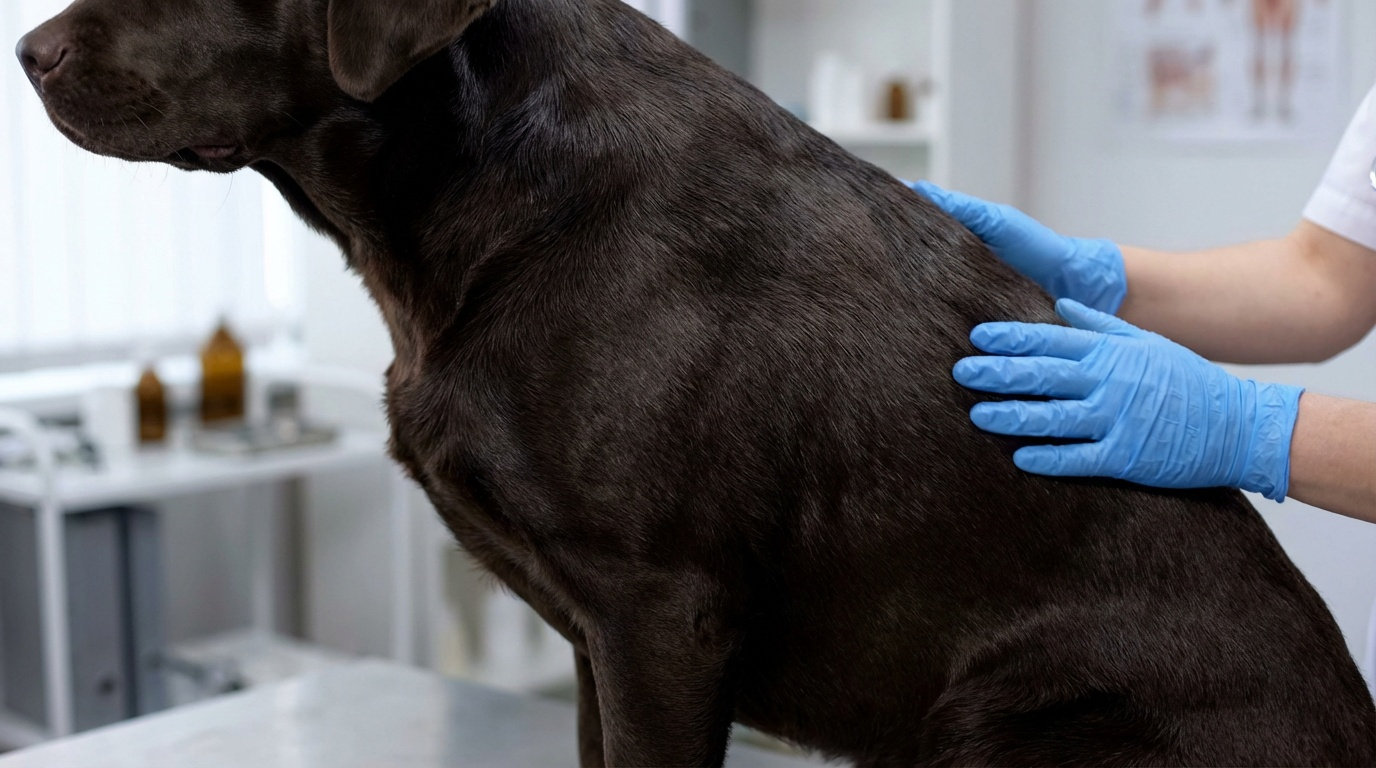
When your Labrador’s coat suddenly becomes dull, brittle, or patchy, it can feel alarming. Their coat is a big part of their charm, and seeing it lose shine or strength makes many owners feel helpless. Chemical exposure is one of the most common culprits behind sudden coat changes. Harsh shampoos, cleaning products, lawn treatments, or grooming chemicals can all disrupt skin health and weaken hair structure. Fortunately, you can repair Labrador coat damage using simple, natural methods that nourish, soothe, and rebuild your dog’s coat from the inside out.
Chemical damage doesn’t always show up immediately. Sometimes the coat begins shedding excessively, becomes rough to the touch, or loses its usual thickness. Because Labradors have a double coat designed to repel water and insulate their skin, any disruption to this protective layer affects comfort and appearance. Instead of panicking, start by understanding what caused the damage. After identifying the source, you can begin repairing the coat effectively with step-by-step restoration strategies.
The good news is that Labradors respond quickly to supportive care. Their coat regenerates naturally, and with the right combination of nutrition, grooming adjustments, and topical treatments, you can repair Labrador coat damage within weeks. While complete restoration takes time, consistent care accelerates recovery and prevents future harm. The key is patience, gentle methods, and a commitment to supporting your dog’s skin barrier as it heals.
Understanding Chemical Damage Before You Repair Labrador Coat Health
Before you repair Labrador coat damage, you should understand how chemicals harm your dog’s fur and skin. Chemical exposure strips natural oils, weakens the outer hair shaft, and irritates the skin beneath. When this happens, shedding increases and patches of fur appear dry or frizzy. Harsh detergents wash away essential lipids that keep the skin moisturized. Even products marketed for dogs can contain sulfates, alcohols, and synthetic fragrances that cause long-term irritation.
Environmental chemicals also play a role. Grass treatments, pesticides, pool chlorine, and household cleaners may cling to your Labrador’s coat after outdoor play or indoor activity. Because Labradors love rolling, swimming, and exploring, they encounter more chemicals than owners realize. These irritants penetrate the coat and disrupt the natural balance.
Once the skin barrier weakens, inflammation begins. Itching, redness, and dryness follow quickly. At this stage, repairing Labrador coat damage requires calming the skin first. The coat cannot fully heal until inflammation decreases. Early intervention prevents deeper irritation and shortens recovery time.
Start Healing From Within: Nutrition for Repairing Labrador Coat Damage
Coat restoration begins internally. A nutrient-rich diet fuels the rebuilding process. Labradors need essential fatty acids, quality protein, vitamins, and antioxidants to restore coat strength. When you repair Labrador coat damage through nutrition, results often appear faster than expected.
Omega-3 fatty acids are essential. They reduce inflammation and hydrate the skin. Salmon oil, anchovy oil, and sardine oil offer highly absorbable omega-3s. Adding a teaspoon of fish oil to meals supports moisture retention and makes fur glossier. Omega-6 fatty acids also help, but balance matters. Too much omega-6 causes inflammation, so choose formulas with balanced ratios.
Protein quality affects coat growth. Because hair is made of keratin, Labradors need highly digestible animal proteins to rebuild damaged hair shafts. Chicken, turkey, fish, and beef provide amino acids that support healing. If your dog’s current food uses fillers or low-quality protein sources, upgrading the diet may quickly repair Labrador coat damage.
Antioxidants such as vitamin E, vitamin A, and biotin help restore coat shine and skin elasticity. You can provide these nutrients through food or supplements recommended by your veterinarian. Hydration also matters. Dehydrated skin heals slowly, so ensure fresh water is always available. Adding bone broth to meals supplies electrolytes and moisture while supporting skin repair.
Gentle Bathing Techniques to Repair Labrador Coat Damage
Chemical damage often results from harsh bath products or improper grooming practices. To repair Labrador coat damage effectively, switch to gentle bathing routines using natural, hypoallergenic formulas. Avoid shampoos with sulfates, parabens, artificial dyes, or heavy fragrances. These ingredients strip oils and irritate the skin further.
Choose shampoos made with oatmeal, aloe vera, chamomile, or coconut-based cleansers. These ingredients soothe inflammation and moisturize the coat. After bathing, always rinse thoroughly. Residue left on the coat can worsen irritation. Lukewarm water works best because hot water dries out the skin.
You should reduce bath frequency during the healing phase. Labradors naturally regulate coat oils, and over-bathing interrupts this process. Bathing once every four to six weeks, unless medically necessary, helps restore oil balance. Spot cleaning with damp cloths or grooming wipes between baths keeps your dog fresh without stripping moisture.
Conditioners are crucial when you repair Labrador coat damage. Choose natural conditioners with shea butter, coconut oil, or aloe. Applying conditioner restores softness and protects new hair growth. Let the conditioner sit for at least a few minutes before rinsing to maximize hydration.
Topical Natural Remedies to Repair Labrador Coat Damage Safely
Topical treatments offer direct support to damaged areas. Natural remedies work well because they nourish the skin without introducing more chemicals. Coconut oil remains one of the best options for repairing Labrador coat damage. It reduces inflammation, moisturizes dry skin, and strengthens the coat. Apply a small amount and massage gently into the fur. Because Labradors may try to lick it, use small doses to avoid digestive upset.
Aloe vera gel also soothes irritated skin. Choose pure aloe without alcohol or additives. Aloe cools the skin, reduces redness, and speeds healing. Apply it sparingly to affected patches. Oatmeal paste provides relief for itching. Mix ground oats with warm water and apply to dry or irritated areas. Rinse after several minutes.
Calendula oil supports healing by reducing inflammation and promoting tissue repair. It’s ideal for Labradors with mild chemical burns or red patches. Chamomile tea compresses calm irritated areas naturally. Brew a strong tea, let it cool, and press a soft cloth soaked in chamomile onto damaged areas.
You can also use dog-friendly balms designed for skin recovery. Balms containing beeswax, shea butter, and vitamin E help repair Labrador coat damage while protecting the skin barrier.
Brush the Coat Correctly to Support the Healing Process
Proper brushing plays a major role in coat repair. It stimulates circulation, distributes natural oils, and removes dead hair. However, brushing too aggressively worsens damage. Choose tools designed for sensitive skin, such as soft-bristle brushes or flexible slicker brushes.
Brush in gentle, long strokes. Avoid tugging or pulling. Labradors with chemical damage often feel tender, so be patient. Start slowly and increase brushing frequency as the coat improves. Brushing two to three times per week is ideal during healing.
Avoid deshedding tools while repairing Labrador coat damage. These tools can be too harsh when the coat is fragile. Instead, focus on stimulating oil production and improving texture gently.
Dry brushing before a bath helps loosen debris, while brushing after a bath ensures even oil distribution. Always dry the coat thoroughly, as a damp coat is prone to matting and further irritation.
Environmental Adjustments That Help Repair Labrador Coat Damage
Repairing Labrador coat damage requires a full-body approach, including environmental adjustments. Chemicals in cleaning supplies, lawn treatments, and air fresheners can irritate skin during healing. Switching to pet-safe cleaning products reduces daily exposure to irritants. Use unscented detergents for bedding and avoid chemical-based sprays.
Humidifiers help restore moisture in dry homes. Winter heating often dries out the air, which worsens skin irritation. A humidifier supports the skin barrier and improves coat softness. Because Labradors spend significant time indoors, humidity can influence the recovery process.
Outdoor chemicals also matter. If your yard has been treated with pesticides or fertilizers, avoid letting your Labrador roll or sit on treated areas until fully dry. Rinse paws after walks to prevent chemical absorption. These small habits significantly help repair Labrador coat damage by reducing irritants.
Rebuilding the Skin Barrier to Repair Labrador Coat Damage
The skin barrier protects against bacteria, allergens, and moisture loss. When chemicals disrupt it, rebuilding the barrier becomes essential. Moisturizing sprays formulated for pets help restore barrier function. These sprays contain ceramides, which strengthen the skin structure.
Regular use of omega-rich oils, moisturizers, and gentle grooming supports barrier healing. Avoid over-washing or using alcohol-based products. Each time you dry out the skin, the barrier weakens again. Consistency matters. Daily application of lightweight moisturizing sprays or oils accelerates repair.
Some veterinarians recommend supplements specifically designed for skin health. These include combinations of fish oil, biotin, zinc, and vitamin E. If you’re unsure which supplements to choose, ask your veterinarian. Supplements help repair Labrador coat damage from within while topical products work externally.
When to Seek Veterinary Support for Labrador Coat Damage
While many cases of chemical damage heal with home care, some require veterinary attention. If your Labrador develops persistent redness, open sores, significant hair loss, or severe itching, seek medical advice. These symptoms may indicate chemical burns, infections, or allergic reactions.
Veterinarians can prescribe medicated shampoos, antibiotics, or anti-inflammatory treatments if needed. They may also run allergy tests to determine whether an underlying sensitivity contributed to the damage. Early intervention prevents complications and speeds recovery.
If your Labrador’s coat fails to improve after several weeks of treatment, additional testing may identify hormonal imbalances or thyroid issues. These conditions also affect coat health and may resemble chemical damage.
Preventing Future Coat Damage After Recovery
Once you repair Labrador coat damage, preventing future harm becomes the next priority. Choose grooming products with natural ingredients. Avoid shampoos with sulfates, parabens, phthalates, or heavy fragrances. These chemicals strip oils and irritate sensitive skin.
Use pet-safe lawn treatments and avoid letting your Labrador roam in areas treated with pesticides. Rinse your dog after swimming in chlorine-heavy pools. Dry thoroughly after baths and avoid frequent bathing.
Maintain consistent brushing and nutrition routines. A healthy coat requires ongoing care. Supplements and moisturizing sprays work best when used regularly.
Finally, read all product labels. Whether the item is a shampoo, flea treatment, or household cleaner, ensure it is safe for dogs. Prevention is easier than repair, and these habits protect your Labrador long-term.
Conclusion
Repairing Labrador coat damage after chemical exposure takes patience, gentle care, and consistent routines. By supporting the skin barrier, optimizing nutrition, choosing natural products, and avoiding harsh chemicals, you help your Labrador recover quickly and comfortably. Their coat will regain its shine, softness, and protective strength. With thoughtful care and preventive habits, you can maintain a healthy coat that reflects your Labrador’s vitality and well-being for years to come.
FAQ
- How long does it take to repair Labrador coat damage?
Most coats improve within a few weeks, but full restoration may take several months. - Can coconut oil help repair a damaged coat?
Yes, coconut oil moisturizes, reduces inflammation, and supports healing when used in moderation. - Should I bathe my Labrador more often while repairing coat damage?
No. Over-bathing worsens dryness. Use gentle shampoos and bathe only when necessary. - What foods help improve coat health?
Omega-3-rich foods like salmon, sardines, and quality proteins support coat repair. - When should I see a vet about coat damage?
Visit a vet if you notice severe redness, bald spots, infections, or no improvement after several weeks.