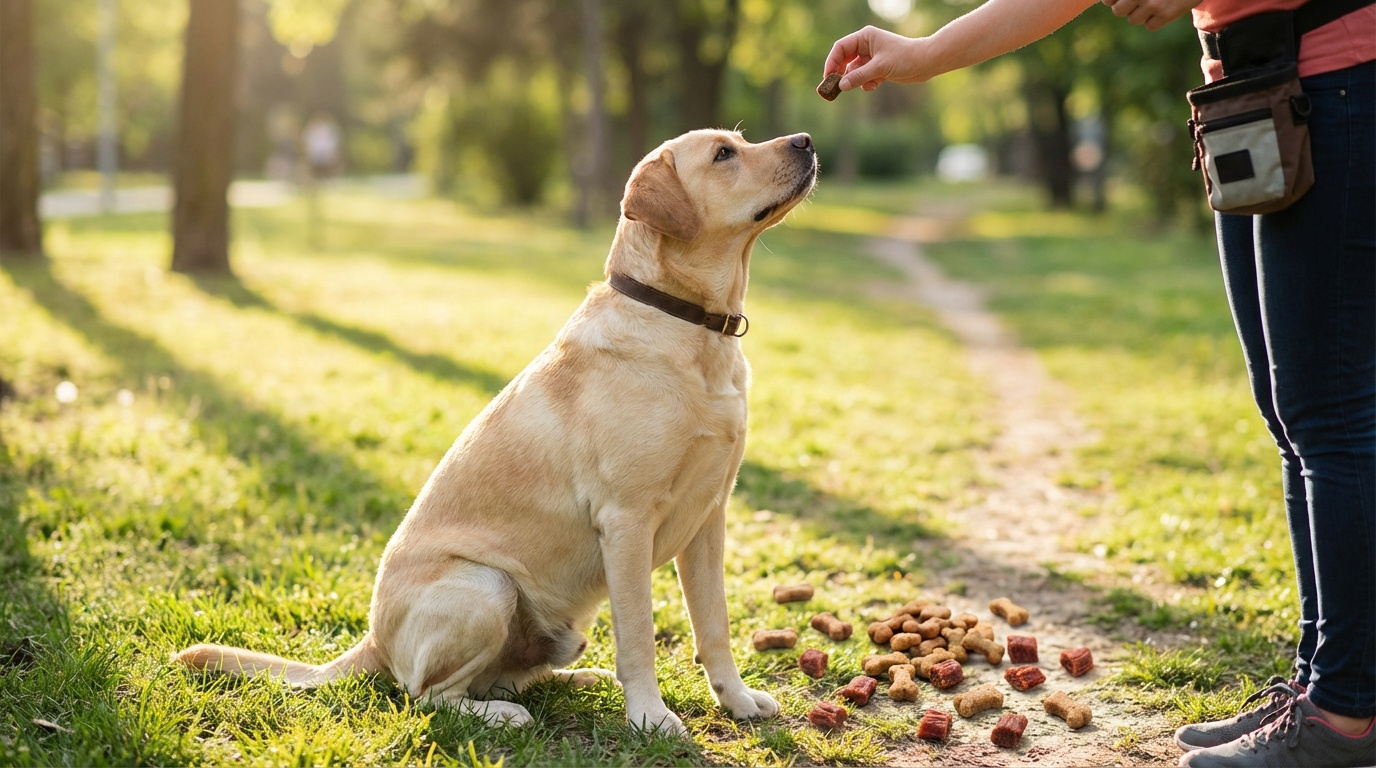
Training a Labrador can be one of the most rewarding experiences for any dog owner. Known for their intelligence, enthusiasm, and eagerness to please, Labradors learn quickly when motivated properly. However, using treats for Labrador training requires strategy. Treats can strengthen commands, encourage good habits, and speed up learning. Yet when used incorrectly, they can create dependency or lead to overeating. Understanding how to balance motivation with structure is essential for long-term training success.
Many owners start training with treats but do not know when to adjust or reduce them. Labradors love food, which makes treats both a blessing and a potential challenge. Their enthusiasm can overshadow focus if treats are not used thoughtfully. Therefore, the key lies in understanding the psychology behind reward-based training and applying treats in ways that build confidence, reinforce consistency, and encourage self-control.
Treats for Labrador training should feel like helpful tools instead of bribes. When used the right way, treats strengthen the bond between you and your dog, turning learning into a fun, positive experience. With the right balance of timing, reward choice, and reinforcement levels, your Labrador becomes more attentive, cooperative, and motivated.
Why Treats Work So Well in Labrador Training
Labradors are notoriously food-driven. This trait makes them excellent candidates for reward-based training. Treats activate the reward centers in the brain, which strengthens memory and encourages repeat behaviors. Because Labradors naturally want to please their owners, pairing praise with food accelerates learning.
Treats for Labrador training work because they provide instant reinforcement. Dogs learn best when rewards are delivered immediately after the correct action. A well-timed treat communicates clarity: “Yes, that’s exactly what I wanted.” This moment of clarity builds confidence, especially in young or easily distracted Labradors.
Additionally, food rewards reduce anxiety during training. When Labradors feel supported and encouraged, they approach new tasks with excitement instead of nervousness. Treats help create a positive training environment where mistakes become learning opportunities rather than failures. This approach nurtures a resilient, willing learner.
Using treats for Labrador training also strengthens engagement. When your dog knows something good may happen, they stay focused. This attention makes it easier to introduce new commands or refine existing skills. Although Labradors enjoy praise, treats often deepen motivation in the early stages of learning.
Choosing the Best Treats for Labrador Training
Not all treats hold the same value during training. The key is choosing treats that match your dog’s excitement level and training goals. High-value treats work best for challenging commands or distracting environments. Lower-value treats work well for simple behaviors your Labrador already understands.
High-value treats include:
- Small pieces of cooked chicken
- Freeze-dried beef or liver
- Soft, meaty training bites
- Cheese (in moderation)
Low-value treats include:
- Crunchy biscuit pieces
- Kibble portions
- Carrot slices
- Light dog cookies
The size of the treat matters too. When using treats for Labrador training, choose tiny pieces—about the size of a pea. Large treats slow training and contribute to weight gain. Small treats keep the pace quick and energetic.
Because Labradors are prone to obesity, healthy treat options are essential. Look for treats with natural ingredients and avoid options high in fat, sugar, or sodium. Many owners also use part of the dog’s regular meal allowance as training treats to control calorie intake.
Timing Matters: When to Deliver Treats for Labrador Training
Treat timing is one of the most important elements of successful training. Dogs connect rewards with the action they perform right before receiving the treat. Therefore, treats must be delivered within one second of the desired behavior.
Immediate rewards create clarity, and clarity leads to faster learning. When treats for Labrador training arrive too late, your dog may misunderstand what you are reinforcing. For example, if you reward after they stand up from a sit, they might think standing earned the treat.
Marking behaviors helps improve timing. You can use a clicker or a marker word like “yes!” right when the correct behavior occurs. The treat follows immediately. This technique bridges the gap between behavior and reward, enhancing precision.
Treat timing also builds rhythm in training. Labradors thrive on consistency. When your timing remains steady, your dog stays confident and engaged. Over time, good timing reduces the need for treats because your Labrador understands expectations better.
How to Use Treats for Labrador Training Without Creating Dependence
One common concern is that dogs may become treat-dependent. Fortunately, you can prevent this by transitioning rewards strategically. In the early stages, treats for Labrador training should be frequent. As your dog masters a behavior, gradually reduce treat frequency.
This technique is known as variable reinforcement. Instead of rewarding every correct action, you reward randomly—sometimes after every success, sometimes after every second or third success. This approach keeps your Labrador motivated because they anticipate potential rewards, much like playing a fun game.
Eventually, treats become occasional bonuses rather than consistent payments. Praise, affection, and play fill the gaps. Labradors appreciate variety, so switching rewards maintains excitement.
Another important step is reducing visible treats. Hide treats in a pouch or pocket. If your Labrador sees the treat beforehand, they may perform commands only because food is present. Using hidden treats teaches focus and prevents treat dependency.
Integrating Treats Into Basic Labrador Training Commands
Treats enhance the learning process for foundational commands such as sit, stay, come, and down. Each command benefits from clear reinforcement.
Sit
Hold a treat above your Labrador’s nose and move it backward. When they sit, mark and reward immediately. After repetition, remove the lure and use only the verbal cue.
Stay
Ask for a sit, then show a hand signal for stay. Count one second, then treat. Slowly increase duration. Treats for Labrador training work particularly well here because they reinforce patience.
Come
Use high-value treats for recall. Call your Labrador with enthusiasm, and reward them every time they return. This command saves lives, so strong reinforcement matters.
Down
Guide your dog into a down position with a treat. Reward immediately once elbows touch the ground. Because Labs may resist lying down, soft treats increase willingness.
Treats help transform these commands from confusing instructions into achievable routines. Labradors learn best through repetition and positivity, and treats provide both.
Using Treats to Improve Leash Training and Loose-Leash Walking
Leash pulling is a common issue for energetic Labradors. Treats for Labrador training can dramatically improve walking behavior. Begin by marking and rewarding your dog for walking beside you without pulling. Treat often at first—every few steps if needed.
When your Labrador pulls, stop immediately. Wait for slack in the leash. Once the leash loosens, reward and continue walking. This technique teaches cause and effect: pulling stops progress, but calm walking earns rewards.
As your dog improves, space out treats. Transition to praise or play. Eventually, your Labrador will walk politely because it feels comfortable and rewarding—not because treats appear constantly.
Treats also help redirect attention. If your dog fixates on a distraction, offer a treat to regain focus. This method prevents unwanted reactions and reinforces calm behavior.
How to Use Treats for Labrador Training in High-Distraction Environments
Training at home is easy. Training outside is harder. Parks, other dogs, smells, and sounds overload a Labrador’s senses. Treats for Labrador training become invaluable in these situations because they anchor your dog’s attention.
Use higher-value treats outdoors than indoors. This ensures the reward outweighs distractions. Keep sessions short and positive. If your Labrador becomes overwhelmed, create distance or move to a quieter area.
Reward heavily for focus. Eye contact earns treats. Calm behavior earns treats. Coming when called earns a jackpot (multiple treats). Over time, you teach your Labrador that paying attention to you is more rewarding than the environment.
Gradually increase distractions as your dog improves. The goal is steady progress without overwhelming your Labrador.
Using Treats to Shape Advanced Behaviors and Tricks
Treats become powerful tools when shaping complex behaviors. Shaping involves rewarding small steps toward a final behavior. Labradors excel at shaping because they enjoy problem-solving.
For example, if teaching “roll over,” reward each step: lying down, shifting weight, turning partially, then rolling fully. Treats mark progression and keep training enjoyable.
Advanced tasks like retrieving items, closing doors, or agility work also benefit from treat rewards. Labradors thrive on challenges, and treat-based shaping turns training into a fun puzzle.
As your Labrador masters advanced skills, transition to intermittent rewards. This maintains motivation and prevents treat dependency.
Controlling Calories While Using Treats for Labrador Training
Because Labradors gain weight easily, calorie control is crucial. Even small treats add up during training sessions. One effective solution is using part of your dog’s daily kibble as training treats. This keeps calorie counts stable.
Alternatively, choose low-calorie rewards such as:
- Freeze-dried meat crumbs
- Tiny cheese bits
- Carrot pieces
- Green bean slices
You can also break larger treats into smaller pieces. Labrador training should never compromise long-term health. Monitoring treat intake ensures balanced nutrition and healthy weight maintenance.
If you conduct long training sessions, subtract treat calories from meals. With consistent adjustment, your Labrador stays energetic without gaining excess weight.
Common Mistakes to Avoid When Using Treats for Labrador Training
Mistakes happen, but avoiding common pitfalls keeps training smooth. One mistake is bribing instead of rewarding. Bribing involves showing your Labrador the treat before they act. Rewarding happens after they perform correctly.
Another mistake is rewarding too slowly. Delayed treats confuse Labradors and slow learning. Always reward within a second of the correct behavior.
Using treats for Labrador training as the only form of reinforcement is another issue. Mix praise, affection, and play to create balance.
Overfeeding treats also causes problems. Large, frequent treats lead to weight gain, restlessness, and treat-dependent behavior.
Finally, inconsistency confuses Labradors. If one person rewards behaviors differently, training slows. Everyone interacting with your dog should use the same cues and reinforcement rules.
Turning Treats Into Long-Term Training Success
Treats are not meant to last forever as primary motivators. Instead, they serve as stepping stones. When your Labrador masters a behavior, gradually shift to verbal praise and intermittent treats. This creates stable habits and ensures your dog listens even when food is not present.
Eventually, treats become occasional bonuses instead of constant rewards. Most Labradors respond well to this transition. Because the foundation of training is built on positive reinforcement, they feel confident and motivated even without treats in hand.
Conclusion
Using treats for Labrador training the right way transforms the learning experience. Treats build motivation, strengthen communication, and accelerate progress when used with intention. By choosing the right treats, rewarding with good timing, preventing dependency, and balancing treats with praise, you create a confident, well-trained Labrador who understands expectations clearly. With patience, consistency, and thoughtful reinforcement, treats become powerful tools that support long-lasting obedience and deepen your bond.
FAQ
- How often should I give treats during Labrador training?
In early training, reward frequently. Reduce treat frequency as your Labrador masters commands. - What treats work best for highly distracted Labradors?
High-value treats like chicken, cheese, or freeze-dried meat work best in challenging environments. - Can treats cause weight gain?
Yes. Use tiny pieces, low-calorie options, or kibble portions to control calories. - How do I avoid treat dependency?
Hide treats, use variable reinforcement, and increase praise as your Labrador improves. - When should I stop using treats altogether?
Never fully stop. Instead, use them occasionally as bonuses to maintain motivation and reinforce habits.