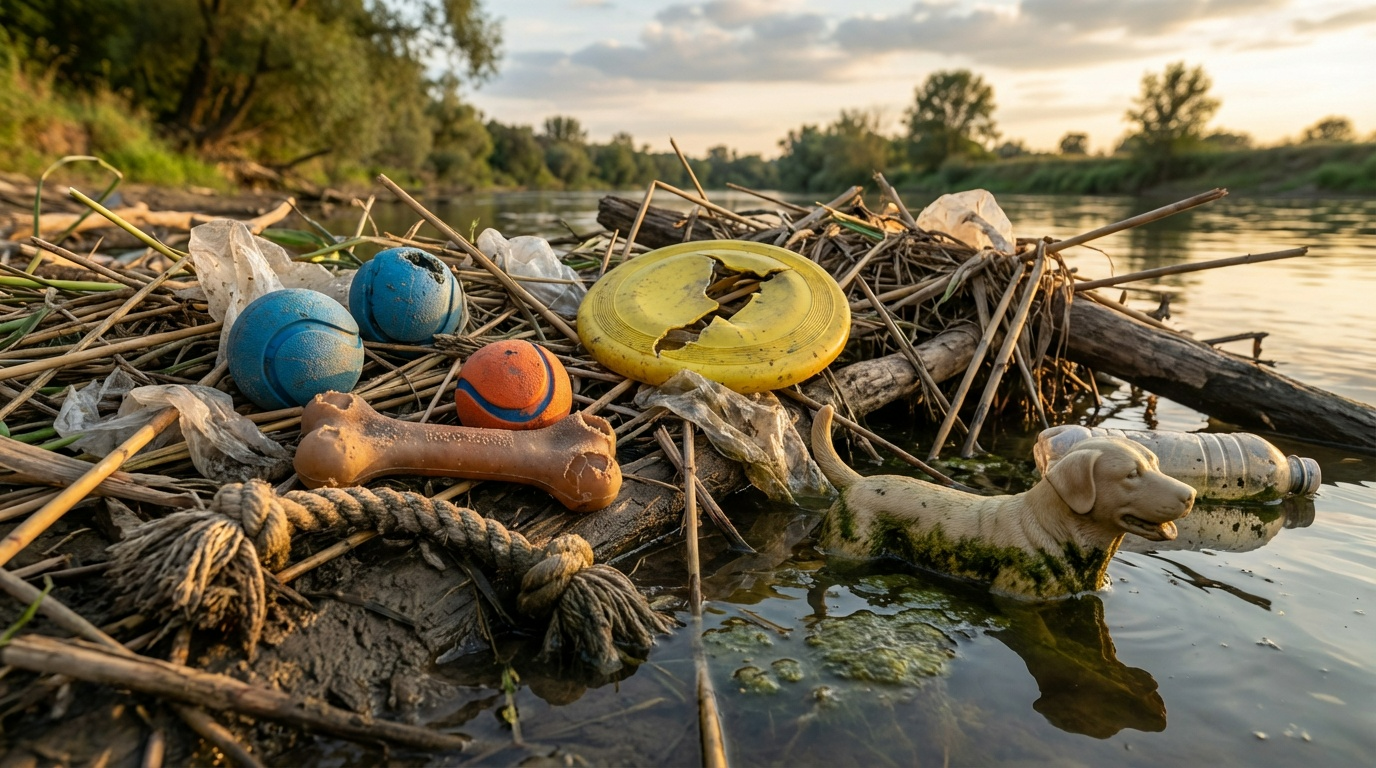
When you bring home a new toy for your Labrador, the last thing on your mind is ocean pollution. Yet many dog toys, especially plastic ones, eventually become part of the global waste stream. Although small in size, plastic Labrador toys contribute significantly to long-term environmental pollution. These toys break apart, degrade into microplastics, and travel through waterways into oceans where they cause widespread harm to marine life. Understanding how this process unfolds allows owners to make mindful, sustainable choices that protect the environment without compromising their dog’s happiness.
Labradors are known for their energy and powerful jaws. They chew hard, tug vigorously, and carry toys everywhere. Over time, even the strongest toys begin to shred, crack, or crumble. When these plastic fragments escape into the environment—whether through outdoor play, garbage disposal, or household runoff—they join the millions of tons of plastic waste that move toward the ocean each year. Although you may throw a damaged toy in the trash, its journey doesn’t end in a landfill. Wind, rain, and poor waste management allow plastics to travel far beyond their intended disposal sites.
Many dog owners feel powerless when they learn how plastic Labrador toys contribute to pollution. However, awareness is the first step toward meaningful change. Once you understand how these toys enter the ocean and the damage they cause, you can choose better materials, reduce plastic consumption, and inspire others to protect the planet. Every responsible decision helps limit the growing crisis of ocean pollution—and Labradors can still enjoy safe, durable toys made from eco-friendly alternatives.
Why Plastic Labrador Toys Are a Hidden Contributor to Pollution
Plastic dog toys are made from materials designed for durability, not biodegradability. Common plastics such as PVC, nylon, polyethylene, and synthetic rubber remain in the environment for centuries. Although these materials make toys strong and long-lasting, they also make them harmful when discarded. Over time, sunlight, friction, and chewing cause plastic Labrador toys to break into smaller pieces. These pieces are too small to collect and begin a journey that often ends in the ocean.
Because Labradors enjoy carrying toys outdoors, many toy fragments end up in yards, parks, or water channels. Even a small plastic chip left behind after play can wash into storm drains and rivers. Once plastics enter natural waterways, they become almost impossible to remove. They drift, float, and break down into microplastics that marine animals mistake for food.
Another overlooked factor is packaging. Most plastic Labrador toys come wrapped in additional plastic—clamshells, shrink wrap, or coated tags. These packaging materials often end up in municipal waste streams and eventually move toward oceans. When combined, toy fragments and packaging form a sizeable portion of harmful plastic debris.
How Plastic Labrador Toys Travel From Homes to Oceans
It may seem strange that something in your living room eventually pollutes the ocean, but the path is surprisingly direct. Several routes help plastic Labrador toys move from homes into waterways. Understanding these paths helps prevent unnecessary waste.
One common route is stormwater runoff. Pieces of plastic left outdoors travel quickly during rainfall. They wash into gutters, drains, and drainage ditches. From there, they enter stormwater systems that lead directly to rivers or coastlines without filtration. Even areas far inland contribute to ocean pollution because river systems connect vast regions.
Improper waste disposal adds another route. When dog owners throw old plastic toys into household trash, they assume they’ll remain contained in landfills. However, many landfills are uncovered or poorly managed. Strong winds, rainfall, and erosion move lightweight plastics into the environment. Animals may also carry off plastic pieces, spreading them further.
Recycling offers little relief because most plastic Labrador toys cannot be recycled. They contain mixed polymers, dyes, and embedded squeakers that recycling facilities cannot process. As a result, they still end up in general waste streams where they eventually leak back into the environment.
Public spaces also contribute. Labrador owners frequently bring toys to parks, beaches, and hiking trails. A dropped toy or broken piece can easily remain unnoticed and get swept into waterways. Because Labs love water, toys frequently end up in lakes, rivers, and ponds during play. If not retrieved, these toys drift downstream until they reach the ocean.
The Breakdown Process: How Plastic Labrador Toys Become Microplastics
Once in the environment, plastic Labrador toys undergo a slow but destructive breakdown process. Sunlight causes photodegradation, making plastics brittle. Temperature changes, water movement, and biological activity fragment toys into microplastics. These microplastics measure smaller than five millimeters, making them nearly invisible to the naked eye.
Microplastics absorb toxins such as oil, pesticides, and industrial chemicals. When marine animals ingest them, toxins enter the food chain. Because microplastics resemble plankton or fish eggs, they attract fish, birds, turtles, and marine mammals. Studies show microplastics in every part of the ocean—from shallow coastlines to deep-sea trenches.
Plastic Labrador toys contribute to this crisis because their materials break down easily under environmental stress. Soft plastics and synthetic rubber crumble faster than rigid materials. Chew marks accelerate degradation because weakened surfaces break apart more readily. Once fragmentation begins, removing microplastics becomes nearly impossible.
How Ocean Pollution From Plastic Labrador Toys Affects Marine Life
Marine animals suffer greatly from ocean pollution caused by plastic Labrador toys and other plastic debris. Fish ingest microplastics, which fill their stomachs and prevent proper nutrition. Sea turtles mistake floating plastics for jellyfish, consuming them until they choke or starve. Seabirds collect plastic fragments to feed their young, unaware of the harm they cause.
Larger pieces of plastic also entangle animals. Nets, ropes, and hard plastic parts trap whales, seals, and dolphins. Although dog toys may seem small, rope toys with synthetic fibers unravel into dangerous strands. These fibers wrap around marine animals, restricting movement and causing injury.
Plastic pollution disrupts ecosystems, too. Coral reefs weaken when covered in plastic debris. Polluted beaches suffer reduced biodiversity. Food chains collapse when microplastics accumulate at every level. Although plastic Labrador toys represent a small portion of global waste, their contribution remains part of a large, interconnected problem requiring urgent attention.
Why Labradors Increase Plastic Waste Rates Compared to Smaller Breeds
Labradors are strong, active dogs with high energy levels. They chew harder, break toys faster, and require more durable products than smaller breeds. Their bigger size means toys must be larger and thicker to prevent choking hazards. Ironically, thicker plastics often create more pollution because they break down into more fragments over time.
Many Labradors destroy toys quickly due to their intense chewing style. Once a toy breaks, owners often discard it and purchase replacements. This cycle results in frequent plastic waste. When you consider the millions of Labradors worldwide, the cumulative impact becomes substantial.
Additionally, Labradors often play outdoors. They love the beach, lakes, and muddy fields. Outdoor play increases the likelihood of toy loss or fragmentation in nature. Small plastic pieces blend into the environment easily, making retrieval difficult. Over time, these pieces join the global plastic stream.
How Manufacturing of Plastic Labrador Toys Contributes to Pollution
Pollution occurs long before toys reach your home. Manufacturing plastic Labrador toys generates emissions, chemical waste, and synthetic materials that harm ecosystems. Production facilities often release microplastics into water systems during manufacturing. These microplastics bypass waste treatment filters and enter rivers and oceans.
Dyes, coatings, and chemical additives worsen pollution. Phthalates, BPA, and PVC chemicals leach into water and soil. Even when companies follow safety standards, accidental spills and runoff still occur. The carbon footprint of producing plastic Labrador toys is also significant. Each toy requires energy, extraction of raw materials, and transportation.
Although manufacturing improvements continue, plastic-based products will always leave a notable environmental footprint. Choosing alternatives reduces pollution at every stage: production, use, and disposal.
Eco-Friendly Alternatives to Plastic Labrador Toys
The good news is that sustainable toy options now exist for Labrador owners. Choosing eco-friendly alternatives reduces plastic Labrador toys pollution dramatically. Many companies use natural, biodegradable, or recycled materials to create durable toys.
Natural Rubber Toys
Natural rubber is biodegradable and strong enough for heavy chewers. These toys last long and break down safely when discarded.
Hemp Rope Toys
Unlike synthetic rope, hemp rope biodegrades naturally. It withstands tug play and poses fewer environmental risks.
Recycled Fabric Toys
Fabric toys made from recycled cotton or polyester reduce reliance on new plastic materials. They work well for gentle chewers.
Wooden Toys
Hardwood chew toys crafted from sustainable forests provide safe chewing alternatives. They leave no harmful residue.
BPA-Free Recycled Plastic Toys
Although still plastic, these toys reuse existing materials and reduce new plastic production.
Switching to eco-friendly toys supports sustainability while still giving Labradors mental stimulation and physical exercise.
How Labrador Owners Can Reduce Plastic Pollution at Home
Small changes create big differences. Labrador owners can significantly reduce plastic waste by adopting mindful habits. One effective method is toy rotation. Instead of buying numerous toys at once, rotate a small selection. This keeps play interesting and slows down wear.
Repairing toys extends their lifespan. Sewing fabric toys, replacing stuffing, or trimming damaged edges reduces waste. Labradors don’t mind imperfect toys—they enjoy the familiarity.
Proper disposal also matters. Instead of tossing toys into open bins, secure them in tied bags. This prevents fragments from blowing into the environment. Some recycling centers accept specific plastics, so check local guidelines.
Finally, avoid toys with excessive packaging. Minimal packaging reduces plastic waste immediately. Many eco-friendly brands already use compostable or recyclable packaging.
The Global Impact of Plastic Labrador Toys Pollution
Although one toy may seem insignificant, global consumption tells a different story. The pet industry generates billions of toys annually. Even if a small percentage ends up in oceans, the impact is enormous. Plastic Labrador toys pollution contributes to:
- Declining marine populations
- Coral reef degradation
- Microplastic contamination in seafood
- Polluted coastlines
- Economic losses for fishing and tourism industries
Ocean pollution affects every person on the planet. Microplastics found in water sources eventually enter our bodies. By reducing plastic waste at home, Labrador owners help protect global ecosystems.
Raising Awareness: Labrador Owners as Influential Environmental Advocates
Pet owners form a powerful community. When Labrador owners choose eco-friendly toys, their actions influence brands and retailers. Companies respond to consumer demand by offering sustainable products. Social media also amplifies awareness. Sharing tips, reviews, and sustainability successes encourages others to adopt greener habits.
Veterinarians, trainers, and pet influencers can also educate owners about plastic Labrador toys pollution. When leaders within the pet community promote change, widespread improvement follows.
Taking responsibility doesn’t require perfection. Even one eco-friendly choice reduces pollution. The more owners participate, the stronger the collective impact becomes.
Conclusion
Plastic Labrador toys pollution poses a real threat to oceans, wildlife, and the environment. Toys that bring joy to our dogs can unintentionally harm ecosystems when they break, degrade, or get discarded improperly. Fortunately, every Labrador owner can make simple, meaningful changes. Choosing eco-friendly toys, disposing of plastic responsibly, and reducing unnecessary waste help protect oceans for future generations. With intention and awareness, you can give your Labrador a great life while caring for the planet at the same time.
FAQ
- Why do plastic Labrador toys end up in the ocean?
They break into fragments, escape through runoff or landfills, and travel through waterways to the ocean. - Are plastic dog toys recyclable?
Most are not due to mixed materials and embedded components. - What toy materials are safest for the environment?
Natural rubber, hemp, wood, and recycled fabrics are excellent eco-friendly alternatives. - How can I reduce plastic waste from my Labrador’s toys?
Choose durable toys, repair broken ones, buy minimally packaged products, and select sustainable materials. - Do microplastics from dog toys harm marine life?
Yes. Marine animals ingest microplastics, which disrupt ecosystems and food chains.