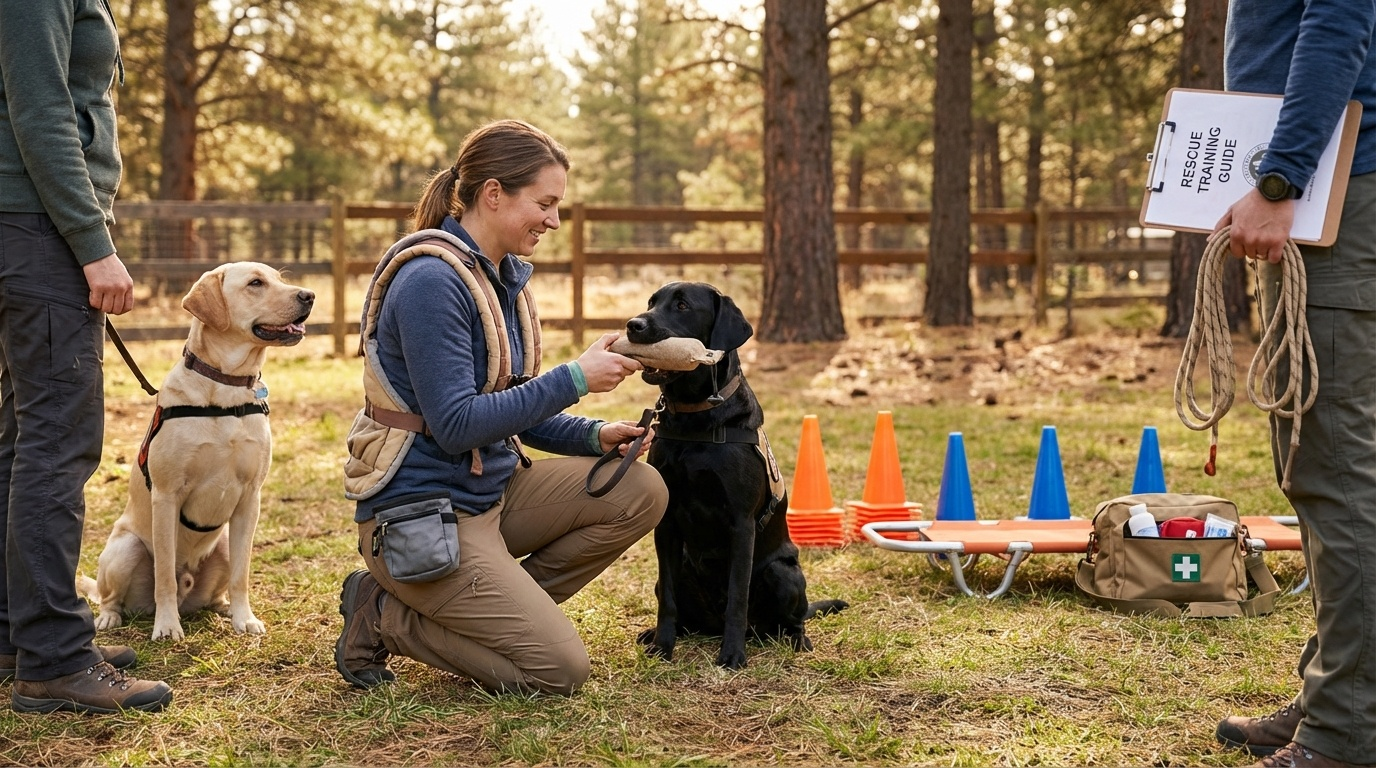
Rescue Labradors arrive in our homes with stories we may never fully know. Some have faced neglect, while others experienced confusion after multiple rehoming transitions. Because of these challenges, many new owners wonder how to train these dogs without adding pressure or fear. Gentle rescue Labrador training helps you solve that problem by guiding your dog with trust, patience, and reinforcement-based methods that support emotional healing.
Training a rescue Lab is different from training a puppy with a clean slate. These dogs often carry memories—some good, some painful. Their reactions reveal their past experiences, yet they also show incredible capacity to adapt when treated with kindness. Gentle reinforcement acknowledges this emotional complexity. You nurture cooperation rather than demand obedience. You build safety before structure. You teach through encouragement rather than correction.
The beauty of this training approach appears slowly but powerfully. Your Labrador begins leaning in, not pulling away. Hesitation transforms into curiosity. Fear softens into confidence. And because Labradors naturally thrive on connection, gentle techniques resonate deeply with their temperament. They want to bond. They want to learn. They simply need a training style that honors where they are today.
Why Gentle Rescue Labrador Training Works So Effectively
Rescue Labradors don’t need force to learn. They need reassurance. Gentle reinforcement becomes the bridge between caution and trust. It shows them that good behavior leads to rewarding experiences, not stressful ones. Because their emotional history may include inconsistent rules or harsh discipline, this softer approach helps reset expectations in a healthier way.
Positive reinforcement also supports the Labrador’s natural desire to please humans. They respond enthusiastically to rewards, especially when delivered with warmth and clarity. Since gentle training focuses on rewarding desirable behavior, your Lab quickly understands what earns praise. This clarity lowers anxiety and feels predictable, which is incredibly important for rescue dogs.
Another benefit appears as you work consistently. Rescue Labradors learn to anticipate positive outcomes. Their nervous systems settle. Their stress reactions diminish because your training communicates safety. Even small successes accumulate and form a foundation for deeper learning. Over time, this builds resilience and emotional stability.
Building Trust Before Training Begins
Before asking for any structured behavior, your Labrador needs space to feel safe in the home. Trust isn’t automatic for rescue dogs. It grows from how you move, speak, and interact. Gentle rescue Labrador training starts long before commands—training begins with presence.
Create a Calm, Predictable Environment
Dogs feel calmer when they understand what comes next. Rescue Labradors thrive with routines. Consistent feeding times, predictable walks, and peaceful resting spots help them relax. Because unpredictability often triggers anxiety, routine acts like a soft anchor.
Using gentle transitions also matters. Speak softly. Move slowly. Offer choices instead of forcing interactions. These small adjustments teach your Labrador that this new environment is different from anything stressful in the past.
Allow Your Labrador to Set the Pace
Every rescue Labrador opens up differently. Some warm quickly, while others remain cautious for weeks. Let your Lab approach you rather than initiating interaction every time. This space communicates respect. Because you’re not overwhelming them, they begin to see you as safe.
Gentle training depends on emotional readiness. A dog who trusts you learns more easily than one who feels tension.
Reward Connection First
Before rewarding specific behaviors, reward moments of connection. When your Labrador looks at you willingly, walks toward you, or rests near you, offer calm praise. These early reinforcements build the emotional foundation for future commands.
Using Gentle Reinforcement to Shape Behavior
Gentle rescue Labrador training relies on positive associations. Every reward becomes a message: “This behavior leads to something good.” The method is simple but powerful because it reinforces learning without fear.
Use High-Value Rewards
Rescue Labradors often respond best to meaningful rewards. Soft treats, verbal praise, toys, or access to preferred activities all motivate behavior. Because Labs are naturally food-motivated, treats work well. However, mixing rewards keeps training versatile and fun.
Focus on Timing
The reward must happen immediately after the desired behavior. This timing teaches your Labrador which behavior earned the reward. Slow timing creates confusion. Fast timing builds clarity.
Keep Training Sessions Short and Encouraging
Rescue Labs may feel overwhelmed with long sessions. Short, frequent training intervals work far better. End every session on a positive note. This approach boosts confidence and maintains enthusiasm for the next session.
Avoid Harsh Corrections
Because rescue Labradors may have experienced punishment in the past, harsh corrections easily trigger fear. Gentle training avoids yelling, jerking leashes, or physical pressure. Instead, it guides behavior by reinforcing good choices and redirecting unwanted ones.
Teaching Essential Skills Through Gentle Methods
Labradors thrive when learning foundations that help them navigate the world more confidently. Gentle training techniques are ideal for teaching these basics without raising stress.
Teaching Sit
Sit is often the first behavior owners teach, and it’s perfect for positive reinforcement.
Hold a treat near your Labrador’s nose. Move it slowly upward, causing the head to rise. As the head lifts, the body naturally lowers. Once they sit, reward instantly. Use a cheerful voice to mark the behavior.
Because sit is easy to learn, many rescue Labs feel successful early in training.
Teaching Come
Recall builds safety and trust. However, rescue Labradors may hesitate if recall training has been mishandled previously.
Begin indoors. Say your dog’s name in a warm tone. When they glance at you, reward the eye contact. Progress slowly. Add distance once the connection deepens. Eventually, say “Come,” then reward generously when they move toward you.
Teaching Loose-Leash Walking
Some rescue Labradors pull from nerves or excitement. Gentle training uses rewards to slow the pace rather than corrections.
Walk with treats ready. When your Lab walks beside you, reward. If they pull, stop moving. Wait. When they return or loosen the leash, praise and continue. This method communicates structure without tension.
Teaching Leave It
Many rescue Labrador owners worry about unsafe scavenging behavior. “Leave it” protects your dog while keeping training stress-free.
Place a treat under your hand. When your Lab tries to reach it, wait. The moment they back up, reward with a different treat. Over time, they learn that ignoring temptation leads to something better.
Understanding Emotional Triggers in Rescue Labradors
Rescue dogs often carry emotional triggers from their past. Loud noises, fast movements, unfamiliar objects, or certain voices may provoke fear. Recognizing these triggers helps you respond with patience and empathy.
Observe Body Language
Your Labrador communicates constantly through posture, ears, tail, and breathing. Gentle training means learning these signals. When you notice stress—yawning, avoidance, shaking, or pacing—pause the session. Continue only when the dog feels grounded.
Use Desensitization and Counterconditioning
Some fears fade when introduced slowly and paired with positive reinforcement. For example, a Labrador afraid of vacuum noises may gradually relax if exposed to the noise at a distance and rewarded for calm behavior.
This process takes patience but leads to lasting progress.
Offer Safe Retreat Spaces
Your Labrador should have access to quiet areas where they can decompress. A bed tucked in a corner or a cozy crate can act as a refuge. When dogs control their environment, training becomes more effective.
Why Consistency Matters in Gentle Rescue Labrador Training
Consistency is one of the strongest elements of gentle reinforcement. Rescue Labradors crave structure because it gives them emotional clarity. When you reward the same behaviors every time, your dog learns more quickly. Consistency also reduces stress because expectations feel predictable.
Even family members should use the same cues, tone, and reward system. Mixed signals confuse rescue dogs and slow progress. When everyone follows the same training routine, your Labrador becomes more confident.
Strengthening the Bond Through Compassionate Training
Gentle rescue Labrador training does more than teach obedience. It nurtures emotional connection. Every soft cue, reward, and encouraging interaction adds another layer of trust. Labradors are affectionate, eager learners who thrive on relationships rooted in patience.
When owners train gently, they communicate understanding. This dissolves fear. It brightens curiosity. It repairs emotional gaps left by past experiences. Rescue Labs respond beautifully because gentle reinforcement matches their emotional needs.
Over time, training becomes less about commands and more about partnership. You’re working together. You’re learning each other’s patterns, rhythms, and comfort zones. This connection transforms your home into a place where healing naturally unfolds.
Conclusion
Gentle rescue Labrador training offers a compassionate, effective path toward confident behavior and emotional healing. By building trust, rewarding positive actions, and reducing fear-based responses, you give your Labrador the structure and safety they need to thrive. These methods don’t just create better-trained dogs—they create deeper relationships. Your rescue Labrador learns that this new chapter comes with patience, love, and predictable guidance. Together, you build a bond strong enough to reshape their past and brighten their future.
FAQ
1. Why is gentle reinforcement better for rescue Labradors?
Gentle reinforcement reduces fear, builds trust, and aligns with the emotional needs of rescue dogs.
2. How long does training a rescue Labrador take?
Training varies by dog. Many begin improving within weeks, while deeper progress takes months.
3. What if my rescue Labrador is afraid of training?
Slow the pace, reward small steps, and focus on building trust before introducing new skills.
4. Can gentle training fix behavioral problems?
It can improve many issues by replacing fear-driven behavior with confidence and clarity.
5. Should I hire a trainer for my rescue Labrador?
A positive-reinforcement trainer helps guide challenging cases and supports consistent progress.