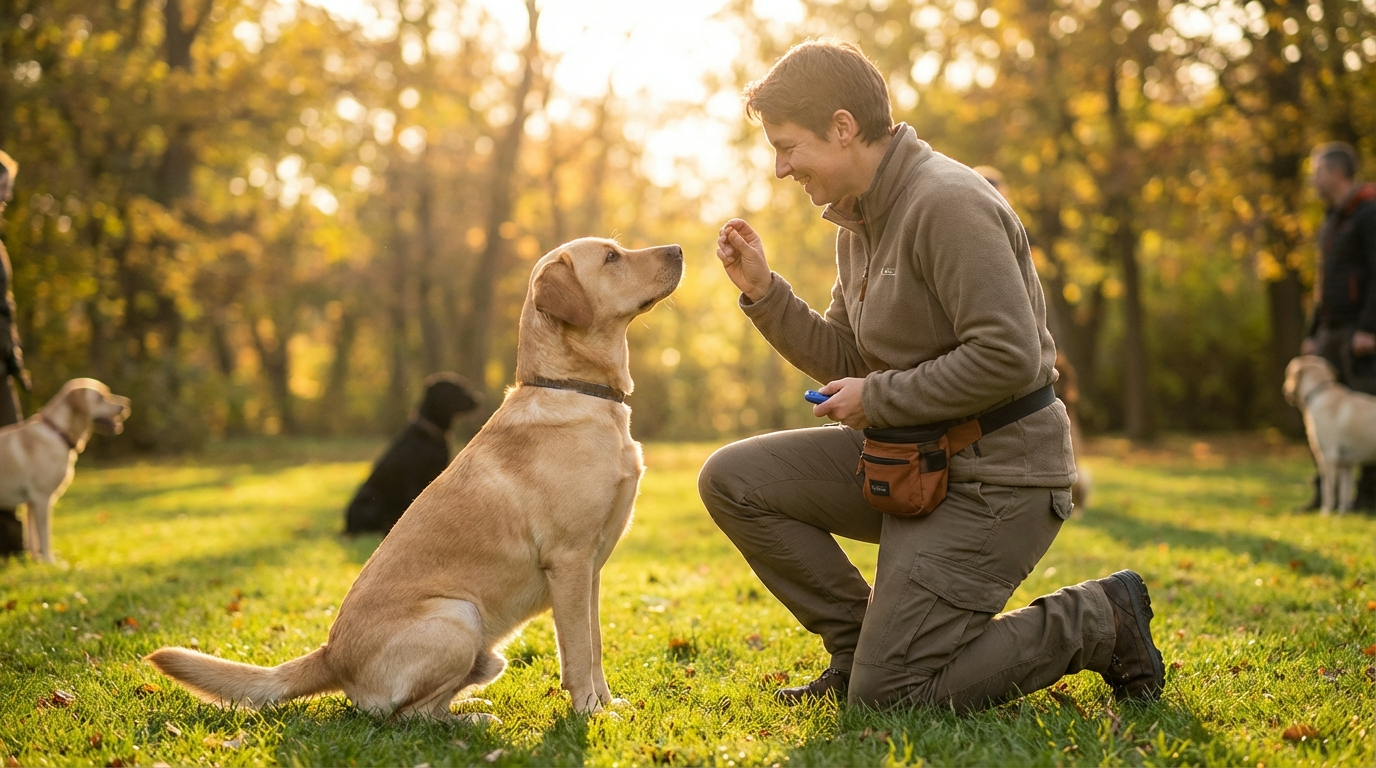
Training is often framed as obedience. Sit. Stay. Heel. Yet for Labradors, training is something far deeper. It is a conversation. A shared language. A bridge between two very different minds learning to meet in the middle.
The training bond with Labradors forms quietly. It grows in moments of focus, patience, and mutual understanding. Every cue answered builds confidence. Every success strengthens trust. Over time, training stops feeling like instruction and starts feeling like teamwork.
Labradors are uniquely wired for this process. They crave connection. They read emotion well. When training is handled thoughtfully, it becomes one of the most powerful tools for building a lifelong bond.
Why Labradors are especially responsive to training
Labradors were bred to work closely with humans. That history shapes how they learn today. Cooperation is embedded in their nature.
They seek approval instinctively. A calm voice or gentle praise carries weight. Because of this, the training bond with Labradors develops faster than with many breeds.
However, enthusiasm cuts both ways. Labradors can become overstimulated easily. Without guidance, energy spills over into jumping, pulling, or distraction.
Training channels that energy. Structure gives purpose. When a Labrador understands expectations, anxiety fades. Confidence replaces chaos.
This clarity strengthens the relationship on both sides.
How training creates a shared language
Communication forms the core of any bond. Training provides a vocabulary that both species understand.
Commands are not about control. They are signals. Clear cues reduce confusion. Predictability builds safety.
The training bond with Labradors deepens when signals remain consistent. Dogs relax when outcomes feel reliable. Trust grows when expectations stay fair.
Over time, communication becomes subtle. A glance replaces a command. Body language carries meaning.
That silent understanding feels powerful because it is earned.
Trust as the foundation of effective training
Trust precedes obedience. Labradors respond best when they feel secure.
Harsh corrections fracture trust quickly. Even subtle frustration registers. Labradors internalize emotional tone easily.
Positive reinforcement strengthens the training bond with Labradors naturally. Rewards confirm safety. Praise reinforces partnership.
Mistakes become learning moments rather than conflicts. When dogs feel safe to fail, progress accelerates.
Trust transforms training from a task into a relationship.
Training as quality time, not obligation
Time spent training counts as engagement. Focused attention matters.
Five mindful minutes outweigh an hour of distracted repetition. Labradors thrive on presence.
The training bond with Labradors grows strongest during intentional sessions. Phones down. Voices calm. Energy steady.
This shared focus mirrors play and affection. Training becomes another way to connect.
Consistency matters more than duration. Regular interaction builds rhythm.
That rhythm creates security.
Emotional regulation through structured learning
Labradors feel deeply. Without guidance, emotions overwhelm easily.
Training introduces structure. Structure creates predictability. Predictability calms the nervous system.
The training bond with Labradors strengthens when emotional regulation improves. Dogs learn to pause. To think. To respond rather than react.
Impulse control emerges gradually. Sit becomes patience. Stay becomes trust.
These skills spill into daily life. Calm replaces chaos.
Bonding improves as frustration decreases.
Confidence building through achievable challenges
Success builds confidence. Labradors need achievable goals.
Training tasks should stretch gently. Overwhelming challenges erode confidence.
The training bond with Labradors strengthens when difficulty increases gradually. Small wins accumulate.
Each mastered skill reinforces belief. Confidence reduces fear-based behavior.
A confident dog trusts guidance. A confident owner trusts communication.
Mutual confidence anchors the bond.
Why consistency matters more than perfection
Perfection is unnecessary. Consistency matters far more.
Labradors adapt quickly when rules stay stable. Inconsistency breeds confusion.
The training bond with Labradors thrives when cues remain clear. Mixed signals weaken trust.
Calm repetition builds reliability. Correction through clarity works better than intensity.
Progress appears uneven sometimes. That is normal.
Consistency smooths the path.
Training strengthens emotional awareness
Dogs read human emotion effortlessly. Labradors excel at it.
Training heightens emotional awareness on both sides. Owners learn to manage tone. Dogs learn to interpret cues.
The training bond with Labradors benefits when emotions stay regulated. Calm energy fosters learning.
Frustration disrupts communication. Patience restores flow.
Training teaches emotional literacy quietly.
Understanding deepens naturally.
The role of positive reinforcement in bonding
Rewards reinforce connection. Food motivates Labradors easily. Praise matters just as much.
Positive reinforcement builds association. Training becomes enjoyable.
The training bond with Labradors strengthens when sessions feel rewarding rather than stressful.
Joy accelerates learning. Anticipation replaces avoidance.
Dogs lean in instead of pulling away.
That eagerness reflects trust.
Why punishment damages the bond
Punishment suppresses behavior temporarily. It damages trust permanently.
Labradors internalize negative experiences deeply. Fear interrupts learning.
The training bond with Labradors weakens under punishment. Confusion replaces clarity.
Corrections should guide, not intimidate. Redirection teaches better than reprimand.
Bonding depends on safety.
Trust thrives in kindness.
Training as mental enrichment
Mental stimulation matters as much as physical exercise. Labradors need both.
Training challenges the brain. Focus burns energy efficiently.
The training bond with Labradors strengthens through shared problem-solving. Minds engage together.
Mental enrichment reduces destructive behavior. Boredom fades.
A stimulated dog feels content.
Contentment enhances connection.
Strengthening recall through trust
Recall tests trust directly. Coming when called requires confidence.
Labradors respond best when recall feels safe and rewarding.
The training bond with Labradors supports strong recall. Dogs return because they want to, not because they fear consequences.
Reliable recall builds freedom. Freedom builds happiness.
That freedom strengthens trust further.
Training during adolescence and its impact
Adolescence tests patience. Labradors push boundaries.
Consistency matters most during this stage. Training stabilizes the relationship.
The training bond with Labradors can weaken temporarily during adolescence. Persistence restores it.
Clear guidance reassures confused minds.
Bonding survives turbulence through calm leadership.
How training supports off-leash confidence
Off-leash reliability depends on trust.
Training establishes communication even at distance. Labradors check in naturally.
The training bond with Labradors deepens when freedom feels safe.
Confidence grows when recall holds strong.
Freedom becomes shared responsibility.
Connection remains intact.
Training strengthens mutual respect
Respect flows both directions. Dogs respect clarity. Humans respect responsiveness.
Training teaches boundaries kindly.
The training bond with Labradors reflects mutual respect. Dogs listen. Owners observe.
Understanding replaces force.
Partnership replaces hierarchy.
Why short sessions outperform long drills
Attention spans matter. Labradors focus best in short bursts.
Training bond with Labradors strengthens through frequent, brief sessions.
Ending on success reinforces positivity.
Overtraining causes frustration.
Momentum builds through pacing.
Integrating training into daily life
Training should not live in isolation. Everyday moments offer opportunity.
Sit before meals. Wait at doors. Recall during play.
The training bond with Labradors grows when learning feels natural.
Life becomes the classroom.
Connection deepens effortlessly.
The long-term impact of early training
Early experiences shape behavior permanently.
Positive early training establishes trust templates.
The training bond with Labradors formed young endures through aging.
Older dogs retain confidence built early.
That foundation supports lifelong stability.
Training as a mirror of your relationship
Training reflects relationship quality.
Smooth communication signals strong bonds. Resistance signals confusion.
The training bond with Labradors reveals emotional alignment.
Adjustment strengthens connection.
Growth remains ongoing.
Why bonding through training lasts longer than play alone
Play excites. Training connects.
Play burns energy temporarily. Training builds understanding.
The training bond with Labradors outlasts novelty.
Shared goals anchor relationships.
Connection deepens with purpose.
Conclusion
Training is not about dominance or control. It is about communication, trust, and shared growth. The training bond with Labradors develops through patience, consistency, and emotional awareness. Each session becomes an opportunity to connect, not correct.
When training aligns with respect, Labradors respond with loyalty, confidence, and joy. The bond strengthens quietly over time, built on understanding rather than force. In the end, training shapes behavior, but more importantly, it shapes relationships that last a lifetime.
FAQ
1. At what age should I start training my Labrador?
Training can begin as early as eight weeks with gentle, positive methods.
2. How long should training sessions last?
Short sessions of five to ten minutes work best for focus and bonding.
3. Can older Labradors still benefit from training?
Yes, training strengthens bonds and confidence at any age.
4. Does training replace playtime?
No, training complements play by adding structure and communication.
5. What training method best strengthens bonding?
Positive reinforcement methods build trust and deepen connection most effectively.