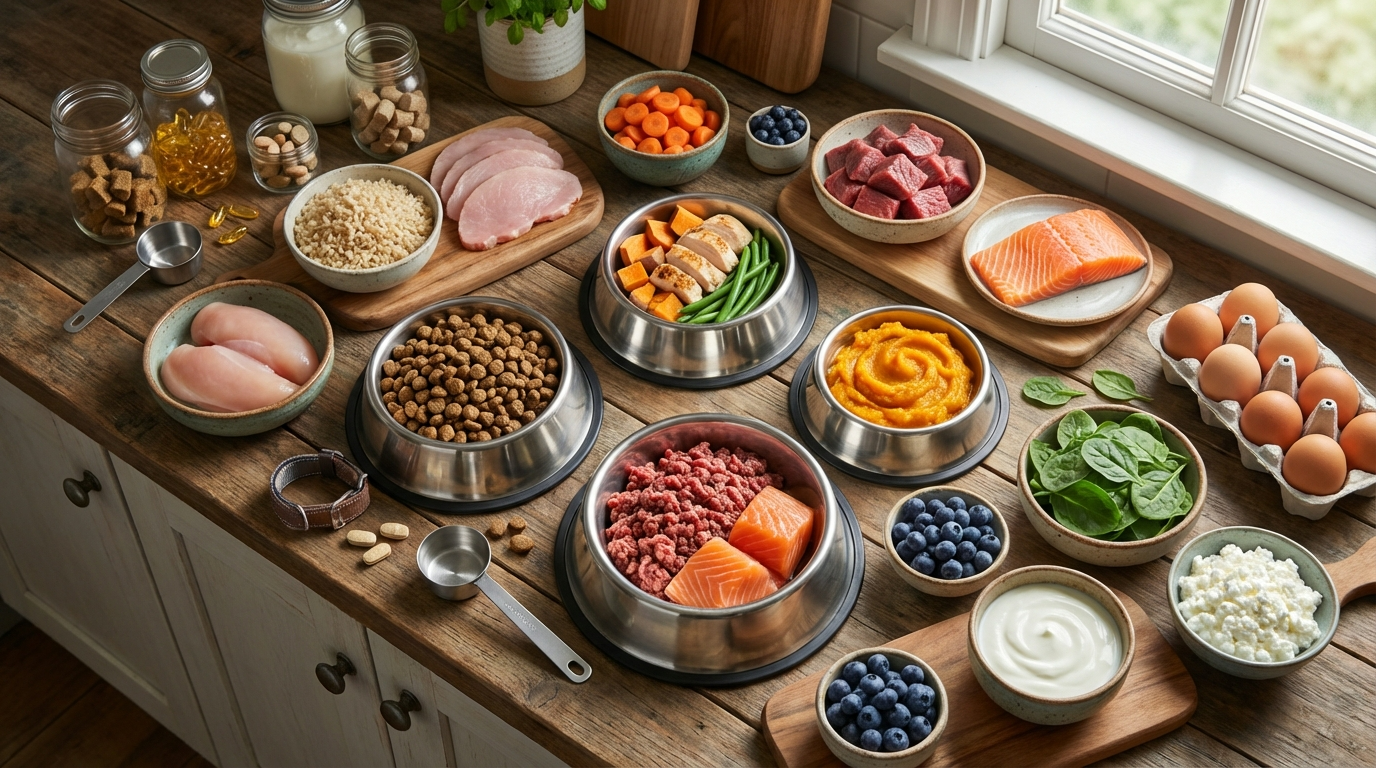
Your Labrador’s diet environmental impact starts quietly, often without notice. A scoop of kibble. A can of wet food. A bag of treats. Each choice feels small. Yet when multiplied across millions of dogs, those choices ripple outward into farms, factories, forests, and oceans.
Labradors are enthusiastic eaters. They are also large dogs with hearty appetites. That combination means their food footprint matters more than many owners realize. Still, understanding the environmental side of feeding does not require guilt or extreme changes.
Instead, it begins with awareness. Once you understand how ingredients are sourced, processed, and transported, smarter decisions become easier. This guide walks you through the connection between your Labrador’s diet and the planet, one practical step at a time.
Why the Labrador Diet Environmental Impact Matters
Food production is one of the largest contributors to global emissions. That reality includes pet food.
The Labrador diet environmental impact is significant because of volume. Larger dogs eat more. Over time, that demand adds up. Protein sourcing, packaging, and waste all play a role.
At the same time, Labradors are family members. Their nutrition must remain balanced and safe. Sustainability never comes at the cost of health.
Fortunately, those goals can coexist. Environmental awareness and responsible feeding often align naturally.
Understanding the Pet Food Supply Chain
To grasp the Labrador diet environmental impact, it helps to follow the journey of food from source to bowl.
Ingredients are farmed or harvested first. They are processed, packaged, transported, and stored. Each step consumes energy and resources.
Animal proteins require land, water, and feed. Plant-based ingredients also require farming inputs. Packaging adds another layer of impact.
When owners understand this chain, choices feel less abstract. Every purchase supports a system.
Animal Protein and Environmental Cost
Protein is essential for Labradors. However, not all proteins carry the same environmental weight.
Beef has one of the highest carbon footprints. It requires large amounts of land and water. Poultry generally has a lower impact. Fish varies depending on sourcing.
The Labrador diet environmental impact increases when diets rely heavily on resource-intensive proteins.
This does not mean removing animal protein entirely. It means choosing sources wisely and balancing intake.
Byproducts and Sustainability
Pet food often includes animal byproducts. These ingredients spark debate, yet they deserve nuance.
Byproducts use parts of animals not consumed by humans. From a sustainability standpoint, this reduces waste.
When sourced responsibly, byproducts can support the Labrador diet environmental impact positively. They make use of existing resources rather than creating new demand.
Quality and transparency matter most here.
Plant-Based Ingredients in Labrador Diets
Plant ingredients affect sustainability differently. Grains, legumes, and vegetables generally require fewer resources than animal proteins.
However, monoculture farming still impacts soil and biodiversity. Transportation adds emissions.
The Labrador diet environmental impact improves when plant ingredients are diverse and responsibly sourced.
Balance remains key. Labradors thrive on mixed diets that meet nutritional needs without excess.
The Role of Ultra-Processed Dog Food
Highly processed foods consume more energy during production. Extrusion, drying, and preservation require heat and machinery.
This increases the Labrador diet environmental impact before food ever reaches shelves.
Less processed options often require fewer resources. Fresh, gently cooked, or air-dried foods may lower energy use depending on scale.
Processing level is an often-overlooked factor in sustainability.
Packaging and the Labrador Diet Environmental Impact
Food packaging matters. Bags, cans, pouches, and liners contribute to waste.
Plastic packaging persists for decades. Recycling options remain limited in many areas.
Some brands now use recyclable or compostable materials. Others reduce packaging volume.
Choosing brands mindful of packaging directly reduces the Labrador diet environmental impact.
Transportation and Food Miles
Where food comes from matters as much as what it contains.
Ingredients sourced globally require long-distance transport. Shipping adds emissions.
Locally sourced ingredients reduce food miles. Regional production supports smaller environmental footprints.
The Labrador diet environmental impact shrinks when supply chains are shorter and more efficient.
Overfeeding and Food Waste
Labradors love food. That enthusiasm sometimes leads to overfeeding.
Excess food production increases demand unnecessarily. Food waste compounds the problem.
Portion control supports health and sustainability together. Feeding appropriate amounts reduces waste at the source.
The Labrador diet environmental impact decreases when consumption matches need.
Treats and Hidden Environmental Costs
Treats often escape scrutiny. Yet they add up quickly.
Many treats are heavily processed and individually packaged. Protein-heavy treats carry similar environmental costs as meals.
Choosing simple, responsibly sourced treats helps reduce impact.
Even small changes matter when repeated daily.
Home-Cooked Diets and Sustainability
Home-cooked diets offer control. Ingredients can be sourced thoughtfully.
Local meats, seasonal vegetables, and reduced packaging lower environmental impact.
However, inefficiency can increase waste if meals are not planned carefully.
The Labrador diet environmental impact improves when home cooking balances nutrition with mindful sourcing.
Raw Diets and Environmental Considerations
Raw diets often rely heavily on animal protein. That increases environmental demand.
Freezing and storage add energy use. Sourcing matters greatly.
While some owners prefer raw feeding, sustainability depends on ingredient choices and scale.
Environmental impact varies widely within this category.
Sustainable Protein Alternatives
Innovation is reshaping pet food.
Insect protein requires less land and water. It produces fewer emissions.
Plant-forward formulas reduce reliance on traditional meats.
While still emerging, these options may lower the Labrador diet environmental impact significantly over time.
Water Use and Pet Food Production
Water scarcity affects ecosystems worldwide.
Animal agriculture uses substantial water resources. Processing and cleaning add further demand.
Water-efficient production methods reduce strain on local environments.
Supporting brands that prioritize water stewardship helps lower overall impact.
Biodiversity and Ingredient Sourcing
Monoculture farming threatens biodiversity. Diverse sourcing supports healthier ecosystems.
When ingredients come from varied farms, environmental resilience improves.
The Labrador diet environmental impact connects directly to land management practices.
Responsible sourcing protects wildlife beyond our homes.
Organic Ingredients and Environmental Trade-Offs
Organic farming reduces chemical use. It supports soil health.
However, organic yields may be lower. Land use can increase.
Organic does not automatically mean sustainable. Context matters.
Evaluating farming practices offers a clearer picture than labels alone.
The Carbon Pawprint Concept
The idea of a carbon pawprint helps frame responsibility.
Just as humans measure footprints, dogs have impact too.
The Labrador diet environmental impact represents a share of household emissions.
Reducing it does not require perfection. Progress counts.
Small Changes That Make a Big Difference
Switching proteins occasionally reduces demand pressure.
Choosing brands with transparent sourcing helps.
Reducing packaging waste adds up.
Portion accuracy matters daily.
Together, these changes reshape impact over time.
Balancing Ethics, Health, and Environment
Feeding decisions feel emotional. Labradors depend on us.
Environmental responsibility should never compromise nutrition.
Ethical feeding aligns health with sustainability.
When choices support all three, everyone benefits.
Reading Labels with Environmental Awareness
Labels reveal sourcing, processing, and packaging information.
Look for clear ingredient origins. Avoid vague claims.
Transparency signals accountability.
Informed reading empowers better decisions.
Supporting Responsible Pet Food Brands
Brands influence supply chains.
Supporting sustainable brands encourages better industry practices.
Consumer demand drives change faster than regulation alone.
Purchasing choices become powerful signals.
The Role of Veterinary Guidance
Veterinarians help balance health and sustainability.
Discuss dietary changes openly. Avoid extremes.
Professional input ensures nutritional adequacy.
Environmental goals work best with expert support.
Community Impact of Sustainable Feeding
Collective action matters.
When many owners choose responsibly, impact multiplies.
Local retailers respond. Brands adapt.
The Labrador diet environmental impact shifts when communities align.
Looking Ahead at Future Pet Nutrition
Pet food innovation continues.
Alternative proteins, improved packaging, and cleaner processing are advancing.
Future Labradors may eat diets far more sustainable than today’s options.
Progress depends on awareness and demand.
Conclusion
The Labrador diet environmental impact reflects everyday choices that quietly shape the world beyond your home. From protein sources to packaging, each decision influences land, water, and emissions. By choosing thoughtfully, reducing waste, and supporting responsible brands, you can lower your dog’s environmental footprint without sacrificing health or joy. Sustainability does not demand perfection. It begins with awareness and grows through consistent, mindful action that benefits Labradors and the planet they love to explore.
FAQ
1. Does my Labrador’s diet really affect the environment?
Yes, food production contributes to emissions, and large dogs increase overall demand.
2. Is plant-based food better for the environment?
It often has lower impact, but nutritional balance must always come first.
3. Are sustainable dog foods more expensive?
Some are, but portion control and waste reduction can offset costs.
4. Can treats significantly increase environmental impact?
Yes, frequent treats add hidden demand and packaging waste.
5. How can I start reducing my Labrador’s diet environmental impact?
Begin with small changes like choosing responsible brands and feeding appropriate portions.