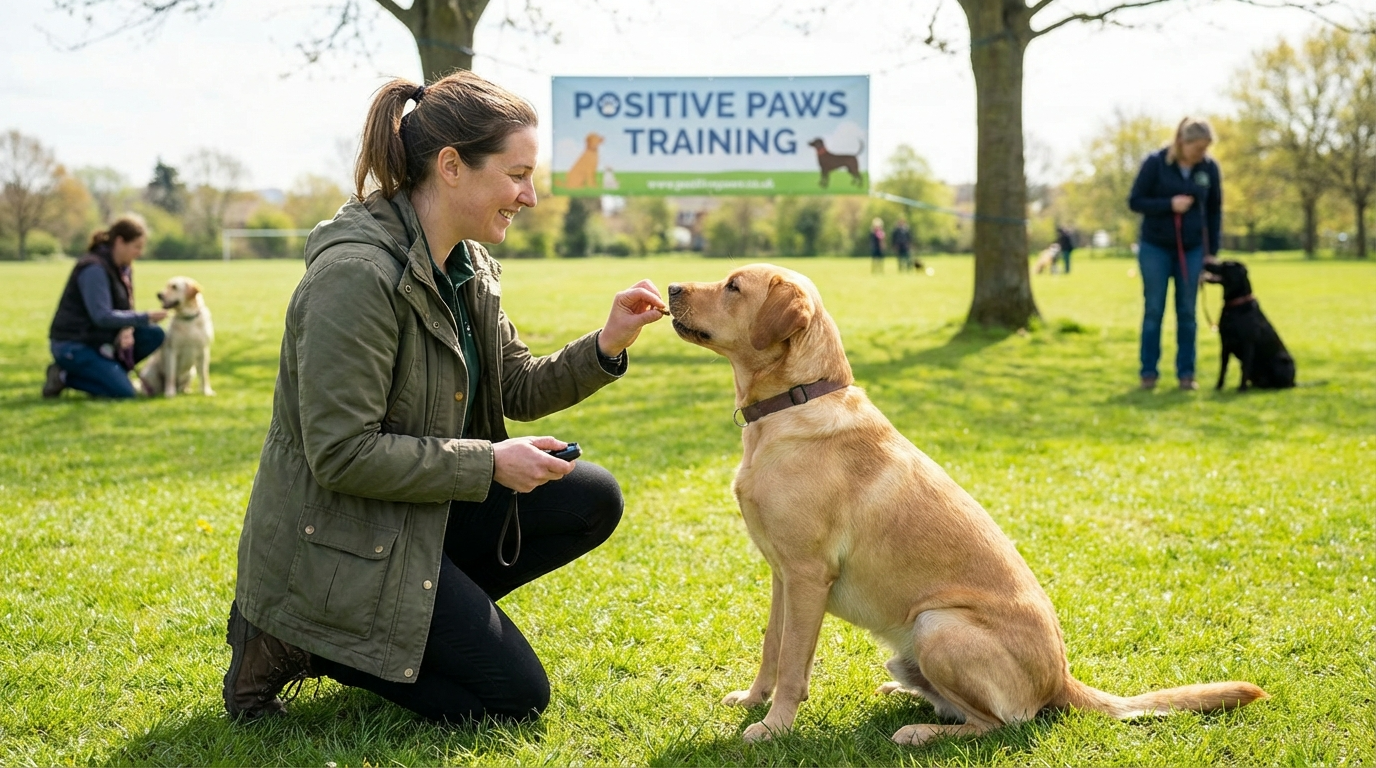
Living with a reactive Labrador can feel like walking through a field of hidden fireworks. One sudden sound, another dog, or an unexpected movement can trigger an explosion of barking, lunging, or pulling. Many owners feel frustrated, embarrassed, or even defeated. However, calm reactive Labradors are not a myth. With the right mindset and training approach, meaningful change is possible.
Reactive behavior is not stubbornness. It is communication. Labradors are expressive, emotional, and deeply social dogs. When they react, they are often overwhelmed, confused, or unsure how to cope. Instead of suppressing that behavior, positive reinforcement helps reshape it gently and effectively.
This article explores how to calm and train reactive Labradors using reward-based methods that strengthen trust, confidence, and emotional control. No harsh tools. No intimidation. Just clear guidance and steady progress.
Understanding reactive behavior in Labradors
Reactivity looks dramatic, yet it usually comes from a simple place. Most Labradors react because their nervous system is overloaded. The stimulus could be another dog, a bicycle, strangers, or loud noises. Once the threshold is crossed, rational thinking disappears.
Many calm reactive Labradors start as sensitive puppies. Genetics, early socialization gaps, or past negative experiences often play a role. Even well-loved dogs can develop reactive patterns over time.
Importantly, reactivity is not aggression. Aggression has intent. Reactivity is emotional overflow. Recognizing this difference shifts how training should be approached.
Instead of asking, “How do I stop this?” it helps to ask, “What is my dog feeling right now?” That question changes everything.
Why punishment makes reactivity worse
Corrective methods may seem effective in the moment. Barking stops. Lunging pauses. Calm appears restored. Unfortunately, the internal state of the dog remains unchanged.
Punishment suppresses behavior without resolving emotion. Over time, this creates a pressure cooker effect. Fear increases. Trust erodes. Reactivity often returns stronger and faster.
Positive reinforcement works differently. Calm reactive Labradors learn that safety, rewards, and clarity follow calm choices. Gradually, the nervous system rewires itself. Emotional resilience grows.
Behavior changes last when emotions change first.
The science behind positive reinforcement
Positive reinforcement is not permissive. It is strategic. Behaviors that are rewarded get repeated. Behaviors that are not reinforced fade naturally.
When a Labrador sees a trigger and receives something positive before reacting, the brain begins to associate that trigger with good outcomes. Dopamine replaces cortisol. Curiosity replaces fear.
This process is called counterconditioning. Over time, the trigger loses its power.
Consistency matters more than intensity. Small wins repeated daily create calm reactive Labradors who feel safe navigating the world.
Setting realistic expectations for progress
Reactivity does not disappear overnight. Progress often feels uneven. Good days appear. Setbacks follow. That pattern is normal.
Think of training like physical therapy. Muscles strengthen gradually. Emotional regulation works the same way.
Celebrate subtle changes. Faster recovery times matter. Softer reactions count. Increased focus is progress.
Calm reactive Labradors are built through patience, not pressure.
Identifying your Labrador’s triggers
Effective training starts with observation. Each reactive Labrador has specific triggers. These may include:
- Other dogs approaching head-on
- Fast-moving objects
- Loud or sudden sounds
- Crowded environments
- Tight leashes or restricted movement
Distance matters. Intensity matters. Context matters.
Once triggers are identified, training can begin below the reaction threshold. That zone is where learning happens.
Avoid flooding. Throwing a reactive Labrador into overwhelming situations slows progress.
Mastering threshold awareness
Threshold is the invisible line between awareness and reaction. Below threshold, your Labrador can still think, learn, and respond. Above it, instincts take over.
Signs your dog is nearing threshold include:
- Stiff posture
- Lip licking
- Yawning
- Slowing movement
- Intense staring
Training must happen before the explosion. That is where positive reinforcement shines.
Calm reactive Labradors are shaped in moments of control, not chaos.
Choosing the right rewards
Not all rewards are equal. Reactive situations require high-value reinforcement. Dry kibble often cannot compete with adrenaline.
Use rewards your Labrador truly loves:
- Soft meat treats
- Cheese in small pieces
- Favorite toys
- Praise paired with food
Rewards should appear quickly and consistently. Timing matters more than quantity.
As calm behavior increases, rewards can gradually shift to lower-value options. However, during training phases, generosity accelerates learning.
Teaching focus before addressing triggers
Before working near triggers, foundational skills must be solid. Focus exercises build emotional stability.
Useful skills include:
- Name recognition
- Hand targeting
- Eye contact on cue
- Loose leash walking
- Emergency U-turns
Practice these skills in calm environments first. Success there transfers outward.
Calm reactive Labradors rely on their handler for guidance. That relationship must feel rewarding and safe.
Using distance as a training tool
Distance reduces intensity. It gives the nervous system space to breathe.
When a trigger appears, create distance rather than forcing interaction. Reward calm observation. Mark the moment your Labrador notices the trigger without reacting.
Over time, distance can be reduced slowly. That progression teaches confidence.
Rushing this step leads to setbacks. Steady expansion creates success.
Reframing triggers through counterconditioning
Counterconditioning pairs triggers with positive outcomes. For example, another dog appears, and treats rain from the sky.
The sequence matters. Treats must arrive before the reaction. If barking starts first, learning pauses.
Sessions should be short. End on success. Repetition builds new emotional patterns.
Eventually, calm reactive Labradors begin looking to their handler when triggers appear. That shift signals real progress.
Managing the environment for success
Training works best when stress is managed outside sessions too. Chronic stress slows learning.
Helpful management strategies include:
- Avoiding peak traffic times
- Choosing quiet walking routes
- Using visual barriers
- Providing mental enrichment at home
Mental fatigue reduces reactivity. Puzzle toys, scent games, and training sessions help drain excess energy.
A calmer baseline makes learning easier.
The role of routine and predictability
Labradors thrive on structure. Predictable routines create emotional safety.
Consistent walk times, feeding schedules, and training rituals reduce uncertainty. When the world feels predictable, reactivity decreases.
Calm reactive Labradors often relax faster when they know what to expect.
Structure does not mean rigidity. It means reliability.
Handling setbacks without frustration
Setbacks happen. Progress is not linear.
When reactions occur, avoid emotional responses. Calmly create distance. Reset. Reflect later.
Every setback provides information. Learning from it strengthens future sessions.
Why leash handling matters
Tension travels down the leash. A tight grip signals danger. Relaxed handling communicates calm.
Use a comfortable harness. Avoid choke chains or prong collars. These tools increase stress.
Practice loose leash skills away from triggers first. Then integrate them slowly.
Calm reactive Labradors benefit from clear, gentle guidance through the leash.
Building confidence through choice
Allowing choice builds confidence. Let your Labrador decide to disengage. Reward those decisions.
When dogs feel trapped, reactivity increases. Choice creates empowerment.
Simple options matter. Turning away. Sitting calmly. Checking in.
Confidence grows when dogs feel heard.
Incorporating calm markers and cues
Verbal markers like “yes” or “good” clarify success. Calm cues like “easy” or “with me” guide behavior.
Keep your voice neutral. Excitement raises arousal.
Consistency builds understanding. Over time, cues become emotional anchors.
Supporting emotional recovery after reactions
After a reaction, recovery matters. Give space. Slow movement. Use gentle reinforcement.
Avoid immediately reintroducing triggers. Let the nervous system reset.
Recovery time shortens as emotional resilience grows.
When to seek professional support
Some cases require additional guidance. Certified positive reinforcement trainers or behaviorists offer tailored plans.
Medication may help in severe cases. That option should always involve a veterinarian.
Seeking help is not failure. It is commitment.
Living with calm reactive Labradors long-term
Training does not end. Maintenance matters.
Over time, calm reactive Labradors often surprise their owners. Confidence replaces chaos. Trust replaces tension.
The journey builds more than better behavior. It builds a deeper bond.
Conclusion
Calming and training reactive Labradors is not about control. It is about connection. Positive reinforcement changes behavior by changing emotions first. With patience, consistency, and compassion, reactive responses soften into thoughtful choices. Calm reactive Labradors are not created through force. They emerge through trust, understanding, and steady guidance. The result is a dog who feels safe in the world and a handler who feels confident walking beside them.
FAQ
1. Can reactive Labradors ever become fully calm?
Yes, many Labradors show significant improvement. While perfection is unrealistic, calm and manageable behavior is achievable.
2. How long does positive reinforcement training take?
Timelines vary. Some changes appear within weeks, while deeper progress may take months of consistent practice.
3. Should I avoid all triggers during training?
Avoid overwhelming exposure, but controlled exposure below threshold is necessary for learning.
4. Are treats always required for reactive training?
Treats are essential early on. Over time, praise and life rewards can replace food gradually.
5. Is reactivity caused by lack of exercise?
Exercise helps, but reactivity is primarily emotional. Mental enrichment and emotional safety matter more than physical exhaustion.