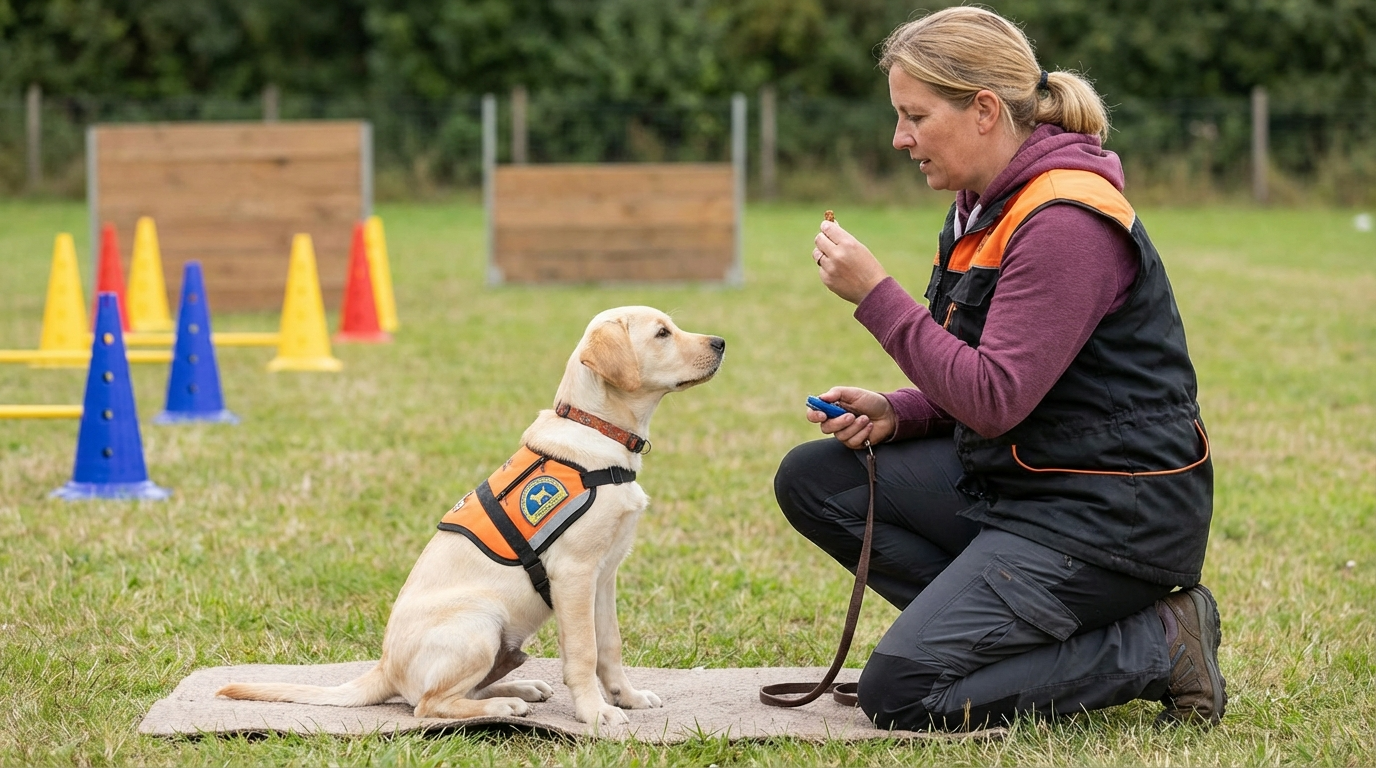
Labrador training habits are not built in a weekend. They are shaped daily, through repetition, patience, and structure. If you want lasting obedience, you need more than commands. You need routines that become second nature to your dog.
Labradors are intelligent, energetic, and eager to please. However, they are also easily distracted. Because of this, consistency matters more than intensity. Short, focused sessions repeated over time create stronger results than occasional marathon training days.
So, how do you build Labrador training habits that actually stick? Let’s explore the foundation, the mindset, and the practical steps that turn lessons into lifelong behavior.
Why Labrador Training Habits Must Be Built Early
Labradors learn quickly. However, they also develop patterns just as fast. If jumping on guests is allowed once, it becomes a habit. If leash pulling works, it will be repeated.
Habits form through repetition. Therefore, early structure matters.
Puppies are especially impressionable. Their brains are like sponges. Because of that, positive routines introduced early often become permanent.
Yet even adult Labradors can reshape behavior. It simply requires patience and consistency.
When Labrador training habits are built intentionally, confusion decreases. Your dog understands expectations clearly. That clarity reduces stress for both of you.
Consistency: The Backbone of Labrador Training Habits
Consistency is not optional. It is essential.
If you allow couch access on weekends but forbid it on weekdays, confusion follows. Dogs thrive on predictable rules.
Every family member must follow the same commands and boundaries. Otherwise, mixed signals undermine progress.
Additionally, timing must be consistent. Reward good behavior immediately. Correct gently but promptly.
Because Labrador training habits rely on repetition, daily practice is more effective than occasional effort.
Small, steady steps build strong foundations.
Using Positive Reinforcement to Strengthen Labrador Training Habits
Labradors respond exceptionally well to rewards. They love praise, treats, and play.
When a behavior is rewarded, it is more likely to be repeated. This simple principle drives habit formation.
However, rewards should be phased gradually. At first, treats reinforce learning. Later, praise and affection maintain the habit.
For example, when teaching “sit,” reward immediately each time. Once consistent, begin rewarding intermittently.
This keeps your Labrador engaged without creating dependency on constant treats.
Positive reinforcement builds trust. Trust builds reliability.
Creating Daily Routines That Support Labrador Training Habits
Structure turns training into lifestyle.
Morning walks can include heel practice. Mealtime can reinforce “sit” and “stay.” Play sessions can teach recall.
When Labrador training habits are woven into daily activities, they become natural.
Additionally, short sessions prevent burnout. Five to ten minutes is often enough.
Consistency in timing also helps. Training at similar times each day creates rhythm.
Dogs understand patterns. When training fits into predictable routines, compliance improves.
Habits thrive in structured environments.
Overcoming Distractions During Training
Labradors are curious by nature. Squirrels, smells, and sounds easily capture attention.
Therefore, begin training in low-distraction environments. Gradually increase difficulty.
For example, teach commands indoors first. Then practice in the yard. Finally, move to public spaces.
This step-by-step exposure builds confidence.
If distraction occurs, redirect calmly. Avoid frustration. Emotional reactions can weaken Labrador training habits.
Patience builds resilience.
The Power of Repetition in Labrador Training Habits
Repetition creates neural pathways. Each successful repetition strengthens understanding.
However, mindless repetition can reduce engagement. Therefore, vary settings while reinforcing the same command.
For example, practice “stay” in different rooms or parks.
Variety strengthens reliability.
When Labrador training habits are reinforced in multiple environments, obedience becomes dependable.
Consistency plus variation equals mastery.
Correcting Mistakes Without Damaging Trust
Mistakes will happen. They are part of learning.
Avoid harsh punishment. Fear disrupts trust and slows progress.
Instead, redirect gently. If your Labrador jumps, ask for “sit.” Then reward compliance.
Correction should be calm and immediate.
Trust must be preserved at all costs. Without it, habits weaken.
Labradors are sensitive to tone. Positive guidance produces better long-term outcomes.
Building Focus Through Mental Stimulation
Mental exercise strengthens training retention.
Puzzle toys, scent games, and problem-solving tasks keep Labradors mentally sharp.
A mentally satisfied dog learns faster.
Additionally, structured play enhances impulse control.
For example, teaching “wait” before retrieving a ball reinforces discipline.
When mental challenges complement Labrador training habits, overall obedience improves.
Training should feel like teamwork, not obligation.
How Long Does It Take to Form Labrador Training Habits?
Habits develop over weeks, not days.
Some commands may stick quickly. Others require months of reinforcement.
Consistency determines speed.
If training stops prematurely, progress may fade. Therefore, ongoing reinforcement remains important.
Even well-trained Labradors benefit from refresher sessions.
Training is not a one-time event. It is a continuous process.
Common Mistakes That Disrupt Labrador Training Habits
Inconsistency ranks first. Mixed signals confuse dogs.
Overtraining can also create frustration. Sessions should end on a positive note.
Additionally, unrealistic expectations may cause discouragement.
Remember, Labradors are enthusiastic learners, but they are not robots.
Patience fosters progress.
Avoid comparing your dog to others. Individual temperament influences pace.
Focus on steady improvement.
Socialization and Its Role in Training
Exposure to new environments shapes behavior.
Socialized Labradors handle distractions better. Confidence reduces reactive responses.
Introduce new sights and sounds gradually.
Positive experiences build stability.
When socialization supports Labrador training habits, obedience becomes reliable in varied settings.
Confidence and structure work together.
Maintaining Motivation Over Time
Even strong habits require maintenance.
Rotate rewards occasionally. Surprise praise reinforces engagement.
Introduce new challenges to prevent boredom.
For example, add duration to “stay” or distance to recall.
Growth keeps training fresh.
Labradors enjoy learning. Keep sessions enjoyable.
When training remains dynamic, habits stay strong.
The Emotional Bond Behind Lasting Labrador Training Habits
Training is not just instruction. It is connection.
When your Labrador trusts you, obedience becomes natural.
Spend time together outside structured sessions. Bonding strengthens communication.
Your tone, posture, and energy influence behavior.
Calm leadership encourages calm response.
Labradors are loyal companions. When they feel secure, habits flourish.
Conclusion: Turning Training Into Lifelong Routine
Labrador training habits that stick are built through consistency, patience, and positive reinforcement. Short, structured sessions repeated daily create lasting obedience.
By integrating training into everyday routines, minimizing distractions gradually, and maintaining trust, you transform commands into automatic behavior.
Remember, progress takes time. However, steady effort produces reliable results.
Your Labrador wants to please you. Guide that willingness with clarity and encouragement. When habits become second nature, both of you enjoy a more balanced and harmonious life.
FAQs
- How long does it take to build Labrador training habits?
Most habits take several weeks of consistent practice to become reliable. - Are treats necessary for training?
Treats help initially, but praise and play can maintain habits over time. - What if my Labrador forgets commands?
Reinforce basics regularly. Refresher sessions strengthen retention. - Can older Labradors develop new habits?
Yes, adult dogs can learn effectively with patience and repetition. - How often should I train my Labrador?
Short daily sessions of five to ten minutes work best for building lasting habits.