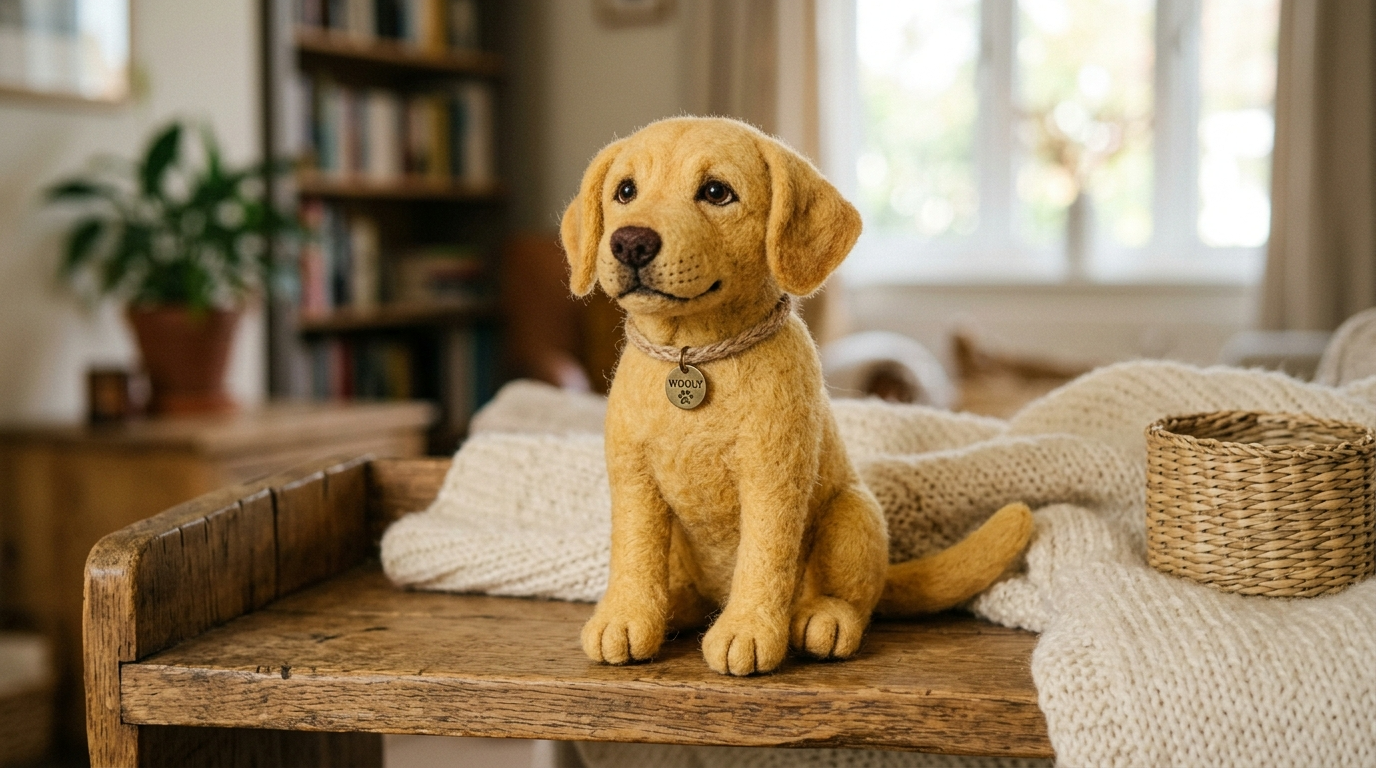
Labradors love to chew, tug, and carry toys everywhere they go. However, many of those toys break quickly and end up in landfills. When owners aim to reduce plastic toy waste, they not only protect the planet but also improve their dog’s safety.
Because Labs are strong chewers, they often destroy low-quality plastic toys within weeks. As a result, replacement cycles become frequent and costly. Instead of constantly buying new items, thoughtful choices help reduce plastic toy waste while maintaining fun and enrichment.
Small adjustments in buying habits can create long-term environmental impact. Moreover, durable alternatives benefit your Labrador’s health and your budget.
Why Plastic Toy Waste Is a Growing Problem
Pet products contribute significantly to household waste. Although individual toys seem small, their combined impact is substantial. Many are made from mixed plastics that resist recycling.
Labradors, in particular, accelerate this issue. Their powerful jaws crack and shred toys quickly. Consequently, broken fragments often cannot be reused.
When owners attempt to reduce plastic toy waste, they slow the demand for disposable products. Less demand encourages manufacturers to explore sustainable materials.
Additionally, discarded toys may contain dyes and chemical additives. These substances can leach into soil and water systems over time.
By making smarter purchases, Labrador owners become part of the environmental solution.
Choosing Durable Toys That Last Longer
Durability plays a major role in sustainability. High-quality rubber or reinforced materials outlast cheap plastics. Therefore, investing in sturdy toys helps reduce plastic toy waste over time.
Look for products designed specifically for aggressive chewers. These toys resist cracking and splitting. Although the upfront cost may be higher, replacement frequency drops significantly.
Furthermore, inspect toys regularly for damage. Removing compromised items prevents ingestion risks and extends product life.
Natural rubber options often outperform brittle plastic. Because they flex under pressure, they resist snapping.
When durability becomes a priority, fewer toys enter the trash.
Exploring Sustainable Material Alternatives
Many companies now offer eco-friendly options. These products use renewable or recycled materials. As a result, they help reduce plastic toy waste without sacrificing performance.
Consider toys made from:
- Natural rubber
- Organic cotton rope
- Hemp fibers
- Recycled ocean plastics
- Biodegradable materials
Although not all alternatives suit heavy chewers, several withstand Labrador strength effectively.
Additionally, some brands operate recycling programs. Returning worn toys keeps materials in circulation longer.
Sustainable sourcing benefits ecosystems while supporting responsible businesses.
Rotating Toys to Extend Lifespan
Constant access to every toy increases wear and tear. Instead, rotate items weekly. This strategy keeps playtime exciting while slowing damage.
When owners rotate toys, Labradors stay mentally engaged. Consequently, each toy experiences less continuous stress.
To reduce plastic toy waste, store unused items in a dry container. Proper storage prevents cracking caused by heat or sunlight.
Regular cleaning also extends lifespan. Wash toys with mild soap and rinse thoroughly. Clean surfaces reduce bacteria buildup and material breakdown.
Simple rotation habits dramatically lower replacement frequency.
Repair Instead of Replace
Minor damage does not always require disposal. In some cases, repairs restore function safely.
For example, rope toys can be retied. Rubber toys with small surface tears may still serve supervised play sessions. However, avoid repairing items with sharp edges.
When safe repairs are possible, you reduce plastic toy waste and maximize value. Additionally, supervised play reduces the risk of swallowing fragments.
If repair seems unsafe, consider repurposing. Some toys work well for scent games or fetch practice even after cosmetic wear.
Creative reuse prevents unnecessary landfill contributions.
Supporting Brands with Eco Commitments
Consumer demand drives industry change. Therefore, research companies that prioritize sustainability.
Brands that aim to reduce plastic toy waste often provide transparency about sourcing and manufacturing. Look for certifications or clear recycling initiatives.
Many eco-conscious companies also minimize packaging. Reduced packaging lowers overall plastic output.
Reading reviews reveals how products perform over time. Durability and sustainability should go hand in hand.
By supporting responsible brands, Labrador owners influence broader production standards.
Buying Fewer but Better Toys
Impulse purchases increase clutter and waste. Instead of buying multiple low-cost toys, invest in a few high-quality items.
To reduce plastic toy waste, focus on enrichment value. Choose toys that stimulate chewing, problem-solving, and exercise.
Multipurpose designs provide extended engagement. For example, treat-dispensing toys combine play and mental stimulation.
Before purchasing, evaluate whether your Labrador truly needs another toy. Sometimes rotation revives interest in existing ones.
Intentional buying habits reduce unnecessary accumulation.
Educating Family Members About Sustainable Play
Household habits shape environmental impact. Therefore, discuss sustainability goals with family members.
Explain why you aim to reduce plastic toy waste. When everyone understands the purpose, consistent choices follow.
Children may enjoy selecting eco-friendly options. Involving them builds long-term awareness.
Additionally, encourage responsible disposal. If a toy must be discarded, separate recyclable components when possible.
Collective effort strengthens results and reinforces environmental responsibility.
Recycling and Proper Disposal Options
Not all plastics qualify for curbside recycling. However, specialized programs accept certain pet products.
Some retailers collect used toys for processing. Research local options before throwing items away.
Although complete elimination remains unrealistic, every effort to reduce plastic toy waste makes progress.
If no recycling exists, dispose responsibly. Avoid leaving broken toys outdoors where wildlife may encounter them.
Responsible disposal protects ecosystems beyond your household.
Encouraging Natural Play Activities
Toys are important, yet they are not the only enrichment source. Labradors thrive on outdoor activities and structured training.
Fetch with natural materials like untreated wooden sticks can provide variety. However, supervise closely to avoid splintering risks.
Training sessions, scent work, and agility drills stimulate your dog without creating additional waste.
When owners focus on interactive play, dependence on disposable toys decreases. Consequently, the effort to reduce plastic toy waste becomes easier.
Balanced enrichment reduces the need for constant product purchases.
Monitoring Environmental Impact Over Time
Track how often you replace toys. Awareness helps identify patterns.
If you notice frequent breakage, reassess material quality. Switching to stronger alternatives may significantly reduce plastic toy waste.
Set small goals, such as cutting purchases in half over six months. Measurable targets encourage accountability.
Additionally, evaluate packaging waste. Bulk purchases with minimal wrapping often reduce plastic exposure.
Gradual improvement remains more sustainable than extreme changes.
Long-Term Benefits for Your Labrador
Reducing plastic use benefits not only the environment but also your dog’s health. Lower-quality plastics may contain chemical additives.
When you aim to reduce plastic toy waste, you often choose safer materials. This decision reduces ingestion risks and chemical exposure.
Durable toys also prevent choking hazards. Broken fragments pose serious dangers to strong chewers.
Moreover, thoughtful purchasing strengthens financial discipline. Money saved from fewer replacements can fund higher-quality nutrition or training.
Sustainable habits create healthier living spaces for both pet and owner.
Building a Sustainable Routine
Sustainability requires consistent habits. Schedule monthly toy inspections. Remove items that show deep cracks or structural damage.
Continue seeking innovative alternatives. Manufacturers constantly develop greener options.
When friends ask for gift ideas, suggest eco-friendly toys. Clear communication prevents unwanted plastic clutter.
Although perfection is impossible, commitment matters. Every small effort to reduce plastic toy waste contributes to long-term environmental stability.
Responsible ownership extends beyond feeding and training. It includes mindful consumption.
Conclusion
Labrador owners hold powerful influence through everyday decisions. By choosing durability, rotating toys, supporting eco-conscious brands, and repairing when possible, you actively reduce plastic toy waste. These small changes protect the environment while enhancing your dog’s safety.
Sustainable habits do not require sacrifice. Instead, they promote thoughtful purchasing and creative play. When you prioritize quality over quantity, your Labrador still enjoys rich stimulation. Meanwhile, the planet benefits from fewer discarded plastics. Through steady action and informed choices, you create a cleaner future for both your loyal companion and the world you share.
FAQ
- Are eco-friendly toys strong enough for Labradors?
Many natural rubber and reinforced rope options withstand heavy chewing when designed for large breeds. - How often should I replace my dog’s toys?
Replace toys only when structural damage creates safety risks. Regular inspection helps determine timing. - Can broken plastic toys be recycled?
Some specialty programs accept them, but availability varies by region. Check local recycling services. - What are safer alternatives to hard plastic chew toys?
Natural rubber, hemp rope, and durable silicone often provide safer, longer-lasting options. - Does reducing toy purchases affect my dog’s happiness?
Not at all. Rotating quality toys and increasing interactive play keeps Labradors mentally satisfied.