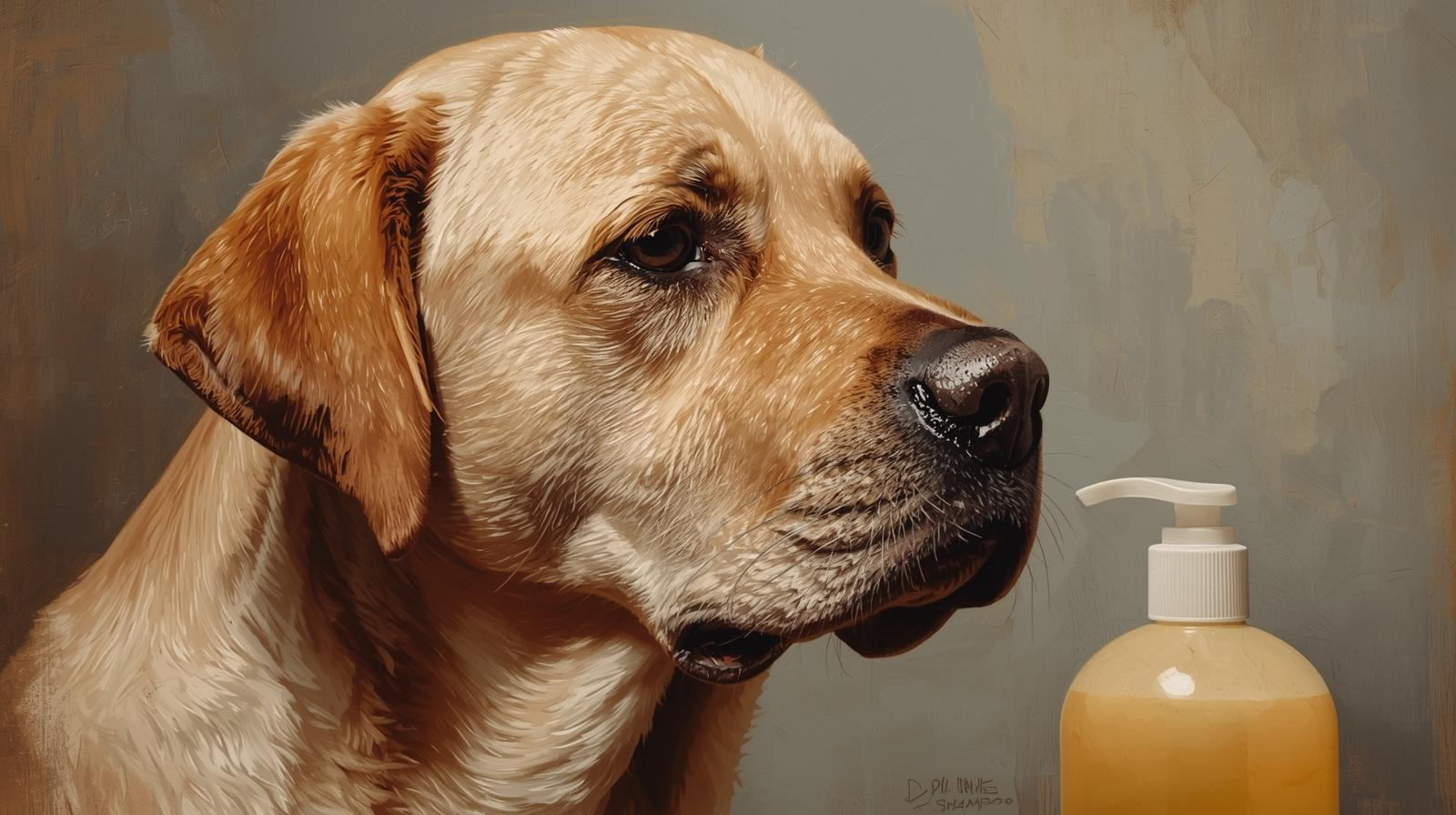
You give your Labrador a bath expecting them to come out clean, soft, and smelling fresh—but instead, they start scratching like crazy. Their skin turns red, maybe they lick their paws, or you notice small bumps forming along their belly or neck. Sound familiar? Your Labrador might be allergic to shampoo, and it’s more common than many dog owners realize.
Labradors have sensitive skin hidden beneath that beautiful double coat, and harsh ingredients can trigger irritation almost instantly. The good news? Once you recognize the signs and know what to look for in a shampoo, you can soothe your Lab’s skin and prevent future flare-ups.
Let’s uncover how to spot shampoo allergies in Labradors and explore the safest solutions for restoring their comfort and coat health.
Understanding Why Labradors Are Sensitive to Shampoos
Labradors are known for their love of swimming, rolling in grass, and outdoor adventures. Their coats are built to handle the elements—but their skin is surprisingly delicate. Unlike humans, dogs have a thinner protective barrier and a higher skin pH, making them more vulnerable to irritation.
When you use a shampoo that’s too harsh, the protective oils on your Lab’s skin get stripped away. This leaves the skin dry, inflamed, and vulnerable to allergens. Add artificial fragrances, sulfates, or preservatives to the mix, and it’s a recipe for discomfort.
Some Labradors even develop contact dermatitis, an allergic reaction that causes itching, redness, and inflammation wherever the shampoo touches their body. Since their skin is their first line of defense, a bad reaction can quickly escalate into an infection if left untreated.
So if your Labrador suddenly starts scratching after a bath, don’t brush it off—it could be more than just a temporary irritation.
Common Signs Your Labrador Is Allergic to Shampoo
Every Labrador is different, but the body tends to send clear warning signals when it’s reacting to something it doesn’t like. Here are the most common signs your dog may be allergic to shampoo:
1. Itchy or Inflamed Skin
The first red flag is excessive scratching. Your Lab may rub against furniture, chew their paws, or roll on the floor right after a bath. This reaction is usually caused by ingredients that irritate the skin or disrupt its natural balance.
2. Redness or Rash
Check for red patches, bumps, or tiny pimples on the belly, under the legs, or around the neck. These are common areas where shampoo residue can build up and cause irritation.
3. Dry, Flaky Skin
When a shampoo strips away your Labrador’s natural oils, their skin becomes dry and flaky, much like dandruff. You might also notice dull fur or rough texture.
4. Excessive Licking or Chewing
If your Lab can’t stop licking certain areas, it’s a sign of discomfort. Constant licking often leads to hot spots—painful, moist sores that develop when skin becomes inflamed.
5. Hair Loss or Thinning Fur
Persistent irritation can lead to shedding or bald patches, especially if your Labrador scratches the same spot repeatedly.
6. Odor or Oily Skin
Ironically, some allergic reactions cause the skin to overproduce oil in defense. This creates a musty smell and greasy fur, even after a bath.
If you notice any of these symptoms within hours or days after bathing, your Labrador’s shampoo might be the culprit.
What Causes Shampoo Allergies in Labradors
You might wonder, “Why does this happen if the shampoo is made for dogs?” Unfortunately, not all pet shampoos are created equal. Many commercial products contain harsh chemicals and synthetic fragrances that can trigger allergic reactions.
Let’s break down the main culprits behind shampoo allergies in Labradors:
1. Artificial Fragrances and Dyes
Manufacturers use these to make shampoos smell pleasant and look appealing. But for your Labrador, these chemicals are unnecessary irritants. Dogs don’t need perfumed coats—their natural scent is healthy and protective.
2. Sulfates (SLS and SLES)
Sulfates are detergents that create foam. They also strip natural oils, leaving the skin dry and prone to itching. These ingredients are commonly found in human shampoos and cheap pet products.
3. Parabens and Preservatives
Parabens extend shelf life but can cause hormone disruptions and allergic reactions in sensitive dogs. Look for “paraben-free” labels to stay safe.
4. Alcohols and Formaldehyde Releasers
Some shampoos contain drying alcohols or formaldehyde-based preservatives that can damage your dog’s skin barrier. Over time, these toxins can accumulate, leading to chronic irritation.
5. Essential Oils (When Misused)
While some essential oils are safe in small amounts, others—like tea tree oil or citrus oils—can be too strong for Labradors. Always check dilution levels and ensure products are dog-safe.
Even a “natural” shampoo can cause problems if the ingredients aren’t balanced for your dog’s pH level. Labradors need a formula that supports their natural oils, not one that strips or masks them.
Immediate Steps to Take If Your Labrador Reacts to Shampoo
If you suspect your Labrador is allergic to shampoo, quick action can prevent further irritation and help them heal faster. Follow these steps:
- Rinse Thoroughly:
Use lukewarm water to remove all shampoo residue. Leftover soap is often the main reason irritation continues after a bath. - Soothe the Skin:
Apply a natural, vet-approved skin soother. Oatmeal rinses, aloe vera gel, or coconut oil can calm inflammation and restore moisture. - Avoid Scratching:
Try to stop your Lab from scratching or licking the affected area. Use an Elizabethan collar if necessary to prevent hot spots. - Check for Secondary Infections:
If redness, scabs, or foul odor persist, your dog may have developed a bacterial or yeast infection. A vet visit is essential at this stage. - Switch to a Gentle Shampoo:
Once the skin begins to recover, choose a hypoallergenic, fragrance-free formula designed for sensitive skin. - Monitor Their Reaction:
After the next bath, watch for signs of improvement or recurrence. If the reaction disappears, you’ve likely found the cause.
Safe and Soothing Shampoos for Sensitive Labradors
Choosing the right shampoo makes all the difference. Here’s what to look for when shopping for your Labrador’s next bath:
1. Oatmeal-Based Shampoos
Oatmeal is a natural anti-inflammatory that helps relieve itching, redness, and dryness. It restores moisture without stripping oils.
2. Aloe Vera and Coconut Oil
Aloe soothes irritation, while coconut oil hydrates and protects the skin barrier. Together, they make an ideal combo for post-allergy recovery.
3. Hypoallergenic Formulas
These shampoos are free from common irritants like fragrances, parabens, and dyes. Look for products labeled “for sensitive skin” or “vet-approved.”
4. pH-Balanced Shampoos
Dog skin has a higher pH than humans. Always choose shampoos formulated specifically for dogs to maintain proper skin balance.
5. Medicated or Veterinary Shampoos
If your Labrador has chronic allergies or infections, your vet may recommend medicated options with antifungal or antibacterial properties. These are especially helpful for recurring skin issues.
A few trusted brands that specialize in gentle, dog-safe products include Earthbath, Burt’s Bees for Dogs, and Vet’s Best Hypo-Allergenic Shampoo.
Home Remedies for Labrador Shampoo Allergies
If you prefer natural remedies, there are gentle ways to soothe your dog’s irritated skin at home. However, always check with your vet before trying new treatments—especially if your Labrador has open sores or infections.
Here are some safe and effective home treatments:
- Oatmeal Bath: Grind plain oatmeal into powder and mix it into warm water. Let your Labrador soak for 10–15 minutes to calm itching.
- Apple Cider Vinegar Rinse: Dilute one part vinegar with two parts water. Use it as a final rinse (avoid open wounds) to restore pH balance and fight bacteria.
- Coconut Oil Massage: Rub a small amount into dry patches to moisturize and heal the skin naturally.
- Aloe Vera Gel: Apply a thin layer of pure aloe vera gel to inflamed areas for immediate cooling relief.
- Chamomile Tea Rinse: Brew strong chamomile tea, cool it down, and pour it over your Labrador’s coat to reduce inflammation.
These natural remedies can offer comfort while you switch to safer products.
Preventing Future Shampoo Allergies in Labradors
Once your Labrador recovers, prevention is key. A few simple changes in grooming habits can make all the difference.
- Bathe Less Frequently:
Over-bathing removes protective oils. Most Labradors only need a full bath every 6–8 weeks unless they get extra dirty. - Brush Regularly:
Brushing removes dirt, loose fur, and allergens naturally—keeping your Lab cleaner between baths. - Rinse After Swimming:
If your Labrador swims in pools or lakes, rinse them with fresh water afterward to wash away chlorine or algae that can irritate the skin. - Do a Patch Test:
Before using any new shampoo, test a small amount on one area of your dog’s skin. Wait 24 hours to check for redness or itching. - Choose Quality Over Price:
Cheap shampoos often contain harsh chemicals. Investing in a high-quality formula protects your dog’s skin long-term.
By being proactive, you can keep your Labrador’s coat shiny, their skin healthy, and bath time stress-free.
Conclusion
A Labrador allergic to shampoo isn’t just an inconvenience—it’s a warning sign that their skin needs gentler care. The right shampoo can mean the difference between constant scratching and lasting comfort. By understanding the symptoms, avoiding harsh ingredients, and choosing safe, soothing formulas, you’ll give your Labrador the relief they deserve.
After all, a happy, healthy coat starts with kindness. So next time you bathe your Lab, skip the strong scents and chemical foams. Instead, reach for something gentle—because your dog’s skin deserves the same care you’d give your own.
FAQ
1. How do I know if my Labrador is allergic to shampoo?
If your Labrador scratches, licks, or develops red patches after a bath, they may be reacting to the shampoo ingredients.
2. Can I use human shampoo on my Labrador?
No. Human shampoos disrupt your dog’s pH balance and often contain chemicals that irritate their skin.
3. What is the best shampoo for a Labrador with allergies?
Look for hypoallergenic, fragrance-free shampoos with soothing ingredients like oatmeal, aloe vera, or coconut oil.
4. How often should I bathe my Labrador to avoid irritation?
Every 6–8 weeks is ideal unless they’re dirty or smelly. Over-bathing can dry out and irritate the skin.
5. Should I see a vet if my Labrador’s skin doesn’t improve?
Yes. Persistent itching, redness, or sores may indicate an infection or underlying allergy that needs medical treatment.