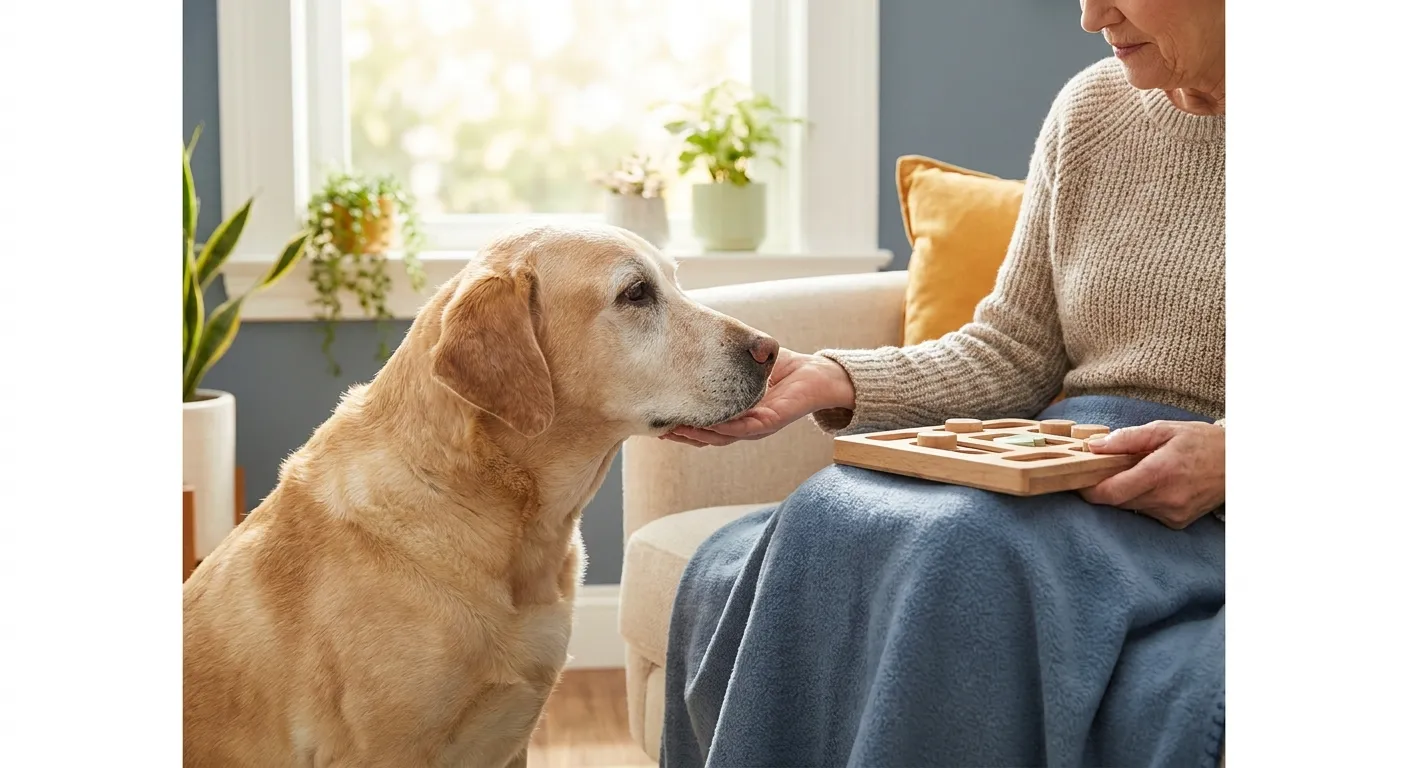
While physical health often takes center stage in senior dog care, the mental health senior Labrador deserves equal, if not more, attention. An aging mind can experience changes that impact behavior, happiness, and overall quality of life. At Labrador Healthcare, we believe in a holistic approach to senior care, recognizing that a sharp, engaged mind is as crucial as a healthy body for your beloved Labrador. This article explores strategies to foster cognitive vitality and emotional well-being in their golden years.
Recognizing Cognitive Decline in Senior Labradors
Just like humans, senior dogs can experience cognitive decline, often referred to as Canine Cognitive Dysfunction (CCD). It’s important for owners to recognize the signs early. Do not dismiss them as ‘just old age,’ but understand them as a treatable condition. Early detection allows for more effective intervention and improved quality of life for your aging companion.
Common Signs of CCD
CCD manifests in various ways, often summarized by the acronym DISHA. Disorientation involves getting lost in familiar places or staring blankly. Altered Interactions might mean less interest in greetings or increased irritability. Sleep-wake cycle changes include restlessness at night and excessive sleeping during the day. House-soiling refers to accidents despite being house-trained. Finally, Activity level changes can involve decreased exploration or repetitive behaviors. Observing these patterns can be the first step towards seeking help.
Differentiating from Other Conditions
It’s crucial to consult your veterinarian if you notice these signs. Many medical conditions, such as pain from arthritis, hearing or vision loss, or even urinary tract infections, can mimic symptoms of cognitive decline. A thorough veterinary examination can rule out other treatable causes. This process provides an accurate diagnosis, leading to the most effective support plan for your senior Lab. For more comprehensive information on common health issues, consider reading The Complete Labrador Retriever Health Guide: 12 Conditions Every Owner Should Know.
Strategies to Support Mental Health Senior Labrador
Once cognitive changes are identified, a multi-faceted approach can significantly improve your Labrador’s mental well-being. These strategies focus on engagement, comfort, and appropriate medical support to enhance their golden years.
Environmental Enrichment and Stimulation
Keeping your senior Lab’s mind active is paramount. Introduce new, safe scents during short, gentle walks. Offer puzzle toys that require problem-solving to release treats, or engage in gentle scent games indoors. Rotate toys to keep things interesting. Even simple, supervised exploration in a new, safe area can provide valuable mental stimulation without physical strain. This helps maintain a healthy mental state for your aging Labrador.
Maintaining Predictable Routines
Consistency provides comfort and reduces anxiety, especially for dogs experiencing confusion. Stick to a regular schedule for feeding, potty breaks, and short walks. This predictability helps senior Labs feel secure and reduces the stress of uncertainty. Avoid major changes to their environment or daily routine if possible. A stable environment supports cognitive function and emotional stability.
Social Interaction and Comfort
Continued positive social interaction is vital. Spend quality time with your senior Labrador, offering gentle petting, soft words, and quiet companionship. Maintain their social connections with familiar family members and other calm, well-behaved pets. These interactions provide emotional support and reinforce their sense of belonging. Furthermore, a comfortable sleeping area and easy access to food and water reduce daily stressors, contributing positively to the overall mental health senior Labrador.
Nutritional Support for Cognitive Function
Diet plays a significant role in brain health. Specific nutrients can help support cognitive function in aging dogs. Discuss dietary changes with your veterinarian to ensure they are appropriate for your Labrador’s specific needs.
Brain-Boosting Nutrients
Look for dog foods formulated for senior dogs that include antioxidants such as Vitamin E and C. These nutrients combat oxidative stress, which can damage brain cells. Omega-3 fatty acids, particularly DHA and EPA, are also crucial for brain health. They support neuronal function and reduce inflammation. Medium-chain triglycerides (MCTs) found in coconut oil can provide an alternative energy source for the brain, potentially improving cognitive function. Labrador Health Products offers various supplements that can complement your dog’s diet.
Supplements and Medications
Your veterinarian might recommend specific supplements or prescription medications to address cognitive decline. Selegiline is a medication approved for the treatment of CCD. It works by increasing dopamine levels in the brain. Other supplements, such as S-Adenosylmethionine (SAMe) or ginkgo biloba, may also be beneficial. Always consult your vet before introducing any new supplements or medications to your senior Labrador’s regimen. They can provide guidance tailored to your dog’s individual health profile.
Adapting Your Home for a Senior Labrador’s Mind
Creating a safe and comfortable environment is essential for a senior Labrador experiencing cognitive changes. Simple modifications can significantly reduce stress and improve their daily life.
Safety and Accessibility
Ensure your home is easy to navigate. For instance, provide non-slip mats on slippery floors to prevent falls. Keep pathways clear of clutter. Consider using baby gates to restrict access to stairs or dangerous areas, especially if your dog is disoriented. Adequate lighting, particularly at night, can help dogs with vision impairment move more confidently. This proactive approach helps maintain the well-being of your aging Labrador.
Comfort Zones and Familiarity
Establish several comfortable, easily accessible resting spots throughout your home. These should be quiet and familiar. Place their bed, water bowl, and food bowl in consistent locations. Avoid frequently rearranging furniture, as this can confuse a disoriented senior dog. A familiar environment fosters a sense of security and reduces anxiety, which is crucial for the mental health senior Labrador.
The Importance of Regular Veterinary Check-ups
Routine veterinary care is indispensable for managing the mental health of an aging Labrador. These visits allow for early detection and intervention, which are key to maintaining their quality of life.
Early Detection and Diagnosis
Regular check-ups enable your vet to monitor your Labrador’s cognitive function over time. They can perform neurological examinations and discuss any behavioral changes you’ve observed. Early diagnosis of conditions like CCD allows for prompt implementation of supportive therapies, potentially slowing the progression of decline. This proactive approach is vital for supporting your senior dog’s overall health.
Managing Concurrent Health Issues
Many senior Labs experience multiple health issues simultaneously. For example, arthritis pain can impact mobility and contribute to anxiety or changes in sleep patterns. Hearing or vision loss can exacerbate disorientation. Your veterinarian can help manage these concurrent conditions, as addressing physical discomfort often leads to improvements in cognitive and emotional well-being. A comprehensive care plan considers all aspects of your senior Labrador’s health.
Engaging Activities for Cognitive Enhancement
Beyond basic enrichment, specific activities can actively challenge and stimulate your senior Labrador’s brain. These activities should be tailored to their physical capabilities and always be positive experiences.
Gentle Training and Brain Games
Continue with short, positive reinforcement training sessions. Reviewing familiar commands or teaching simple new tricks can keep their minds sharp. Consider introducing scent work games, where they use their powerful noses to find hidden treats. This is a low-impact activity that provides immense mental stimulation. These engaging games are excellent for maintaining the cognitive vitality of your senior Labrador.
Exploring New but Safe Environments
Short, gentle walks in new, safe environments can provide novel sensory input without over-exertion. A different park, a friend’s yard, or even a new route around the block can offer new sights, sounds, and smells. Always ensure the environment is secure and that your Labrador feels comfortable. These excursions can be mentally refreshing and contribute positively to their overall well-being. A happy mental health senior Labrador benefits from these small adventures.
Building a Strong Bond Through Understanding and Patience
Above all, your understanding and patience are the most powerful tools in supporting your senior Labrador’s mental health. Their cognitive changes can be frustrating, but remember they are not intentional.
Patience and Positive Reinforcement
Respond to accidents or changed behaviors with patience and kindness. Avoid scolding, as this can increase anxiety and confusion. Instead, focus on positive reinforcement when they succeed. Celebrate small victories, like finding a hidden treat or following a familiar command. Your calm and loving demeanor provides a secure anchor for your aging companion.
Seeking Support and Education
Caring for a senior dog with cognitive decline can be challenging. Don’t hesitate to seek support from your veterinarian, other senior dog owners, or online communities. Educating yourself about CCD and its management can empower you to provide the best possible care. Resources are available to help you navigate this journey, ensuring you and your senior Labrador maintain a strong, loving bond. Our Blog Hub offers many articles on senior dog care.
Conclusion
The journey with an aging Labrador is filled with love, but it also brings unique challenges, especially concerning their cognitive and emotional well-being. By recognizing the signs of cognitive decline, implementing environmental enrichments, providing nutritional support, adapting your home, and maintaining consistent veterinary care, you can significantly enhance the mental health senior Labrador. Remember, fostering joy and cognitive vitality in their golden years is a testament to the unconditional love they’ve given you. At Labrador Healthcare, we are committed to helping you ensure your beloved companion enjoys a life rich in happiness and mental engagement, even as they age. Your dedication makes all the difference in ensuring a vibrant and fulfilling life for your senior Labrador.
FAQ
What are the first signs of cognitive decline in an older dog?
Early signs often include disorientation (getting lost in familiar places), changes in interactions (less greeting, more irritability), altered sleep-wake cycles (restlessness at night), house-soiling accidents, and changes in activity levels (decreased exploration). If you observe these, consult your veterinarian.
Can diet impact an aging Labrador’s brain function?
Absolutely. Diets rich in antioxidants (like Vitamins E and C), Omega-3 fatty acids (DHA, EPA), and Medium-Chain Triglycerides (MCTs) can support brain health. Always discuss dietary changes or supplements with your vet to ensure they’re appropriate for your dog.
How can I keep my senior dog’s mind active without over-exercising them?
Focus on mental stimulation with low-impact activities. This includes puzzle toys for treats, gentle scent games, short positive reinforcement training sessions, and supervised exploration in new, safe environments. These activities engage their mind without stressing their body.
Is Canine Cognitive Dysfunction treatable?
While CCD cannot be cured, its progression can often be managed and slowed with a combination of strategies. These include environmental enrichment, dietary adjustments, specific supplements, and in some cases, prescription medications. Early intervention is key to improving your dog’s quality of life.
What role does routine play in an aging dog’s well-being?
A predictable routine for feeding, potty breaks, and short walks provides comfort and security for aging dogs, especially those experiencing confusion. Consistency reduces anxiety and helps them feel more stable and secure in their environment, positively influencing their emotional state.