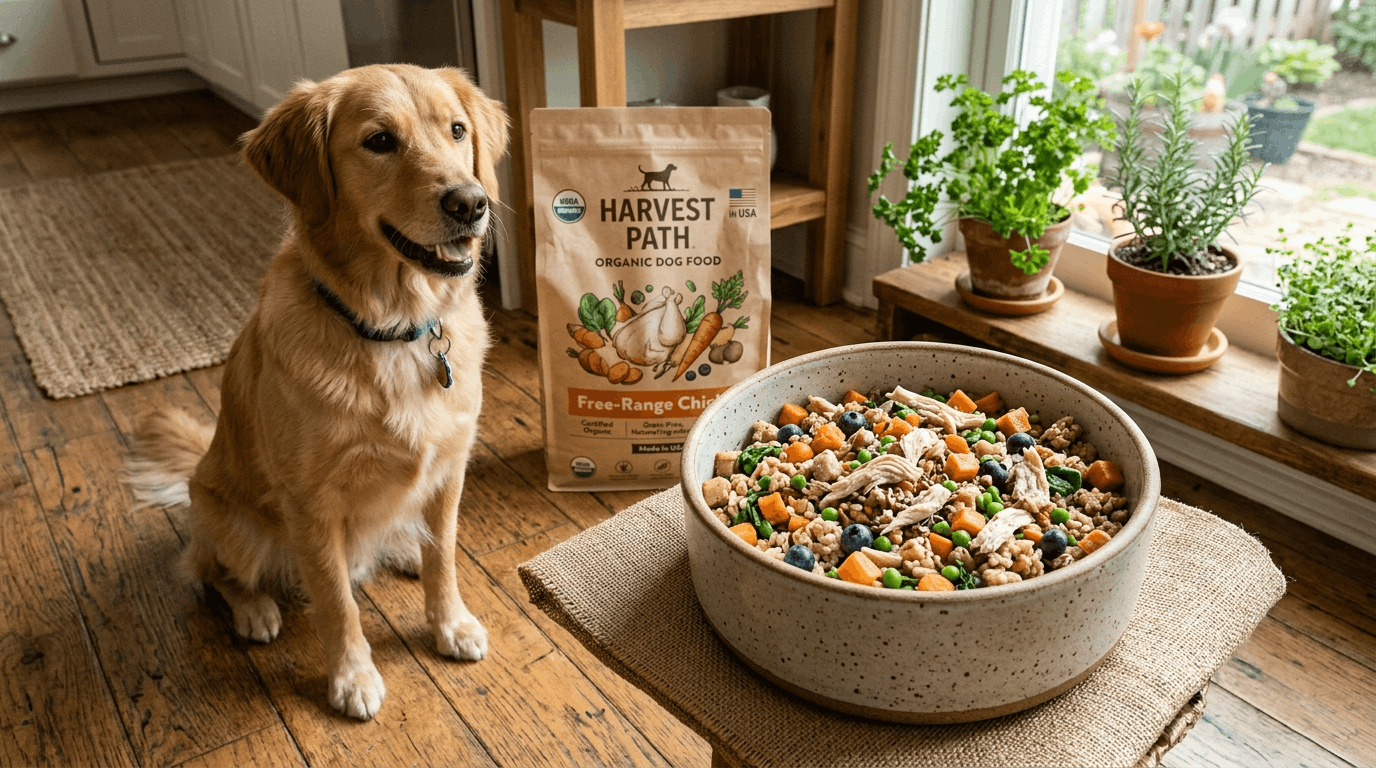
Labradors are energetic, loyal, and always excited about mealtime. Because they love food so much, nutrition plays a major role in their long-term health and daily comfort. Many owners focus on portion sizes and treats, yet the quality of ingredients matters just as much. That is why organic dog food has become increasingly popular among Labrador owners who want healthier options for their pets.
A Labrador’s body depends on proper nutrition to maintain healthy joints, strong muscles, stable energy, and a healthy coat. However, many conventional dog foods contain artificial additives, low-quality fillers, pesticides, and heavily processed ingredients that may place unnecessary stress on the body over time. While not every commercial product is harmful, ingredient quality can significantly influence overall wellness.
Organic diets focus on cleaner ingredients and fewer synthetic additives. As a result, many Labradors experience improvements in digestion, skin condition, energy levels, and appetite balance after switching to a more natural diet. Since Labradors are prone to obesity, allergies, and joint problems, nutritional quality becomes even more important throughout their lives.
Understanding how food affects your Labrador’s health helps you make better decisions about long-term care. In many cases, small improvements in ingredient quality create noticeable benefits that support both comfort and vitality.
Why Ingredient Quality Matters for Labradors
Labradors are known for their strong appetites, but they also have a tendency to develop health problems related to poor nutrition. Excess weight, digestive issues, skin irritation, and inflammation often connect closely to diet quality. Therefore, the ingredients inside a dog’s food deserve careful attention.
Many low-cost dog foods rely heavily on fillers such as corn gluten, soy isolate, or artificial flavoring. These ingredients may help reduce manufacturing costs, yet they do not always provide ideal nutrition for active dogs. Furthermore, highly processed ingredients can become more difficult for some Labradors to digest efficiently.
Organic dog food focuses on whole ingredients that are grown or raised without synthetic pesticides, artificial hormones, or unnecessary chemicals. Consequently, the food often contains fewer irritants that may contribute to digestive discomfort or allergic reactions.
Protein quality is especially important for Labradors because they require strong muscle support throughout life. Clean protein sources such as organic chicken, turkey, lamb, or salmon often provide more digestible nutrition than vague meat by-products.
Healthy carbohydrates also influence energy levels and digestion. Ingredients such as brown rice, sweet potatoes, peas, and oats generally offer steadier nutrition than refined fillers. Additionally, these ingredients contain fiber that supports healthier bowel movements.
Natural fats contribute to coat condition and joint health. Omega-3 fatty acids from fish oil or flaxseed may help reduce inflammation while supporting healthy skin and mobility. Since Labradors often struggle with joint stress as they age, anti-inflammatory nutrition becomes especially valuable.
How Cleaner Nutrition Supports Digestion
Digestive health affects nearly every part of a Labrador’s body. Nutrient absorption, immune function, appetite control, and energy production all depend on proper digestion. Because of this, many owners notice digestive improvements first when switching to organic dog food.
Artificial preservatives and synthetic additives sometimes irritate sensitive stomachs. While certain dogs tolerate these ingredients without obvious symptoms, others may develop bloating, gas, loose stools, or inconsistent digestion over time. Cleaner diets reduce exposure to these potential irritants.
Whole ingredients are often easier for Labradors to process. Simple recipes with recognizable foods allow the digestive system to absorb nutrients more efficiently. Consequently, dogs may experience firmer stools and less digestive discomfort.
Fiber also plays a major role in digestive balance. Organic vegetables, oats, and pumpkin naturally support healthier bowel function while feeding beneficial gut bacteria. A healthier gut environment can improve nutrient absorption and overall comfort.
Some Labradors experience food sensitivities that become more manageable after eliminating artificial ingredients. Although allergies vary between dogs, reducing chemical additives may help decrease irritation and inflammation throughout the digestive tract.
Hydration also improves digestion significantly. Many organic diets contain moisture-rich ingredients that support healthy bowel movement and nutrient transport. Combined with proper water intake, these foods often help Labradors maintain better gastrointestinal balance.
Owners frequently report reduced gas after changing to cleaner diets. Since Labradors are known for stomach sensitivity, improved digestion often creates a noticeable difference in daily comfort.
The Connection Between Diet and Skin Health
Skin problems are common in Labradors, especially when poor nutrition contributes to inflammation or dryness. Itching, hot spots, excessive shedding, and flaky skin may all relate partly to diet quality.
Organic dog food may help improve skin condition because it avoids many artificial ingredients linked to irritation. In addition, cleaner protein sources reduce exposure to certain allergens that sometimes trigger skin reactions.
Healthy fats play a major role in coat quality. Omega-3 and omega-6 fatty acids help maintain skin hydration while supporting a soft, shiny coat. Labradors especially benefit from balanced fats because their dense double coats require proper oil production for protection.
Artificial coloring and preservatives may worsen skin sensitivity in some dogs. Although these ingredients make products appear more attractive to humans, they provide no real nutritional value for pets. Eliminating unnecessary chemicals often supports healthier skin naturally.
Many organic formulas also include antioxidant-rich fruits and vegetables. Blueberries, carrots, spinach, and cranberries provide nutrients that support immune function and skin repair. Since inflammation often affects the skin first, antioxidant support can become extremely beneficial.
A healthier digestive system may also improve coat condition indirectly. When Labradors absorb nutrients more effectively, the body can better support skin regeneration and hair growth.
Some dogs experience fewer ear infections after dietary improvements as well. Chronic inflammation sometimes contributes to recurring ear irritation, especially in dogs with food sensitivities.
Managing Labrador Weight More Effectively
Labradors gain weight easily, which creates several long-term health concerns. Obesity increases stress on joints, reduces mobility, and raises the risk of diabetes and heart disease. Therefore, maintaining a healthy weight becomes one of the most important parts of Labrador care.
Organic dog food may help with weight management because it often contains higher-quality protein and more balanced ingredients. Dogs usually feel fuller after eating nutrient-dense meals, which may reduce overeating and constant begging.
Low-quality fillers sometimes contribute to poor satiety. Since these ingredients provide less nutritional value, Labradors may remain hungry even after eating. Consequently, owners may unintentionally overfeed.
Balanced protein supports lean muscle maintenance while encouraging healthier metabolism. Additionally, natural fiber helps regulate appetite and digestion more effectively.
Artificial flavor enhancers may also encourage overeating. Cleaner foods tend to rely on real ingredients for flavor instead of chemical additives that overstimulate appetite.
Portion control still matters greatly, even with healthier food choices. However, many owners find it easier to maintain healthy body weight when feeding cleaner, nutrient-rich meals.
Since excess weight worsens joint problems in Labradors, proper nutrition can directly improve mobility and long-term comfort.
Understanding Organic Labels and Ingredients
Not every product labeled “natural” or “premium” is truly organic. Marketing language can sometimes confuse pet owners, so reading labels carefully remains essential.
Certified organic products follow stricter standards regarding ingredient sourcing and production methods. These foods avoid synthetic pesticides, artificial growth hormones, and genetically modified ingredients whenever possible.
The ingredient list offers valuable information. High-quality organic dog food usually lists a named protein source first, followed by recognizable carbohydrates and vegetables.
Shorter ingredient lists often indicate simpler recipes with fewer additives. While simplicity alone does not guarantee quality, it generally reduces unnecessary fillers and preservatives.
Owners should also examine where ingredients come from. Transparent companies usually provide clearer sourcing information and manufacturing standards.
Terms such as “human-grade” or “holistic” may sound appealing, yet they are not always regulated. Therefore, ingredient quality matters more than branding language alone.
Avoid foods with vague terms like “meat meal” or “animal by-products” when possible. Specific protein identification typically reflects better ingredient transparency.
Understanding labels helps Labrador owners avoid products that appear healthy but still contain unnecessary chemicals or low-quality fillers.
How Organic Diets Support Long-Term Wellness
Good nutrition affects far more than appearance alone. Over time, dietary quality influences immune strength, mobility, energy levels, and aging. Because Labradors are active dogs, long-term wellness depends heavily on consistent nutritional support.
Organic dog food often includes more antioxidant-rich ingredients that help protect cells from oxidative stress. Antioxidants support immune function while reducing inflammation linked to aging.
Joint health becomes increasingly important as Labradors grow older. Since the breed commonly develops arthritis and hip issues, anti-inflammatory nutrition may help maintain mobility longer.
Cleaner nutrition may also reduce toxic load on the body. While occasional exposure to preservatives or pesticides may not create immediate problems, reducing unnecessary chemicals over many years may support healthier aging overall.
Steady energy levels are another benefit many owners notice. Dogs eating balanced, nutrient-rich meals often maintain more consistent stamina throughout the day instead of experiencing energy crashes.
Dental health may improve indirectly as well. Better overall nutrition supports gum health and immune function, both of which influence oral wellness.
Healthy immune systems also help Labradors recover more effectively from stress, illness, or environmental changes. Since much of the immune system connects directly to the digestive tract, gut health becomes essential for overall resilience.
Transitioning Your Labrador to a Cleaner Diet
Changing foods suddenly can upset a Labrador’s stomach, even when the new diet is healthier. Therefore, gradual transitions work best.
Owners should begin by mixing a small amount of the new food with the current diet. Over seven to ten days, the proportion of organic dog food can increase gradually while the old food decreases.
Monitoring stool quality during the transition helps identify how well the dog adapts. Temporary digestive changes may occur briefly, but severe diarrhea or vomiting should always be discussed with a veterinarian.
Some Labradors adjust quickly, while others require more time. Patience and consistency usually lead to better long-term success.
Fresh water should remain available at all times, especially during dietary changes. Proper hydration supports digestion and nutrient absorption.
Owners may also notice changes in appetite, coat texture, or energy during the adjustment period. Positive improvements often appear gradually over several weeks.
Treat quality matters too. Feeding heavily processed snacks while improving meal quality may slow progress. Choosing cleaner treats supports the overall transition more effectively.
Veterinary guidance can help owners select the best formula for specific health concerns, especially if the Labrador has allergies or chronic digestive issues.
Creating a Healthier Future for Your Labrador
Feeding a Labrador involves more than simply filling a bowl each day. Nutrition directly affects comfort, mobility, digestion, skin health, and overall quality of life. That is why many owners choose organic dog food as part of a long-term approach to better wellness.
Cleaner ingredients support the body naturally by reducing exposure to artificial additives and unnecessary chemicals. At the same time, balanced nutrition helps Labradors maintain healthier digestion, stronger immune function, and steadier energy levels throughout life.
Although no diet guarantees perfect health, consistent nutritional quality creates a stronger foundation for long-term wellness. Small improvements in ingredient quality often lead to noticeable changes in appearance, behavior, and daily comfort.
Labradors thrive when they receive proper nutrition that supports both their active lifestyle and breed-specific health needs. Since these dogs are naturally enthusiastic eaters, choosing healthier meals becomes one of the most meaningful ways owners can support their well-being.
Ultimately, investing in cleaner nutrition is an investment in your Labrador’s future. By selecting high-quality ingredients and avoiding unnecessary additives, owners can help their dogs live healthier, more comfortable, and more energetic lives for years to come.
FAQ
1. Is organic food better for Labradors with allergies?
Some Labradors with sensitivities may benefit from cleaner ingredients and fewer artificial additives found in organic diets.
2. Can cleaner diets improve a Labrador’s digestion?
Yes. Many dogs experience better digestion, firmer stools, and less bloating after switching to healthier food options.
3. Does organic food help Labradors maintain healthy weight?
Balanced ingredients and better protein quality may support appetite control and healthier body weight management.
4. How do I switch my Labrador to a new diet safely?
Gradually mix the new food with the current diet over seven to ten days to reduce digestive upset.
5. Are all natural dog foods truly organic?
No. Owners should read labels carefully because “natural” and “organic” are not always the same thing.