Mental stimulation Labrador work is a session you can write down, not a promise that a puzzle will fix barking or chewing. This page shows how to log a short brain game, which public pages to open, and what not to claim about health. It is general information, not veterinary or training advice. If your Lab is hurting, not eating, or the behavior is new and sudden, call a veterinarian. If a trainer and this page disagree, follow the person who has seen the dog.
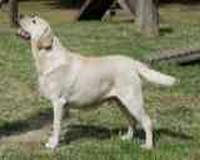
The photograph is Yellow Labrador Retriever 2.jpg by SixtyWeb, CC BY-SA 3.0, on Wikimedia Commons. It shows a yellow Labrador outdoors. It is not a generated picture and it is not a laptop keyboard. Labrador Healthcare may earn a commission from qualifying purchases made through links on this page, at no extra cost to you.
Mental stimulation Labrador starts with one session, not a slogan
A Labrador was bred to work with people. That history is a reason to give the dog a job you can see, not a reason to say the breed needs a numbered minute quota. This article will not assign a daily minute count. It will not say a game prevents cognitive disease, anxiety, or a weak immune system. Those are clinical questions. The American Kennel Club page on the Labrador Retriever is one public description of the breed. Read it. Do not treat a blog list as a medical plan.
The ASPCA page on destructive chewing discusses chewing and boredom among other causes. Open it. This article does not restate their causes as a diagnosis of your dog. Chewing can also be pain, a puppy mouth, or a habit. Write what you saw before you name a cause.
- Date and place: kitchen, yard, or a new path.
- What you set out: a toy, a scatter of the usual food, or a cue you already use.
- What the dog did: searched, quit, chewed the wrong thing, or looked at you.
- How you ended it: you picked up the toy, or the dog walked away.
- What you will not add: a new supplement, a new punishment, or a minute target this page does not set.
A card for the games people already use
These are ways to fill the card. They are not a ranking and they are not a treatment. Stop if the dog is frustrated, guarding the toy, or limping. A game that needs a vet or a trainer is not a blog step.
Food toys you can watch
Put the dog’s usual food in a toy made for that job, and stay where you can see it. If the toy is too hard, the dog quits or chews the plastic. Make the next try easier, or go back to the bowl. Do not buy a harder toy to build the brain. The ASPCA chewing page is the one to read if the dog is destroying household objects. This page will not tell you which brand is safe for every jaw.
A find-it game with the food you already measured
Scatter part of the meal you were going to feed anyway. Do not add a second dinner. Start where the dog can see the food, then hide it one step farther only if the first search ended calmly. Rain is a reason to use the hallway, not a reason to skip the log. Write whether the dog used the nose or just followed you.
Cues you already know
A short rep of sit, stay, or come is a brain job if the dog is still offering the behavior. Do not drill until the dog shuts down. New tricks are optional. If leash pulling is the problem you care about, that is a separate handling plan, not a proof that this game failed. Do not yank the leash as the mental correction.
A named toy
If the dog already fetches one toy, ask for that toy by the name you use, from a pile of two. If the dog brings the wrong one, pay the search anyway the first times, or the game becomes a test you did not mean to set. Memory games with cups are the same idea: one treat, cups you can lift, stop when the dog paws the cup apart.
A new path, not a new sport
A different block, a different park entrance, or a pet-friendly store you are allowed to enter gives new smells. That is enrichment you can log. It is not a substitute for a walk the dog still needs for the body. If the dog is panting hard, limping, or the weather is unsafe, turn around. This page will not set a temperature.
A flirt pole only if you can stop it
A pole with a lure is a chase. It is physical and it asks for a stop cue. If you do not have a stop the dog already knows, do not start. Do not use it on slippery floors or with a dog that has been told to rest a joint. The point of the log is whether the dog could pause, not how spectacular the pounce looked.
A class is a place, not a cure
Agility, obedience, and dock diving are activities some Labs do. The AKC sports pages, linked from akc.org/sports, describe events. They do not say your dog should enter one. If you go, write the class name and whether the dog could rest between reps. A class that leaves the dog sore is a question for the instructor and, if needed, a veterinarian. This article will not clear a sport.
What the log is allowed to say
After a week of cards, you can say which game the dog finished and which one you picked up. You cannot say the immune system improved. You cannot say senior cognitive disease was delayed. You cannot say barking will stop. If barking, chewing, or digging is the reason you started, note the behavior on the same card: happened, or did not, after the game. That note is not a study. The ASPCA page is still the page for chewing, not your tally.
Vary the game so the same puzzle is not the only job. Variety is a choice you can see on the card. It is not a dose. If the dog ignores a puzzle, that puzzle is done for today. Forcing the nose into it is not enrichment.
Food used in games counts as food. If you are already measuring meals, move that portion into the toy instead of adding extras. This page will not set a calorie number. The bag and your veterinarian own that number.
Signs you write down instead of diagnosing
Restlessness, pacing, chewing, barking, and digging are things you can describe. They are not, by themselves, proof of boredom. Pain, hunger, a change in the house, and a medical problem can look the same. If the pattern is new, call a clinic before you buy a bin of puzzles. Bring the cards. A trainer can help with the handling after a veterinarian has said the dog is well enough to work.
A senior Lab can still do a short search or a known cue if the body allows it. Do not assume the mind is gone because the dog is old, and do not assume a new trick is required. Ask the clinic before you add a hard jump, a long chase, or a supplement marketed for brain health. This page will not name a supplement.
A week you can actually keep
Pick two games you can set up without a trip to a store. Use them on alternate days. Keep another day as a walk on a familiar route with one new turn, if the dog is cleared for walks. Write three lines a day. If you miss a day, leave the line blank. Do not stack games at night to catch up. Stacking is how a willing dog gets overwhelmed.
If a child runs the game, you still write the card. Children should not tease with the flirt pole or take food out of the mouth. End the session while the dog is still willing, not after the dog has quit and wandered off. Willing is an observation. It is not a numbered score.
The practical close is the same card. Mental stimulation Labrador means you ran one job, you wrote what the dog did, and you opened the ASPCA or AKC page instead of inventing a health result. The puzzle is a tool. It is not a diagnosis.