Food allergies in Labradors are far more common today than they were a decade ago, and many owners are left wondering why their dog suddenly develops itching, redness, ear infections, or digestive problems. While several factors influence sensitivity, evidence increasingly suggests a strong link between processed Labrador food allergies and the ingredients, preservatives, and manufacturing methods found in commercial diets. Because processed foods dominate the pet industry, understanding how they affect your dog’s health is essential.
Many Labradors eat processed kibble or canned food daily. Although convenient, long-term consumption of ultra-processed diets can overwhelm the immune system. Food allergies occur when the immune system mistakenly attacks harmless proteins. This overreaction leads to inflammation and chronic irritation. Labradors are especially prone to these issues because of their genetic predisposition and sensitive digestive systems. When certain proteins or additives appear repeatedly in processed diets, the body becomes hypersensitive, setting off a chain of allergic reactions.
The challenge for many owners is recognizing the source of the symptoms. Allergies can mimic other skin or digestive conditions, making it difficult to trace the problem back to food. However, as you learn more about how processed Labrador food allergies develop, patterns become clearer. The good news is that with informed decisions and strategic dietary changes, you can reduce or eliminate allergy symptoms and help your Labrador feel dramatically better.
Why Processed Labrador Food Allergies Are Increasing Today
Several factors contribute to the rise in allergies. Modern pet food manufacturing relies heavily on cost-effective ingredients, synthetic additives, and high-heat processing. These practices make food shelf-stable and affordable, but they also destroy natural nutrients and alter protein structures. When proteins become denatured, dogs may no longer recognize them properly. This confusion prompts immune reactions that develop into processed Labrador food allergies over time.
Another reason for the increase is repetitive exposure. Many Labrador foods use the same core ingredients—chicken, beef, corn, wheat, or soy. When your dog consumes these ingredients daily for months or years, the immune system may become sensitized to them. Once sensitization occurs, even small amounts trigger allergic responses. Because processed foods offer limited ingredient diversity, sensitization happens more easily.
Additionally, environmental toxins and over-vaccination may weaken the immune system, making Labradors more vulnerable to food allergies. Stress, gut health imbalance, and poor nutrition also influence sensitivity. Processed foods often contain preservatives, coloring agents, by-products, and fillers that strain the digestive system. All of these factors combine to increase the risk of processed Labrador food allergies.
How Processing Methods Influence Labrador Food Allergies
Commercial kibble undergoes intense processing. High-pressure extrusion cooks ingredients at extremely high temperatures. This cooking method changes protein shapes and destroys beneficial enzymes. Once proteins lose their natural form, the immune system may identify them as threats. As a result, the risk of developing processed Labrador food allergies increases.
Canned food also undergoes heating to ensure safety and shelf stability. Although canned food often contains fewer preservatives, the heating process still alters protein structures. Additionally, many canned foods include gums, thickeners, and synthetic supplements to improve texture and nutritional balance. While not harmful in small amounts, these additives may irritate sensitive Labradors.
Another important factor is the quality of ingredients before processing. Many processed foods use rendered meats or by-products. Rendering involves heating leftover animal parts at high temperatures until fats separate from protein. This process further denatures proteins and reduces digestibility. When dogs struggle to digest proteins, the likelihood of immune response increases.
Starches play a role too. Kibble requires starch to hold its shape. Corn, wheat, potatoes, and peas are common binders. Excessive starch may disrupt gut bacteria, leading to inflammation. Because the gut plays a central role in immune function, imbalance can lead to processed Labrador food allergies.
Common Allergens Found in Processed Labrador Food
Although any food can trigger allergies, several ingredients appear frequently in processed Labrador food allergies. One of the most common triggers is chicken. Because chicken is inexpensive and widely used, many Labradors consume it daily. Overexposure increases the risk of allergy.
Beef is another frequent allergen, as well as dairy and eggs. Plant-based allergens include corn, wheat, soy, and peas. Peas, lentils, and legumes have become especially common in grain-free formulas, which may contribute to rising allergy rates.
Artificial preservatives such as BHA, BHT, and ethoxyquin can also irritate sensitive systems. Synthetic coloring and flavoring agents mimic the effects of allergens by stimulating inflammatory responses. While preservatives extend shelf life, they may contribute to long-term immune stress.
Because Labradors often have hearty appetites, they consume larger portions than smaller breeds. This means increased exposure to the same allergens. As a result, processed Labrador food allergies develop faster in some cases simply due to quantity consumed.
Symptoms That Indicate Processed Labrador Food Allergies
Early signs of allergies are often subtle. Owners sometimes mistake them for seasonal reactions or grooming issues. However, consistent symptoms signal that something in the diet is causing irritation.
Common symptoms include:
- Itching and scratching
- Ear infections or wax buildup
- Red, inflamed paws
- Excessive licking
- Hot spots
- Dull or thinning coat
- Digestive issues such as soft stools, gas, or vomiting
Because Labradors are expressive and active, behavioral changes sometimes appear too. A normally playful dog may become restless or uncomfortable. If symptoms flare after eating and subside hours later, processed Labrador food allergies are likely contributing.
The Role of Gut Health in Processed Labrador Food Allergies
The gut is home to trillions of bacteria that regulate digestion and immune responses. When gut bacteria become imbalanced—often due to processed diets—the immune system may become hypersensitive. This hypersensitivity contributes to processed Labrador food allergies because the body reacts aggressively to foreign proteins.
Processed foods often lack natural probiotics, prebiotics, and enzymes that support gut balance. Excessive starch also feeds harmful bacteria. Over time, this imbalance leads to leaky gut syndrome, a condition where tiny gaps form in the intestinal lining. These gaps allow undigested proteins to enter the bloodstream, triggering an immune response. Labradors with leaky gut are more likely to develop allergies.
Healing the gut becomes essential for reducing processed Labrador food allergies. Diet changes, supplements, and probiotics help restore balance and reduce inflammation. Once the gut heals, many allergy symptoms diminish naturally.
Why Labradors Are More Prone to Food Allergies Than Some Breeds
Labradors have several risk factors that make them more susceptible to processed food allergies. Their genetics predispose them to skin issues and sensitivities. They also have strong appetites, which can lead to overeating processed foods. Because they often consume large portions, they ingest more allergens than smaller breeds.
Additionally, Labradors shed heavily and have a dense double coat. Skin inflammation becomes more noticeable and harder to manage when allergies occur. Their active lifestyle exposes them to environmental irritants, which combine with food sensitivities to worsen symptoms.
Since Labradors frequently have ear infections due to their floppy ears, allergies often go unnoticed or misdiagnosed. Owners treat ear problems without addressing the root cause: processed Labrador food allergies. Once the diet improves, ear infections often decline.
How to Reduce or Eliminate Processed Labrador Food Allergies
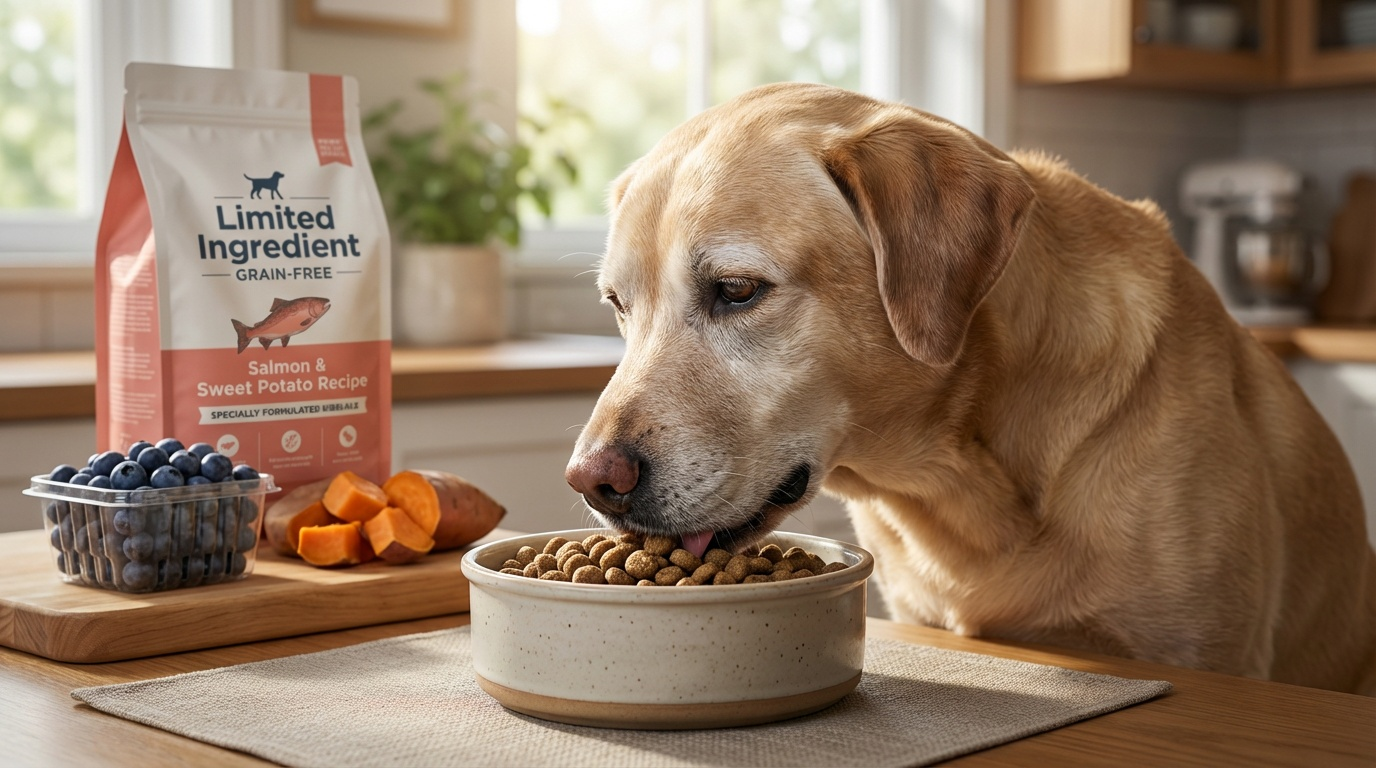
The first step in reducing allergies is identifying the trigger. Many veterinarians recommend an elimination diet. This involves feeding a limited-ingredient diet with a novel protein your Labrador has never eaten. Common novel proteins include salmon, duck, venison, rabbit, or lamb. Over several weeks, symptoms improve if processed Labrador food allergies contributed to the problem.
Switching from processed kibble to minimally processed food also helps. Fresh, raw, or gently cooked diets preserve natural nutrients and reduce ingredient manipulation. These diets contain fewer synthetic additives and may reduce inflammation.
Avoiding common allergens is crucial. Look for foods free from chicken, beef, corn, wheat, soy, and artificial preservatives. Because Labradors respond well to fish-based diets, these formulas often relieve symptoms quickly.
Introducing probiotics, digestive enzymes, and omega-3 supplements also helps repair the gut. Once the gut heals, allergy symptoms decline dramatically.
Choosing Better Alternatives to Reduce Processed Labrador Food Allergies
Several healthier options exist beyond traditional kibble:
Gently Cooked or Fresh-Frozen Diets
These diets use natural ingredients with minimal processing. Because proteins remain intact, they trigger fewer allergic reactions.
Raw Diets
Raw diets offer natural enzymes and unaltered proteins. They require careful handling but often improve allergy symptoms rapidly.
Freeze-Dried Raw or Air-Dried Food
These options maintain nutrition while extending shelf life. They eliminate many issues associated with ultra-processed diets.
Limited-Ingredient Diets (LID)
LID formulas contain fewer allergens, making them ideal for eliminating processed Labrador food allergies.
Custom Homemade Meals
Homemade diets made under veterinary guidance offer complete control over ingredients. This ensures no hidden allergens remain.
When transitioning to new food, do so gradually. Sudden changes may upset the stomach, even when switching to better diets. Slow transitions support healthier digestion and minimize discomfort.
Preventing Future Allergies Through Smarter Feeding Practices
Prevention matters as much as treatment. Rotating proteins every few months reduces sensitization. Avoid feeding the same protein source for years at a time. Offering seasonal fruits and vegetables also increases nutrient diversity.
Reading labels carefully prevents accidental exposure to allergens. Many processed foods contain hidden chicken or beef liver flavoring even when labeled differently. Choosing transparent brands with fewer ingredients reduces this risk.
Supporting gut health continuously prevents the recurrence of processed Labrador food allergies. Probiotics, prebiotics, and omega fatty acids keep the immune system strong. Regular grooming also helps you monitor your dog’s skin and identify early symptoms.
Conclusion
The connection between processed Labrador food allergies and modern dietary practices is clear. Processed ingredients, repetitive protein exposure, synthetic additives, and aggressive cooking methods all contribute to rising allergy rates. Fortunately, Labradors respond incredibly well to diet improvements. By choosing minimally processed foods, introducing gut-supportive supplements, and selecting diverse proteins, you can dramatically reduce allergy symptoms. With patient adjustments and thoughtful nutrition, your Labrador can enjoy healthier skin, better digestion, and a happier life.
FAQ
- What are the most common allergens in processed Labrador food?
Chicken, beef, corn, wheat, soy, and artificial preservatives are frequent triggers. - How do I know if my Labrador has a food allergy?
Look for itching, ear infections, paw licking, digestive issues, or chronic skin problems. - Is grain-free food better for allergies?
Not always. Some grain-free formulas contain peas or lentils, which can also trigger allergies. - What type of diet helps reduce processed Labrador food allergies?
Limited-ingredient diets, fresh foods, and novel-protein options often work best. - Can food allergies go away?
Symptoms improve significantly with proper diet changes, though some allergies may persist lifelong.