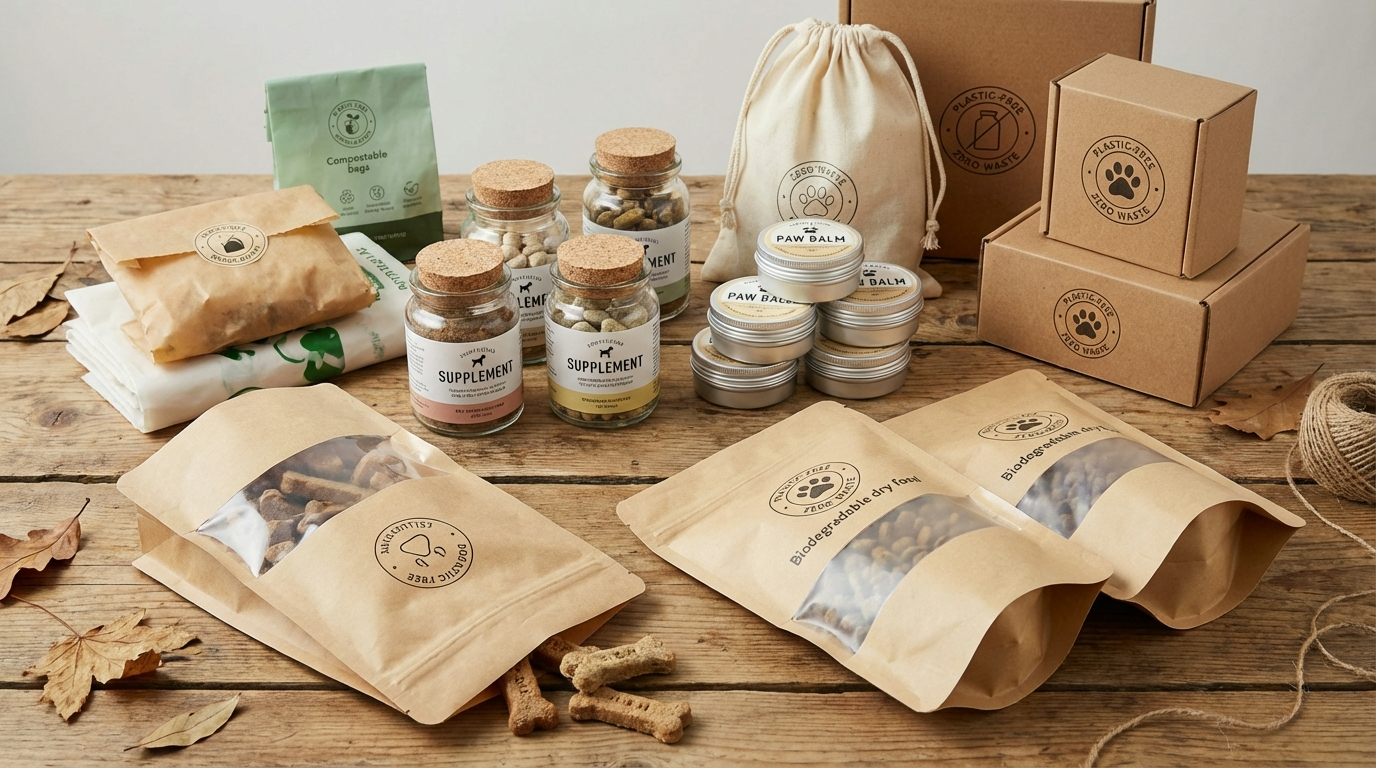
Plastic-free dog packaging is becoming a priority for Labrador owners and pet brands alike. From toy wraps to accessory boxes, packaging choices now matter just as much as the product inside. As awareness around waste grows, many people want solutions that protect both their dogs and the environment.
For Labradors, who love outdoor adventures, sustainability feels personal. Packaging waste often ends up in parks, waterways, and beaches. Reducing plastic at the source helps protect the spaces these dogs enjoy most. At the same time, thoughtful packaging design improves safety, presentation, and brand trust.
This guide explores creative, realistic, and eco-friendly packaging ideas tailored specifically for Labrador toys and accessories.
Why Plastic-Free Dog Packaging Matters for Labradors
Plastic-free dog packaging supports environmental health and responsible pet ownership. Labradors are known for their curiosity. Packaging materials are sometimes chewed, dragged, or swallowed before owners intervene.
Reducing plastic lowers the risk of ingestion accidents. It also prevents long-term pollution that affects wildlife and ecosystems. Unlike plastic, paper-based and compostable materials naturally break down over time.
From a brand perspective, sustainable packaging signals care. It shows commitment beyond profit. For consumers, it reinforces shared values. For Labradors, it helps preserve the environments they explore daily.
The Growing Demand for Sustainable Dog Packaging
Pet owners are becoming more informed. Many now evaluate packaging before purchasing. Excess plastic often creates hesitation, even when the product is appealing.
As a result, plastic-free dog packaging is no longer a niche concept. It is quickly becoming an expectation. Brands that adopt sustainable solutions gain credibility and long-term loyalty.
Retailers also respond to this shift. Shelf space increasingly favors products aligned with environmental responsibility. Packaging now plays a central role in purchasing decisions.
Recycled Cardboard in Plastic-Free Dog Packaging
Recycled cardboard remains one of the most reliable materials for plastic-free dog packaging. It is strong, widely recyclable, and easy to customize.
For Labrador toys, cardboard boxes protect shape and prevent crushing. Accessories like collars, harnesses, and leashes fit neatly into compact designs. With proper engineering, cardboard provides durability without excess material.
Minimal ink usage improves recyclability. Natural textures enhance visual appeal. When designed well, cardboard packaging feels both practical and premium.
Kraft Paper as Eco-Friendly Toy Wrapping
Kraft paper is another staple in sustainable dog packaging. Its flexibility makes it ideal for soft toys, ropes, and chew accessories.
Wrapping Labrador toys in kraft paper creates a clean, honest presentation. Twine or paper tape replaces plastic seals. Branding can be stamped directly onto the paper.
This approach reduces waste while maintaining protection. It also communicates authenticity, which resonates with environmentally conscious buyers.
Molded Pulp for Protective Dog Packaging
Molded pulp packaging offers structure similar to plastic trays without the environmental cost. It is created from recycled paper fibers and shaped for specific products.
Heavy Labrador toys benefit from molded pulp inserts. They prevent shifting during transport and absorb impact. After use, the material can be composted or recycled.
Plastic-free dog packaging becomes more versatile when molded pulp is included in the design strategy.
Reusable Fabric Packaging for Dog Accessories
Reusable packaging adds long-term value. Fabric pouches made from cotton or canvas serve as storage after purchase.
For Labrador accessories, fabric packaging holds toys, leashes, or grooming tools safely. Owners reuse these bags at home or during travel.
This approach reduces waste and strengthens brand recall. Every reuse reinforces the product’s presence while eliminating disposable packaging.
Plant-Based Inks in Sustainable Dog Packaging
Ink choice affects sustainability more than many realize. Traditional petroleum-based inks can contaminate recycling streams.
Plant-based inks, such as soy or vegetable inks, support fully recyclable packaging. They maintain vibrant colors while reducing environmental impact.
Using eco-friendly inks completes the plastic-free dog packaging cycle. Sustainability should extend beyond materials alone.
Paper-Based Tapes and Labels
Plastic tape undermines sustainable intentions. Paper-based adhesives provide an effective alternative.
Water-activated paper tape secures boxes reliably. It tears cleanly for recycling. Paper labels replace plastic stickers without sacrificing branding clarity.
When every component aligns, plastic-free dog packaging becomes truly cohesive.
Minimalist Design in Plastic-Free Dog Packaging
Minimalism reduces waste by default. Fewer layers mean fewer resources.
One box instead of multiple wraps. Printed instructions instead of inserts. Thoughtful design eliminates unnecessary materials.
For Labrador toys, simplicity improves usability. Owners appreciate packaging that opens easily and disposes responsibly.
Minimalist plastic-free dog packaging communicates confidence and purpose.
Creative Shapes for Eco-Friendly Dog Packaging
Packaging shape influences both protection and appeal. Sustainable materials allow creative structural design.
Cardboard tubes work well for tug toys. Flat mailer-style packaging suits collars and bandanas. Folded structures replace decorative plastic elements.
These designs stand out on shelves while remaining recyclable.
Compostable Inner Wraps for Hygiene
Some products require barriers for cleanliness. Compostable wraps offer protection without plastic.
Materials derived from cellulose or plant starches replace plastic liners. They decompose naturally after disposal.
Plastic-free dog packaging remains practical when compostable hygiene layers are used thoughtfully.
Educational Messaging on Dog Packaging
Packaging communicates values. It can also educate.
Clear recycling instructions reduce confusion. Simple icons guide disposal. Brief explanations explain why materials were chosen.
When owners understand the impact, they participate more willingly.
Plastic-free dog packaging succeeds when consumers are informed partners.
Subscription-Ready Sustainable Packaging
Many Labrador owners rely on subscription services. Packaging must handle repeated shipping.
Durable cardboard combined with molded pulp supports this model. Reusable boxes further reduce waste.
Sustainable dog packaging scales effectively within subscription systems.
Branding Without Plastic Finishes
Luxury does not require plastic coatings or laminates.
Embossing, textured paper, and natural fibers create a premium feel. Subtle branding often feels more authentic.
Plastic-free dog packaging looks refined when design replaces embellishment.
Shipping Efficiency and Sustainable Packaging
Right-sized packaging reduces environmental impact. Oversized boxes increase emissions and waste.
Efficient design lowers shipping weight and fuel use. Flat-packed components ship more efficiently.
Plastic-free dog packaging contributes to sustainability beyond materials alone.
Durability Testing for Eco-Friendly Packaging
Sustainable packaging must perform reliably. Drop tests and compression testing ensure durability.
Modern materials meet real-world demands. Fragility is no longer a limitation.
Plastic-free dog packaging has evolved into a dependable solution.
Cost Considerations for Plastic-Free Dog Packaging
Cost remains a concern for some brands. However, sustainable materials are becoming more affordable.
Simplified designs reduce production expenses. Bulk sourcing lowers unit costs.
Consumers increasingly accept small price differences for responsible packaging choices.
Regulatory Trends Affecting Dog Packaging
Single-use plastic regulations continue expanding. Early adoption prevents future disruption.
Brands using plastic-free dog packaging prepare for compliance proactively.
Sustainability is becoming a baseline expectation rather than a differentiator.
Starting Small with Sustainable Packaging Changes
Transitioning does not require perfection. Gradual change works.
Replacing plastic tape first is simple. Outer packaging can follow. Inserts can be addressed later.
Plastic-free dog packaging grows through consistent improvement.
Emotional Impact of Sustainable Packaging
Unboxing shapes perception. Eco-friendly packaging feels thoughtful.
Owners feel aligned with their values. Trust increases. Loyalty strengthens.
Plastic-free dog packaging influences emotion as much as function.
Labradors and Environmental Responsibility
Labradors symbolize exploration and joy. Protecting their environment honors that relationship.
Packaging choices reflect broader responsibility.
Sustainable dog packaging aligns naturally with Labrador lifestyles.
Future Innovations in Plastic-Free Dog Packaging
Innovation continues to advance. Mushroom-based packaging, seaweed films, and agricultural fibers are emerging.
These materials promise even lower impact.
Plastic-free dog packaging will continue evolving alongside consumer expectations.
Conclusion
Plastic-free dog packaging offers a responsible path forward for Labrador toys and accessories. By choosing recyclable, compostable, and reusable materials, brands reduce waste while enhancing trust and presentation. Sustainable packaging no longer means compromise. Instead, it reflects thoughtful design, environmental care, and respect for the dogs who inspire it. When packaging supports the planet Labradors love, everyone benefits.
FAQ
1. Is plastic-free dog packaging strong enough for shipping?
Yes, materials like reinforced cardboard and molded pulp provide reliable protection.
2. Does sustainable dog packaging cost more?
Costs may vary, but long-term brand value often offsets initial differences.
3. Can plastic-free packaging still look premium?
Yes, texture, structure, and minimalist design create a high-end feel.
4. Are compostable materials safe for dogs?
When designed correctly, they are non-toxic and safer than plastic.
5. How can small brands adopt plastic-free packaging?
Starting with outer packaging and adhesives allows gradual, manageable change.