Good dental hygiene is as vital for your Labrador as it is for you. Neglecting oral health can lead to painful conditions, systemic diseases, and costly veterinary bills. Implementing consistent Labrador dental care tips can significantly impact your dog’s overall well-being, ensuring they live a healthier, happier life free from dental discomfort. Indeed, proactive measures are key to their longevity.
Why Your Labrador’s Teeth Matter Beyond Bad Breath
Beyond just bad breath, poor dental health in Labradors can lead to serious issues. Plaque and tartar buildup can cause gingivitis, a painful inflammation of the gums. If left untreated, this can progress to periodontal disease, leading to tooth loss, bone destruction, and even affect vital organs like the heart and kidneys as bacteria enter the bloodstream. Consequently, understanding the gravity of these issues is paramount. In fact, preventive healthcare for your Labrador must include diligent oral care.
Practical Labrador Dental Care Tips for Home Routines
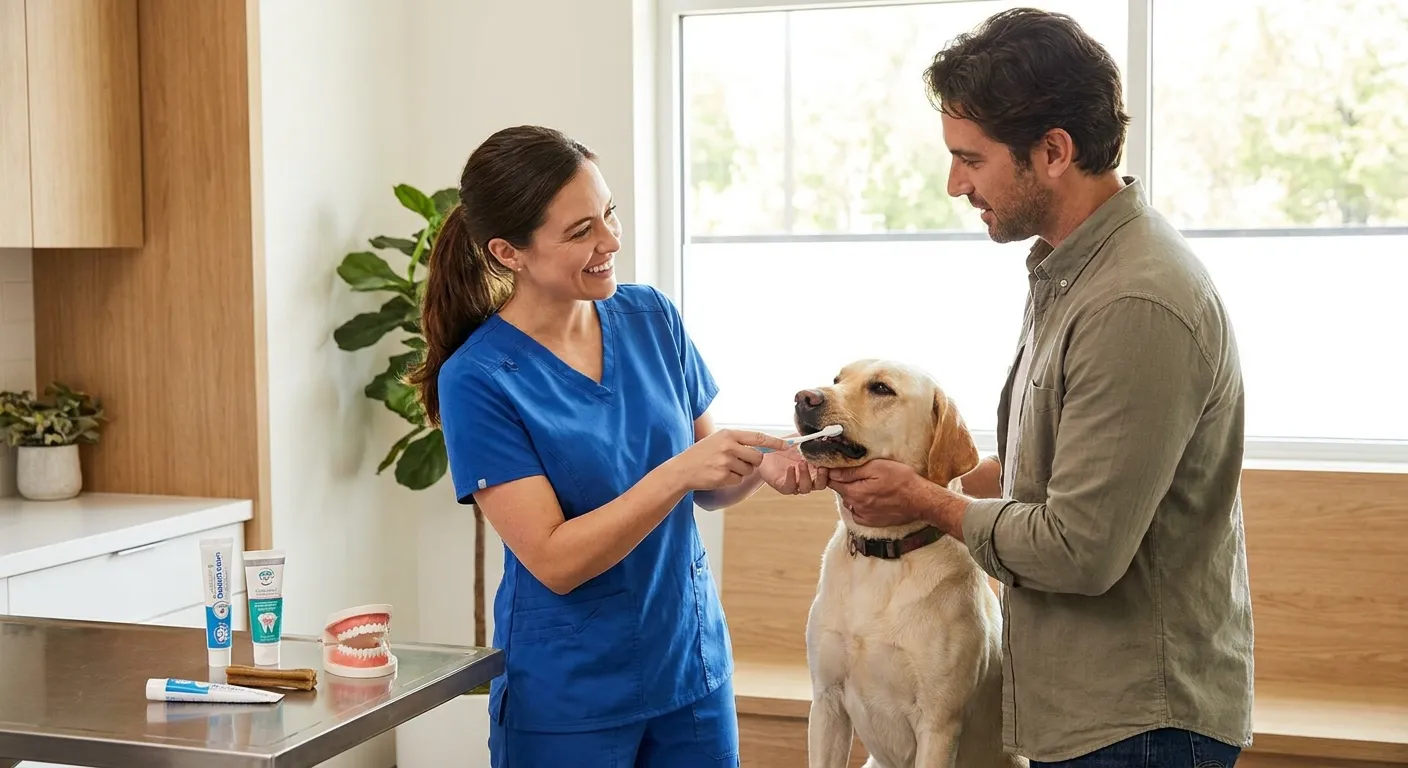
Regular at-home dental care is your first line of defense. Start by introducing tooth brushing early in your Labrador’s life. Use a dog-specific toothbrush and toothpaste (never human toothpaste). Aim for daily brushing, or at least several times a week, focusing on the outer surfaces of the teeth. This consistent effort helps remove plaque before it hardens into tartar. Furthermore, making it a positive experience with praise and rewards will encourage cooperation.
Dental chews and toys designed to reduce plaque can also be beneficial. However, choose reputable brands and supervise your dog to prevent choking hazards. Look for products vetted by the Veterinary Oral Health Council (VOHC) for proven effectiveness. Water additives formulated to improve oral health can also complement brushing, offering an extra layer of protection against bacterial growth. Consult your veterinarian for recommendations on suitable products.
The Role of Professional Dental Cleanings for Optimal Oral Health
Even with diligent at-home care, professional dental cleanings under anesthesia are often necessary. Your veterinarian can thoroughly scale and polish your Labrador’s teeth, addressing areas that home brushing can’t reach and performing necessary extractions or treatments. These cleanings allow for a comprehensive oral examination, identifying potential issues before they become severe. Discuss with your vet how often your Labrador might need a professional cleaning, as this can vary based on age, diet, and individual predisposition to dental disease. For instance, some Labradors may require more frequent cleanings due to genetic factors.
Recognizing the Signs of Dental Problems in Your Labrador
As a responsible owner, it’s crucial to recognize the early signs of dental problems. Common indicators include bad breath (halitosis), difficulty eating, pawing at the mouth, drooling, red or swollen gums, and visible tartar buildup. Sometimes, changes in behavior, such as irritability or reluctance to play, can also signal pain. If you notice any of these symptoms, schedule a veterinary check-up promptly. Early detection and intervention can prevent further complications and ensure your Labrador’s comfort.
Dietary Considerations for Your Labrador’s Teeth
Your Labrador’s diet plays a significant role in their dental health. While kibble is often thought to clean teeth, not all dry foods are equally effective. Some specialized dental diets are formulated with unique kibble shapes and textures to provide a scrubbing action as your dog chews. These diets can help reduce plaque and tartar accumulation. On the other hand, avoid feeding excessive sugary treats or table scraps, which can contribute to dental decay. Always choose high-quality dog food. For more insights on overall health, consider reading about The Complete Labrador Retriever Health Guide.
Advanced Dental Care: Beyond Brushing
Beyond the basics, there are other advanced options to consider for your Labrador’s oral hygiene. Dental sealants can be applied to protect tooth surfaces from plaque and tartar accumulation, particularly in younger dogs. Additionally, some veterinarians offer advanced imaging techniques, such as dental X-rays, to assess the health of teeth below the gum line and identify hidden problems. These proactive measures are integral to comprehensive dental care. Consult your vet to see if these options are suitable for your Labrador.
The Link Between Oral Health and Systemic Well-being
The health of your Labrador’s mouth is intrinsically linked to their overall systemic health. Bacteria from severe periodontal disease can enter the bloodstream and travel to vital organs, potentially causing serious conditions like endocarditis (heart infection), kidney disease, and liver issues. Therefore, maintaining good oral hygiene is not merely about preventing bad breath or tooth loss; it’s a critical component of preventive medicine. This holistic approach aligns with our brand’s mission at Labrador Healthcare. For further understanding of how different aspects of health are connected, explore our guide on Proactive Health Management Aging.
Addressing Specific Dental Concerns: Fractured Teeth and Malocclusions
Labradors, known for their love of chewing, can sometimes suffer from fractured teeth. Chewing on hard objects like bones or antlers can lead to chips or breaks, which are often painful and can expose the tooth’s pulp, leading to infection. Similarly, some Labradors may have malocclusions (misaligned bites) that can cause abnormal wear or trapping of food, predisposing them to dental disease. Your vet can assess these specific concerns and recommend appropriate treatments, which may include dental bonding, root canal therapy, or extractions. Early intervention is vital for managing these conditions effectively.
Choosing the Right Dental Products for Your Labrador
With a plethora of dental products available, selecting the right ones for your Labrador can be overwhelming. Always look for products that carry the VOHC seal of acceptance, indicating they meet rigorous standards for reducing plaque and tartar. This includes specific toothpastes, brushes, dental chews, and water additives. Avoid human dental products, as they often contain ingredients harmful to dogs, such as xylitol. Your veterinarian is the best resource for personalized recommendations based on your dog’s individual needs and preferences. Furthermore, regular check-ups can help monitor the effectiveness of your chosen products.
Establishing a Consistent Dental Routine: A Lifetime Commitment
Establishing a consistent dental routine early in your Labrador’s life sets the foundation for lifelong oral health. Start with short, positive brushing sessions and gradually increase the duration. Incorporate dental chews and toys into their daily play. Remember, consistency is more important than intensity. Even a few minutes several times a week can make a significant difference. This commitment to routine dental care prevents many common issues. Moreover, it empowers you to be a proactive partner in your Labrador’s well-being. For senior Labradors, maintaining this routine is especially critical, as discussed in Embracing the Golden Years: A Holistic Guide to Senior Labrador Care.
The Importance of Regular Veterinary Check-ups for Oral Health
Beyond professional cleanings, regular veterinary check-ups are essential for monitoring your Labrador’s oral health. During these routine visits, your vet will perform a visual examination of your dog’s mouth, looking for any signs of disease, such as gum inflammation, broken teeth, or unusual growths. These examinations are crucial for early detection of problems that might not be apparent during at-home checks. Timely intervention can often prevent minor issues from escalating into major health concerns. Therefore, never skip these vital appointments. These are important for all aspects of Labrador joint health too.
Preventing Periodontal Disease: A Lifelong Effort
Preventing periodontal disease in Labradors is a lifelong effort that combines consistent home care with professional veterinary oversight. This chronic inflammatory condition, if left unchecked, can lead to severe pain, tooth loss, and systemic health complications. By implementing the suggested Labrador dental care tips, such as daily brushing, appropriate dental chews, and regular professional cleanings, you significantly reduce the risk. It’s an investment in your dog’s comfort and overall health. Indeed, prevention is always better than cure when it comes to oral health.
Understanding Anesthesia for Professional Dental Procedures
Many owners express concern about anesthesia for professional dental cleanings. However, modern veterinary anesthesia protocols are very safe, especially for routine procedures. Your veterinarian will conduct a thorough pre-anesthetic examination, which often includes blood work, to ensure your Labrador is a good candidate. During the procedure, your dog’s vital signs will be closely monitored. The benefits of a thorough cleaning and examination under anesthesia far outweigh the minimal risks, particularly when considering the alternative of untreated dental disease. Discuss any concerns you have with your vet, who can provide detailed information and reassurance.
Conclusion: Prioritizing Your Labrador’s Oral Health
Prioritizing your Labrador’s dental health is an investment in their long-term well-being. By combining consistent at-home care with regular professional check-ups, you can ensure your beloved companion maintains a healthy, happy smile for many years to come. Remember, a healthy mouth contributes significantly to a healthy body and a vibrant life. These comprehensive Labrador dental care tips are designed to empower you in providing the best possible care. For more information on canine dental health, consider visiting the American Veterinary Medical Association’s (AVMA) pet dental care resources or the Veterinary Oral Health Council (VOHC) website.
FAQ
What are the most effective ways to keep my Labrador’s teeth clean at home?
The most effective method is daily tooth brushing using a dog-specific toothbrush and enzymatic toothpaste. Additionally, incorporating VOHC-approved dental chews and water additives can provide supplementary benefits to maintain good oral hygiene.
How often should my Labrador have a professional dental cleaning?
The frequency of professional dental cleanings varies for each Labrador. Factors such as age, diet, genetics, and the effectiveness of home care influence this. Generally, veterinarians recommend cleanings every 1-3 years. Your vet will advise the best schedule for your dog.
What are common signs of dental disease in dogs?
Common signs of canine dental disease include persistent bad breath, red or swollen gums, visible tartar, bleeding from the mouth, difficulty eating, pawing at the mouth, and reduced appetite. If you observe any of these, consult your veterinarian.
Is human toothpaste safe for my Labrador?
No, human toothpaste is not safe for dogs. It often contains fluoride and xylitol, which are toxic to canines. Always use toothpaste specifically formulated for dogs, which is safe to swallow and comes in flavors appealing to them.
Can diet impact my Labrador’s oral health?
Yes, diet significantly impacts oral health. Some specialized dental diets are designed to reduce plaque and tartar buildup through their texture and ingredients. Conversely, sugary treats and soft foods can contribute to dental problems. A balanced, appropriate diet is essential for maintaining strong teeth and gums.