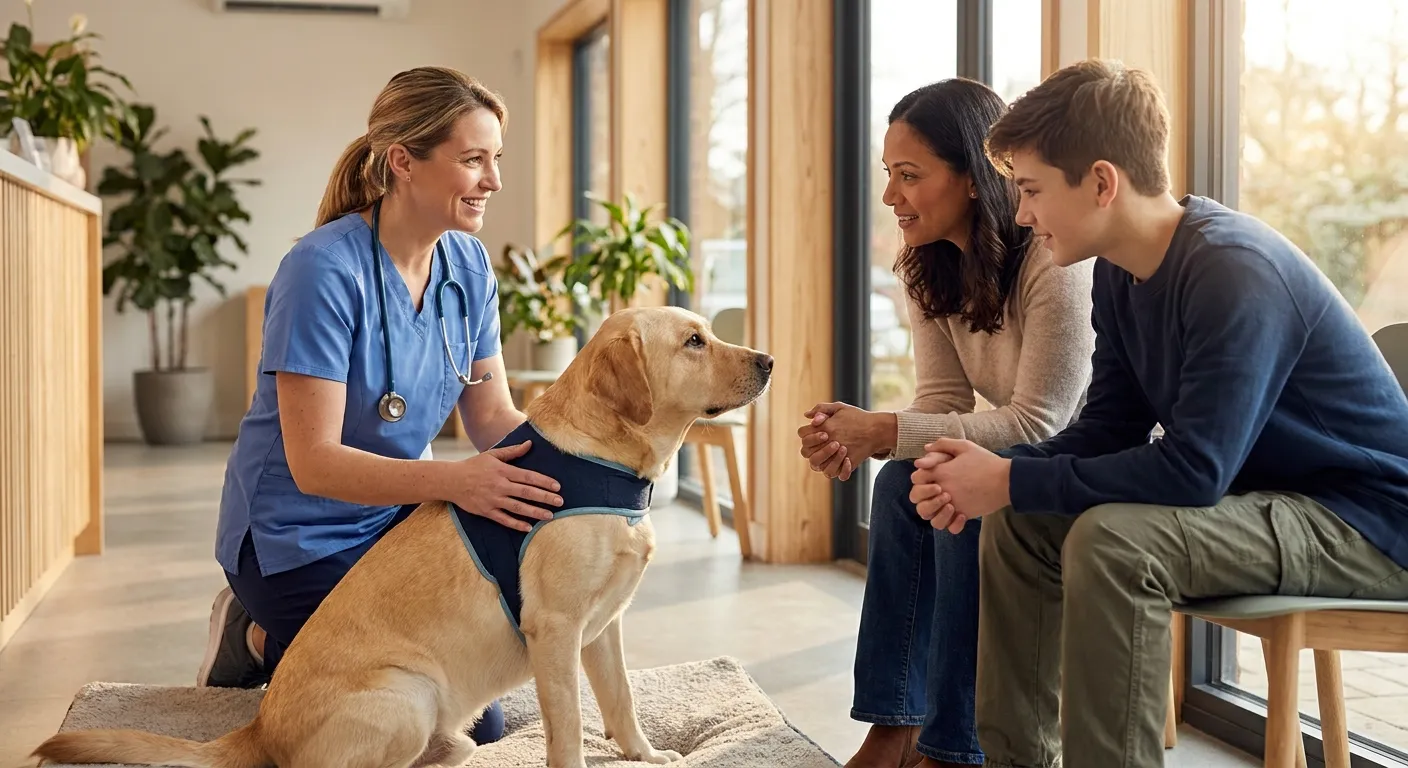
Labradors are cherished for their affectionate nature and strong bonds with their families. Consequently, this deep attachment can sometimes make them susceptible to separation anxiety. This common behavioral challenge can manifest in various stressful ways, affecting both the dog and their owner. Understanding and implementing effective Labrador separation anxiety solutions is crucial for helping your companion feel safe and secure when left alone. Our goal at Labrador Healthcare is to empower you with the knowledge to foster a calm and confident environment for your beloved pet.
Recognizing the Signs of Separation Distress in Labradors
It is important to differentiate between normal puppy behaviors and true separation anxiety. Typically, signs of distress often appear shortly after you leave or within 20-45 minutes of your departure. These can include excessive barking or howling, particularly when you are out of sight. Furthermore, destructive chewing or scratching, especially around exits like doors and windows, is a common indicator. Inappropriate urination or defecation indoors, pacing, or frantic attempts to escape also signal distress. Some Labradors might also exhibit excessive drooling or panting, even in a cool environment. Observing these patterns consistently when you are away strongly indicates that your Labrador is experiencing significant emotional discomfort.
Understanding these signs is the first step toward effective intervention. For instance, if your Labrador only chews on their toys when you are gone, it might just be boredom. However, if they target doorframes or windowsills, it points more towards anxiety. Monitoring your dog’s behavior through a pet camera can provide invaluable insights into what happens when you are not home. This objective observation helps confirm if the behaviors are indeed linked to your absence rather than other factors. Early recognition allows for timely implementation of strategies to alleviate their stress.
Implementing Practical Labrador Separation Anxiety Solutions
Addressing separation anxiety requires patience, consistency, and a multi-faceted approach. We believe in empowering owners with actionable steps. Here are key strategies to help your Labrador cope with being alone.
Gradual Desensitization and Counter-Conditioning
One of the most effective strategies involves gradual desensitization. Begin with very short absences, perhaps just a few seconds, gradually increasing the duration as your dog remains calm. For example, step outside for five seconds, then return. If your dog stays relaxed, try ten seconds next time. This process systematically teaches your Labrador that your departures are not a cause for alarm and that you will always return. Moreover, practice “mock departures” where you go through your leaving routine – grabbing keys, putting on your coat – but do not actually leave. This helps desensitize them to the cues that typically trigger anxiety. Over time, these actions become less significant indicators of your imminent departure.
Counter-conditioning pairs your departure with something positive. For example, give your Labrador a high-value, long-lasting chew toy or a puzzle feeder filled with treats just before you walk out the door. This creates a positive association with your leaving, helping to shift their emotional response from fear to anticipation of a reward. Ensure the treat is only given when you leave and taken away upon your return, maintaining its special status. This technique can significantly reduce the negative feelings associated with your absence.
Creating a Safe and Comforting Space
Providing a comfortable, secure area is vital for a dog prone to separation anxiety. This could be a crate, if your Labrador is crate-trained and genuinely enjoys being in it, or a specific room. The space should be seen as a sanctuary, not a punishment. Furthermore, enrich this area with familiar smells, like an old t-shirt with your scent, comforting toys, and fresh water. Some owners find that a dog bed in a quiet corner of the house provides the necessary sense of security. The goal is to create a den-like environment where your dog feels protected and at ease.
Consider using a white noise machine or playing calming music specifically designed for dogs. These can help mask external noises that might trigger anxiety and create a more tranquil atmosphere. Consistency in where your dog stays when you are gone also helps build predictability, which is comforting for anxious dogs. This dedicated space becomes their safe haven, a place they can retreat to and feel secure, even when you are not present.
Mental and Physical Stimulation Before Departure
A well-exercised and mentally stimulated Labrador is often a calmer Labrador. A good, brisk walk or an engaging play session before you leave can help tire your Labrador out, making them more likely to rest while you are away. Physical exertion releases endorphins, which have a natural calming effect. In addition, mental stimulation through puzzle toys or training sessions can be equally beneficial. These activities engage their brains, preventing boredom which can sometimes exacerbate anxiety. For example, a snuffle mat or a KONG filled with frozen peanut butter can keep them occupied for a significant period. This proactive approach helps drain their energy reserves positively, reducing the likelihood of anxious behaviors.
Ensuring your Labrador receives adequate daily exercise is also crucial for overall well-being, which indirectly supports anxiety management. For insights into maintaining your dog’s physical health, you might find our article on Keeping Your Labrador Active: A Guide to Joint Health and Preventing Weight Gain helpful. A healthy body often contributes to a healthy mind, making your Labrador more resilient to stress.
Managing Departures and Arrivals
Keep departures and arrivals low-key to minimize the emotional impact on your Labrador. Avoid overly emotional goodbyes or excited greetings. A calm, matter-of-fact departure communicates to your dog that your leaving is not a big event. Similarly, when you return, wait until your Labrador has calmed down before engaging with them. This teaches them that calm behavior is rewarded, not frantic excitement. For instance, ignore them for the first few minutes, then calmly greet them once they are settled. This strategy helps to decouple your presence from intense emotional highs and lows, fostering a more balanced emotional state for your dog.
Many owners inadvertently reinforce anxiety by making a big fuss when leaving or returning. While it’s natural to miss your pet, this can inadvertently heighten their anxiety about your absence or presence. A relaxed approach helps your Labrador understand that your comings and goings are simply a normal part of life. Consistency in these low-key interactions is key to establishing a predictable and less stressful routine.
Considering Calming Aids and Professional Guidance
For some Labradors, calming aids can provide additional support. Consult your veterinarian about pheromone diffusers, such as Adaptil, which release synthetic dog appeasing pheromones to create a calming environment. Calming supplements containing ingredients like L-theanine or tryptophan might also be recommended. Furthermore, products like thunder shirts, which apply gentle, constant pressure, can have a calming effect similar to swaddling an infant. These aids are typically most effective when used in conjunction with behavioral modification techniques, not as standalone Labrador separation anxiety solutions.
When to Seek Professional Help for Labrador Separation Anxiety
For severe or persistent cases of separation anxiety, it is always best to consult with a professional. A certified professional dog trainer or a veterinary behaviorist can provide tailored strategies, identify underlying causes, and, if necessary, discuss medication options in conjunction with behavioral modification techniques. These experts have the experience and knowledge to assess your dog’s specific situation and develop a comprehensive plan. Early intervention can prevent the anxiety from escalating and significantly improve your Labrador’s quality of life. At Labrador Healthcare, we emphasize a proactive approach to your pet’s health, including their mental well-being.
A veterinary behaviorist, for example, can rule out any medical conditions that might be contributing to anxiety. Sometimes, pain or an undiagnosed illness can manifest as behavioral changes, including anxiety. Therefore, a thorough medical check-up is a crucial first step. Moreover, they can guide you through advanced counter-conditioning and desensitization protocols that might be too complex to implement effectively on your own. They can also provide a realistic timeline for improvement and help manage expectations throughout the process.
Understanding age-related health changes can also be important, as anxiety can sometimes develop or worsen in older dogs. Our resource Understanding Age Related Health: A Clear Guide for Senior Well-being offers valuable insights into conditions that might affect senior Labradors, including cognitive dysfunction which can sometimes present with anxiety-like symptoms.
Long-Term Management and Prevention
Preventing separation anxiety begins early in a Labrador’s life. Teach puppies to be comfortable with solitude from a young age by gradually increasing alone time. This foundational training helps them develop independence. Furthermore, consistent routines provide a sense of security and predictability, which is particularly beneficial for anxious dogs. A stable home environment, combined with regular exercise and mental enrichment, lays the groundwork for a well-adjusted companion.
Even if your Labrador has overcome severe separation anxiety, continued vigilance and occasional practice of alone-time exercises are beneficial. Relapses can occur, especially after significant life changes such as moving to a new home or a change in family dynamics. Maintaining a proactive approach ensures that any potential issues are addressed quickly, preventing them from escalating. Remember, building confidence in your dog is an ongoing process that requires dedication and understanding.
For owners of senior Labradors, maintaining mental and physical health is paramount. Our comprehensive guide on Embracing the Golden Years: A Holistic Guide to Senior Labrador Care provides further strategies to support your aging companion, including ways to manage potential cognitive decline that can sometimes exacerbate anxiety.
Conclusion
Helping your Labrador overcome separation anxiety takes time, patience, and dedication. By understanding the signs, implementing consistent, compassionate strategies like gradual desensitization and creating a safe space, you can significantly improve your beloved companion’s well-being. Remember to keep departures and arrivals calm, and always provide ample mental and physical stimulation. For persistent or severe cases, do not hesitate to seek professional guidance from a veterinary behaviorist or certified dog trainer. At Labrador Healthcare, we are committed to supporting you in providing your Labrador with the security and confidence they need to thrive, even when you are not by their side. These Labrador separation anxiety solutions are designed to foster a happier, healthier life for your cherished pet.
FAQ
What exactly is Labrador separation anxiety?
Labrador separation anxiety is a condition where a dog experiences extreme distress when separated from their owner or primary attachment figure. It manifests through various behaviors like destructive chewing, excessive vocalization, or house soiling, specifically triggered by the owner’s absence.
How can I tell if my Labrador has separation anxiety or is just misbehaving?
The key difference lies in the timing and context of the behavior. Anxious behaviors typically occur only when you are absent or are about to leave, and they are not usually present when you are home. Misbehavior, such as chewing a shoe while you are in the room, is usually not linked to distress from your absence.
Are there natural remedies for dog separation stress?
While not a substitute for behavioral modification, some natural approaches can support your dog. These include calming supplements, pheromone products, and creating a comfortable, safe environment with familiar scents. Always consult your vet before starting any new supplements.
How long does it take to resolve a Labrador’s separation distress?
The timeline for resolving separation anxiety varies greatly depending on the severity of the anxiety, the consistency of the owner’s efforts, and the individual dog. It can range from several weeks to several months, and some dogs may require ongoing management. Patience is essential.
Can crate training help with my Labrador’s anxiety when left alone?
Crate training can be beneficial if your Labrador views their crate as a safe, comfortable den. However, if they associate the crate with punishment or confinement, it can worsen their anxiety. It is crucial to introduce the crate positively and ensure it is a secure space they enjoy.
Should I get another dog to help my anxious Labrador?
Introducing another dog is generally not recommended as a primary solution for separation anxiety. The anxiety is typically directed at the absence of the human, not just being alone. A new dog might even add more stress or develop anxiety themselves. Professional guidance is always best for this complex issue.