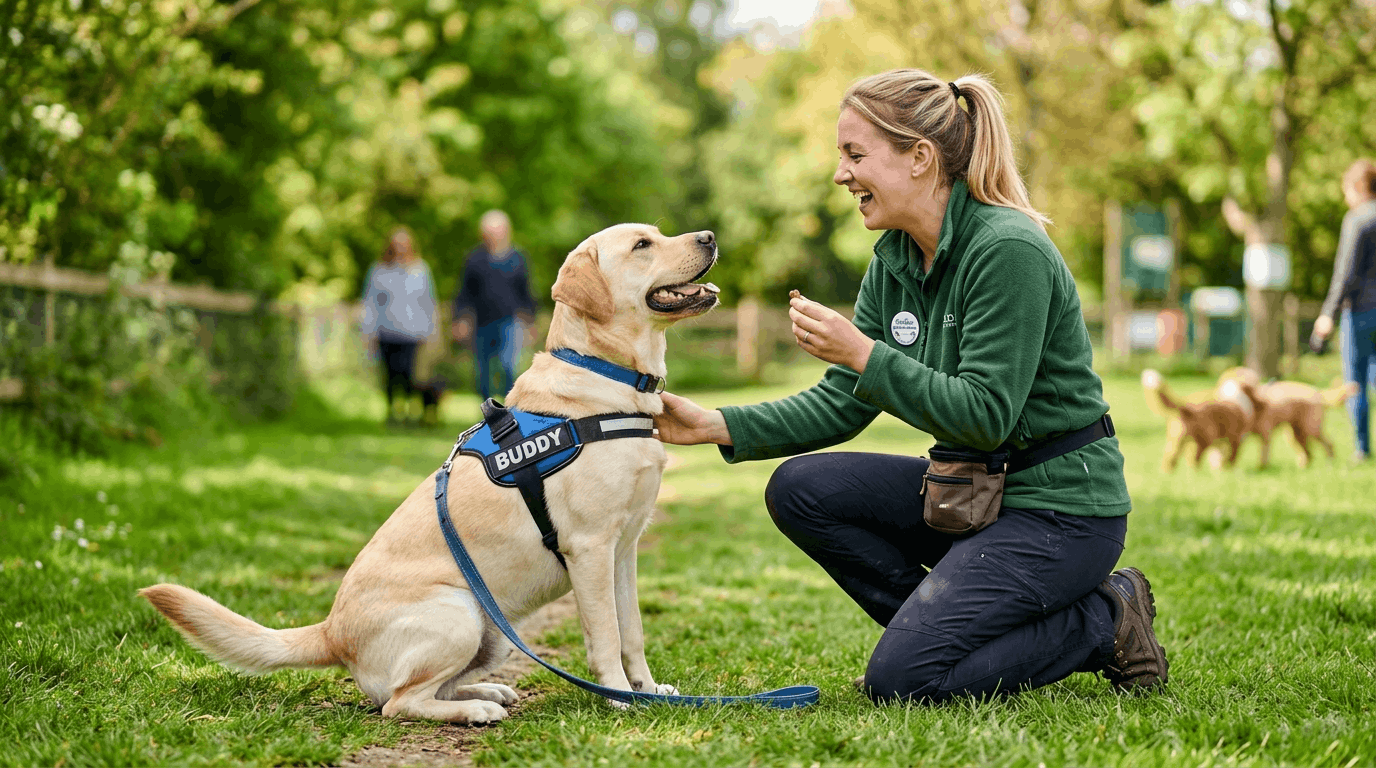
Labradors are intelligent, energetic, and eager to please, which makes them one of the easiest dog breeds to train. However, their excitement and playful nature can sometimes create challenges for owners. Jumping, pulling on the leash, chewing, barking, and ignoring commands are common behaviors, especially during puppyhood. Fortunately, positive reinforcement for Labradors offers a simple and highly effective way to build obedience while maintaining a strong relationship with your dog.
Reward-based training focuses on encouraging good behavior instead of punishing unwanted actions. Rather than correcting mistakes harshly, owners reward behaviors they want repeated. Because Labradors naturally seek approval and rewards, they respond extremely well to this method. In many cases, training becomes faster, calmer, and far more enjoyable for both the dog and the owner.
Many dog owners worry that reward-based training spoils dogs or encourages dependence on treats. In reality, consistent reinforcement teaches Labradors to associate good behavior with positive outcomes. Over time, those behaviors become habits that remain reliable even when treats are reduced.
Training should never feel stressful or intimidating. Instead, it should strengthen communication and build trust. Since Labradors thrive on interaction, positive methods help them stay motivated and engaged throughout the learning process.
Why Labradors Respond So Well to Reward-Based Training
Labradors are highly social dogs that enjoy attention, praise, and interaction. Because of this personality trait, they learn quickly when training feels rewarding and encouraging. Positive reinforcement for Labradors works especially well because the breed naturally seeks approval from people.
Unlike stubborn breeds that prefer independence, Labradors usually want to cooperate. As a result, they often repeat behaviors that earn rewards. Whether the reward is food, praise, toys, or affection, the dog begins connecting obedience with positive experiences.
This approach also reduces fear and anxiety during training sessions. Harsh corrections can confuse sensitive dogs or create nervous behavior. In contrast, positive reinforcement builds confidence and encourages Labradors to try new commands without fear of failure.
Another major advantage involves consistency. Reward-based methods clearly show dogs which behaviors are correct. Consequently, learning becomes easier to understand. Instead of focusing on punishment, the dog focuses on success.
Young Labradors benefit greatly from this structure. Puppies have short attention spans, so encouraging small victories keeps them interested. Furthermore, positive training helps channel their energy into productive behavior rather than frustration.
Owners often notice stronger emotional bonds as well. Since the training process feels cooperative instead of confrontational, Labradors learn to trust their owners more deeply. That trust eventually improves obedience in daily life.
Building Basic Obedience Through Consistency
Every successful training program begins with consistency. Labradors learn best when commands, rewards, and expectations remain predictable. Therefore, owners should use the same words and reactions during every training session.
Simple commands such as sit, stay, come, and down create the foundation for long-term obedience. These commands may seem basic, yet they help Labradors develop impulse control and focus. Additionally, they make daily life much easier for owners.
Training sessions should remain short and positive. Most Labradors respond well to sessions lasting 10 to 15 minutes. Since dogs learn through repetition, several short sessions often work better than one long lesson.
Timing matters greatly during reward-based training. Rewards should happen immediately after the correct behavior. Otherwise, the dog may become confused about which action earned the reward. Quick praise helps Labradors connect behavior with outcome more effectively.
Treats are helpful during early training stages because Labradors are highly food motivated. However, praise and affection should accompany treats whenever possible. Over time, dogs begin valuing verbal approval alongside food rewards.
Consistency at home is equally important. If one family member allows jumping while another discourages it, the dog receives mixed signals. Consequently, progress slows down. Clear household rules create better long-term behavior.
Patience also plays a major role in success. Some commands require more repetition than others. Nevertheless, staying calm and encouraging helps Labradors remain motivated during the learning process.
Using Rewards the Right Way
Many owners misunderstand how rewards should work during training. Positive reinforcement for Labradors does not mean giving endless treats without structure. Instead, rewards should encourage specific behaviors while supporting gradual learning.
High-value treats often work best for difficult commands or distracting environments. Small pieces of chicken, soft training treats, or healthy dog snacks usually keep Labradors focused. Since these dogs love food, rewards can become powerful motivators.
Verbal praise is another effective tool. A cheerful tone helps Labradors understand they performed correctly. Words like “good dog” or “yes” quickly become positive markers when paired with rewards consistently.
Toys can also motivate some Labradors. Fetch-loving dogs often respond enthusiastically to balls or tug toys during training. In addition, play-based rewards help release extra energy during sessions.
Rewards should eventually become less predictable. Once the dog understands a command consistently, owners can begin rewarding randomly instead of every single time. This process strengthens reliability without creating constant treat dependence.
Avoid rewarding unwanted behavior accidentally. For example, giving attention to a barking Labrador may reinforce barking instead of calmness. Instead, owners should reward quiet behavior and patience.
Training should remain upbeat and encouraging throughout the process. Labradors tend to shut down emotionally if sessions become harsh or frustrating. Therefore, maintaining a positive atmosphere improves both learning and confidence.
Managing Common Labrador Behavior Problems
Labradors are wonderful companions, yet their enthusiasm can create several behavior challenges. Fortunately, reward-based methods help address many common problems effectively.
Jumping is one of the most frequent complaints among Labrador owners. Because dogs often jump for attention, ignoring the behavior while rewarding calm greetings usually works well. As soon as all four paws stay on the floor, praise and affection should follow immediately.
Leash pulling is another issue, especially with energetic young Labradors. Rather than jerking the leash, owners should reward loose-leash walking consistently. Stopping movement whenever pulling occurs also teaches dogs that pulling does not achieve results.
Chewing can become destructive during puppyhood. Labradors explore the world with their mouths, particularly while teething. Redirecting chewing toward approved toys and rewarding appropriate choices helps prevent furniture damage.
Excessive barking sometimes develops from boredom or excitement. Since Labradors need mental stimulation, training exercises and interactive play can reduce unnecessary barking significantly. Rewarding calm behavior also teaches better self-control.
Recall training deserves special attention because Labradors love exploring outdoors. Positive reinforcement for Labradors strengthens recall by making the owner more rewarding than distractions. Calling the dog cheerfully and rewarding immediate responses builds reliable recall over time.
Counter surfing and food stealing are common because Labradors are strongly food driven. Teaching impulse control through commands such as “leave it” and rewarding patience can reduce these behaviors effectively.
The Importance of Mental Stimulation
Physical exercise alone does not fully satisfy a Labrador’s needs. These dogs also require mental stimulation to remain calm and obedient. Therefore, training itself becomes an important form of mental enrichment.
Labradors enjoy solving problems and learning new tasks. Teaching tricks, practicing commands, and introducing interactive games help prevent boredom. Consequently, mentally engaged dogs often display fewer destructive behaviors.
Puzzle toys provide excellent stimulation during quiet hours at home. Food-dispensing toys encourage Labradors to think and work for rewards instead of becoming restless. Additionally, these toys slow down fast eaters.
Scent games also work extremely well because Labradors naturally enjoy using their noses. Hiding treats or toys around the house creates fun opportunities for mental exercise. Moreover, scent work helps anxious dogs focus calmly.
Training sessions should continue throughout adulthood. Many owners stop training once basic obedience improves, yet ongoing learning keeps Labradors mentally balanced. New commands and challenges maintain engagement while strengthening communication.
Positive reinforcement for Labradors supports mental growth by making learning enjoyable instead of stressful. Dogs become eager participants rather than reluctant learners. This attitude often improves obedience in many other areas of life.
Creating a Strong Bond Through Training
Obedience training is about more than commands and rules. At its core, training strengthens the relationship between dog and owner. Labradors especially thrive when they feel connected to their families.
Reward-based training builds trust because the dog learns that guidance leads to positive outcomes. Instead of fearing correction, the Labrador feels encouraged to cooperate. Consequently, communication improves naturally over time.
Dogs trained with patience often display greater emotional stability. They feel safer exploring new environments because they trust their owner’s guidance. This confidence can reduce fear-based reactions and improve social behavior.
Daily training routines also create structure. Labradors benefit from predictable expectations because consistency reduces confusion and overstimulation. Even a few minutes of practice each day reinforces healthy habits.
Owners should remember that emotional energy affects training success. Frustration and anger may confuse dogs or reduce focus. In contrast, calm and positive guidance helps Labradors remain attentive and cooperative.
Celebrating small victories matters as well. Progress may happen gradually, especially with energetic puppies. However, every successful command strengthens long-term behavior and deepens trust between owner and dog.
Because Labradors are naturally affectionate, positive training methods help preserve their friendly temperament while encouraging better manners.
Avoiding Common Training Mistakes
Even dedicated owners sometimes make training mistakes that slow progress. Understanding these issues can improve results significantly.
Repeating commands too often is a common problem. If owners say “sit” multiple times before the dog responds, Labradors may learn to ignore the first command. Instead, commands should remain clear and consistent.
Training when frustrated also creates setbacks. Dogs respond to emotional tone quickly, so impatience may reduce confidence and focus. Taking short breaks often improves training quality.
Another mistake involves expecting too much too quickly. Puppies especially need time to mature mentally. Therefore, gradual progress should remain the goal rather than perfection.
Inconsistent rewards may also confuse Labradors. Owners should clearly reward desired behaviors while avoiding accidental reinforcement of unwanted actions.
Skipping socialization can create behavioral problems later. Labradors need positive exposure to people, sounds, and environments during early development. Controlled social experiences help prevent fear and anxiety as dogs mature.
Physical punishment should always be avoided. Harsh corrections may damage trust while increasing stress or fear. Since Labradors respond strongly to encouragement, positive methods remain far more effective.
Long-Term Success With Positive Training
Training is not a one-time task. Instead, it becomes part of daily life with a Labrador. Positive reinforcement for Labradors creates lasting obedience because it focuses on trust, consistency, and motivation rather than fear.
Dogs trained with positive methods often remain eager to learn throughout their lives. They develop stronger confidence, better emotional balance, and healthier communication with their owners. Furthermore, training sessions become enjoyable experiences instead of stressful obligations.
Labradors want to please the people they love. When owners guide behavior with patience and encouragement, these dogs usually respond with loyalty and enthusiasm. As a result, obedience improves naturally over time.
Consistency remains the key to long-term success. Clear expectations, regular practice, and positive rewards help Labradors understand exactly what behaviors are expected. Although challenges may appear during puppyhood or adolescence, patient training builds reliable habits gradually.
Every Labrador learns at a slightly different pace. Nevertheless, reward-based methods provide a supportive foundation that encourages steady progress. Whether teaching basic manners or advanced obedience, positive reinforcement helps create a calmer, happier, and more cooperative dog.
Ultimately, successful training is about building partnership rather than control. By focusing on encouragement instead of punishment, owners can help their Labradors become well-behaved companions while strengthening a lifelong bond built on trust and respect.
FAQ
1. What is the best age to start obedience training for a Labrador?
Labrador puppies can begin simple training and socialization as early as eight weeks old with short, positive sessions.
2. Are treats necessary for reward-based dog training?
Treats help motivate many Labradors, especially during early learning stages, but praise and toys also work well.
3. How long should daily training sessions last?
Most Labradors learn best with short sessions lasting around 10 to 15 minutes several times each day.
4. Can older Labradors still learn new commands?
Yes. Adult Labradors can learn new behaviors successfully when training remains consistent, patient, and encouraging.
5. Why does my Labrador ignore commands outside?
Outdoor distractions can reduce focus. Practice commands gradually in different environments while rewarding successful responses consistently.