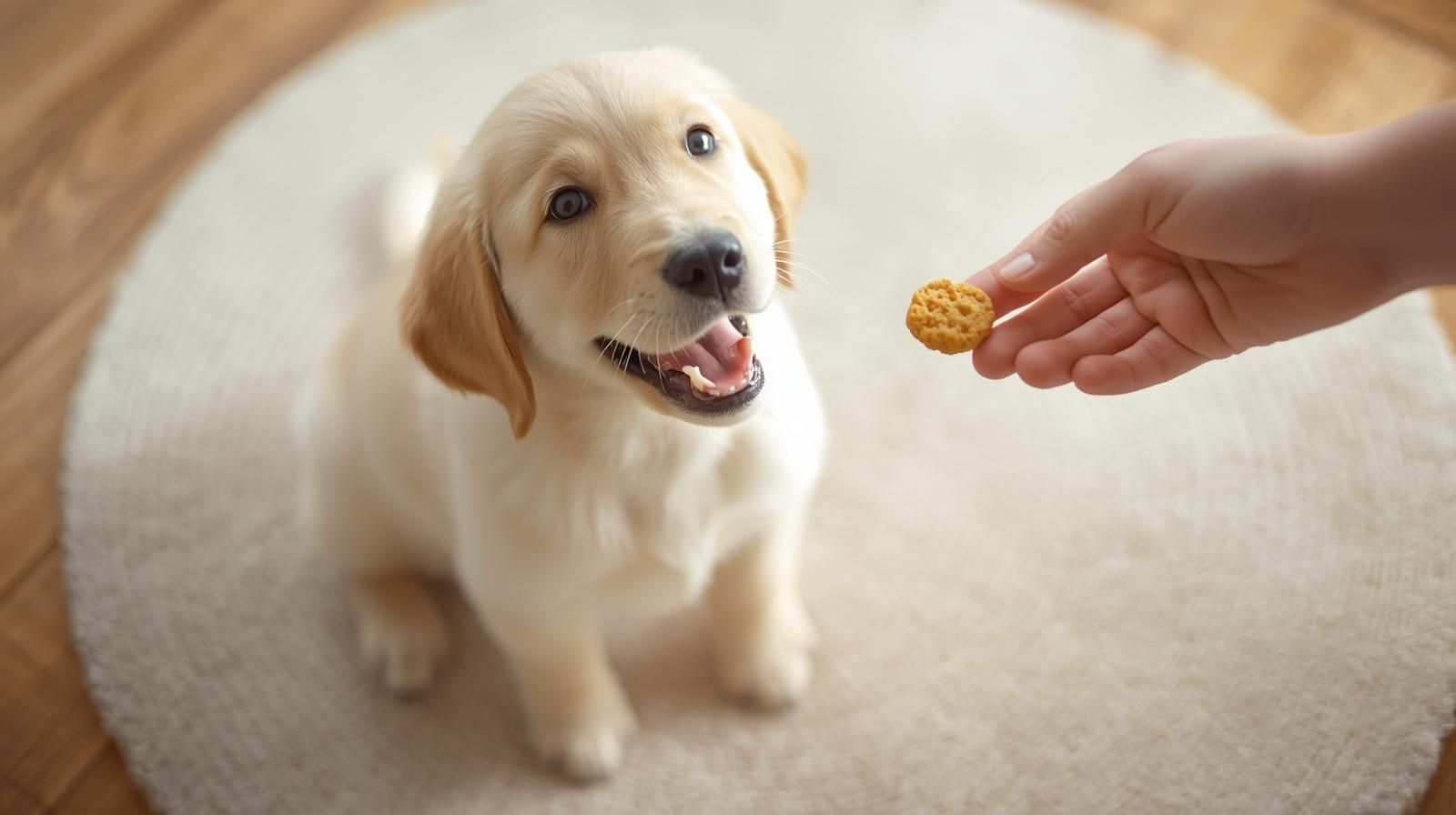
If you’ve ever looked into your Labrador puppy’s eyes, you know that they’re eager to please. Labradors are loyal, intelligent, and full of energy—but without guidance, that energy can turn into chaos. The good news? You don’t need harsh commands or punishments to raise a well-behaved Lab. Reward-based Labrador puppy training makes the process gentle, fun, and incredibly effective.
This training method relies on one simple idea: reward the behavior you want to see, and your puppy will repeat it. With patience and consistency, you’ll build a trusting relationship and a happy, obedient dog. Let’s explore how you can make reward-based training work for your Labrador puppy—step by step.
Why Reward-Based Training Works for Labradors
Labradors are naturally food-motivated, people-pleasing, and quick learners. That’s why reward-based training suits them perfectly. Instead of punishing mistakes, you reward success. This positive cycle encourages your puppy to focus, listen, and engage with you.
Think of it like this—would you work harder for someone who praises your effort or someone who scolds your every move? Your puppy feels the same way. When learning becomes enjoyable, they want to participate and do their best.
Reward-based Labrador puppy training also strengthens trust. Your puppy learns that you are safe, predictable, and kind. That bond becomes the foundation for lifelong obedience and loyalty.
Understanding Positive Reinforcement
At the heart of reward-based training is positive reinforcement—giving your Labrador puppy something they love right after they do something right. The timing is crucial. The reward should happen within seconds of the desired behavior so your puppy makes the connection.
Rewards can come in different forms:
- Treats: Small, soft, and tasty snacks your puppy loves.
- Praise: A cheerful “Good job!” or “Yes!” said with excitement.
- Toys or Play: A quick game of fetch or tug-of-war as a reward.
- Affection: Gentle petting or a happy pat on the head.
Every puppy is unique. Some respond more to food, others to play or praise. Mix it up to keep your Lab motivated and engaged.
Getting Started: The Right Mindset
Before you begin reward-based Labrador puppy training, set realistic expectations. Puppies are like toddlers—they have short attention spans, get distracted easily, and make mistakes. Training is a marathon, not a sprint.
Start by creating a calm environment with few distractions. Early sessions should be short—five to ten minutes at most. Multiple mini-sessions throughout the day work better than one long one. Consistency and repetition are key.
Keep your tone upbeat. Labradors pick up on your emotions. If you’re calm, patient, and encouraging, your puppy will feel confident. But if you’re frustrated or tense, your Lab may become confused or anxious.
Remember, your goal isn’t just obedience—it’s building a relationship based on trust and understanding.
Essential Commands to Begin With
Reward-based training works best when you start with simple commands. Labradors are intelligent, so they’ll quickly learn the basics if you’re consistent.
1. Sit
Hold a treat above your puppy’s nose and slowly move it back over their head. As their head lifts, their bottom will naturally lower. The moment they sit, say “Sit!” and reward them. Repeat several times a day.
2. Stay
Ask your puppy to sit, then hold your palm in front of them like a stop sign. Take one small step back. If they stay in place, reward them immediately. Gradually increase the distance and time.
3. Come
Use a cheerful tone and crouch down to make yourself inviting. Say “Come!” and reward your Lab as soon as they approach. This builds recall—a critical safety skill for energetic Labradors.
4. Leave It
Place a treat in your closed hand. Let your puppy sniff and paw at it, but don’t open your hand. When they stop trying, say “Leave it!” and give them a different treat from your other hand. This teaches self-control and prevents bad habits.
These simple commands form the backbone of good manners and safety. With each success, your Labrador’s confidence and trust grow stronger.
The Role of Timing and Consistency
Timing can make or break training success. Rewarding too late confuses your puppy—they might think they’re being praised for the wrong action. Always reward immediately after the correct behavior.
Consistency is equally important. Use the same word, tone, and hand signal each time. If you say “Come!” sometimes and “Here, buddy!” other times, your puppy won’t know which one to follow.
Consistency also applies to everyone in your household. Make sure all family members use the same commands and reward system. When everyone’s on the same page, your Labrador learns faster and avoids confusion.
Avoiding Common Training Mistakes
Even the best intentions can go astray. Here are some pitfalls to watch out for:
- Overusing treats: Treats are great motivators, but giving too many can lead to dependency or weight gain. Gradually replace treats with praise as your puppy improves.
- Punishing mistakes: Scolding or physical correction damages trust and makes your Labrador fearful. Instead, redirect unwanted behavior toward a positive alternative.
- Skipping socialization: Reward-based training should include exposure to new people, pets, and environments. Reward calm, confident behavior in each new situation.
- Inconsistent rules: If jumping on guests is sometimes allowed and sometimes not, your Lab will get confused. Consistency builds clarity.
By focusing on positive reinforcement, you’ll raise a Labrador that listens because they want to—not because they’re afraid not to.
Using Rewards Wisely
Not all rewards are equal. To keep your Labrador motivated, vary the type and frequency of rewards. You can use a technique called variable reinforcement—sometimes give a treat, sometimes praise or play. This unpredictability keeps your puppy engaged and eager to earn the next reward.
For example, use high-value treats (like chicken or cheese) for tough commands or distracting environments, and regular treats for simpler tasks. Labradors are smart enough to notice the difference, and it helps them focus when challenges increase.
Always keep treats small. The goal is motivation, not feeding. Training treats should be bite-sized and low-calorie to prevent overfeeding.
Building Trust Through Patience
Reward-based Labrador puppy training isn’t just about behavior—it’s about building trust. Every time you respond calmly to mistakes, you’re showing your puppy that you’re dependable. That trust makes your Lab more likely to listen, even in difficult situations.
For instance, if your puppy chews your shoe, don’t shout. Replace it with a toy, praise them when they chew the right thing, and move on. Over time, your Labrador learns what earns your approval—and that listening to you always leads to good things.
This gentle, patient approach transforms your bond from one of obedience to one of genuine connection.
Making Training Fun
Training doesn’t have to feel like a chore. For Labradors, play is the perfect learning tool. You can turn any command into a game:
- Use “Come!” during a game of hide and seek.
- Practice “Stay” before tossing a ball for fetch.
- Reward calm behavior during walks or playdates.
The more fun training feels, the more your puppy will love it. Labradors thrive on interaction and joy. When learning becomes play, obedience becomes second nature.
Gradually Reducing Dependence on Treats
As your puppy masters basic commands, start reducing treat frequency. This doesn’t mean eliminating rewards altogether—it means shifting to praise, play, and affection.
You can use the “random reward” technique: reward occasionally rather than every time. This keeps your Lab guessing and motivated, much like a slot machine player hoping for the next win. Eventually, your Labrador will obey out of habit and connection, not just for snacks.
Conclusion
Reward-based Labrador puppy training isn’t just an effective way to teach commands—it’s the foundation of a lifelong bond. By focusing on positive reinforcement, patience, and clear communication, you help your puppy grow into a confident, loving companion who trusts you completely.
Training should never be about control—it’s about cooperation. When you train with kindness, your Labrador doesn’t just learn to obey; they learn to trust, love, and respect you in return. With time, your gentle approach will turn your curious puppy into the loyal best friend every dog owner dreams of.
FAQ
1. When should I start reward-based training for my Labrador puppy?
Start as early as 8 weeks old. Labradors are quick learners, and early positive reinforcement builds lasting habits.
2. How often should I train my Labrador puppy?
Short sessions, 5–10 minutes, two or three times a day work best. Puppies learn better through repetition and consistency.
3. What kind of treats are best for training?
Use small, soft treats your puppy loves. Healthy options like cooked chicken, cheese bits, or store-bought training treats work well.
4. Can I use toys instead of treats for rewards?
Absolutely. Many Labradors respond well to toys, playtime, or affection. Mix up rewards to keep training exciting.
5. What should I do if my puppy doesn’t listen?
Stay patient. Don’t punish or yell. Return to easier commands, use higher-value rewards, and keep sessions short and positive.