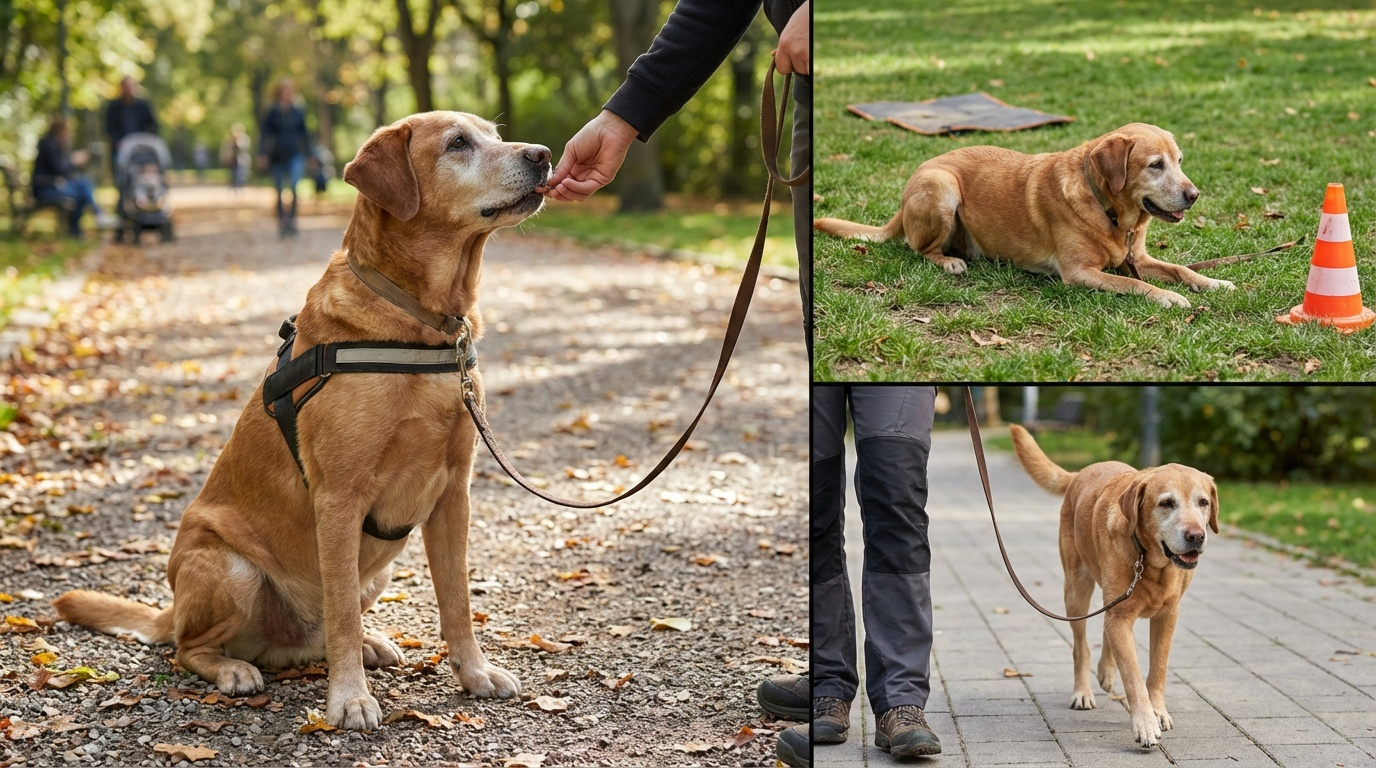
Training a young Labrador often feels energetic and fast-paced, but when your dog enters their senior years, everything slows down. Their hearing may not be as sharp, their joints may feel stiff, and their energy level may change noticeably. Yet training still matters, perhaps more than ever. When you train senior Labradors with patience and positivity, you give them structure, confidence, and mental stimulation that supports their long-term well-being. Senior dogs may learn differently, but they absolutely can learn—and they often enjoy the process deeply.
Although aging Labradors move more slowly, their desire for connection remains strong. They still want to please you, feel useful, and participate in daily routines. Training offers them a sense of purpose and predictability. Instead of focusing on precision or speed, training senior Labradors requires comfort, clarity, and encouragement. When you shift your expectations and adapt your methods, you create a training environment that feels supportive instead of stressful.
Many owners assume training ends as dogs age, but senior Labradors benefit tremendously from ongoing learning. Training supports their mental sharpness, reduces anxiety, and strengthens your bond. It also helps manage age-related behavioral changes. Memory lapses, reduced stamina, or new fears sometimes appear in older dogs, but positive training helps stabilize their emotional world. When you train senior Labradors with kindness, you remind them they are capable, loved, and deeply valued.
Understanding How Aging Affects Learning in Senior Labradors
Aging brings physical and cognitive changes that influence how senior Labradors learn. Their senses fade gradually. Vision may blur, hearing may weaken, and joint discomfort can limit movement. Although these changes may slow training, they do not prevent it. Instead, they simply require adjustments. When you understand the shifts your dog is experiencing, you can train senior Labradors more effectively and compassionately.
Cognitive changes also matter. Some older Labradors experience mild cognitive decline, similar to early dementia in humans. This condition can cause forgetfulness, confusion, or slower responses. However, gentle training exercises help maintain mental sharpness. As you train senior Labradors, focus on clarity and repetition. These dogs still want to learn, but they need more time to process cues.
Energy levels change as well. Senior Labradors may not have the stamina for long training sessions. They tire quickly and may feel overwhelmed if pushed too hard. Short, enjoyable sessions keep them engaged without exhausting them. As long as you stay patient and responsive, they will thrive.
Why Positive Methods Work Best When You Train Senior Labradors
Positive reinforcement remains the gold standard for all dogs, but it becomes especially important during the senior years. Older Labradors are more emotionally sensitive. Harsh tones, frustration, or force can easily upset them. Because they rely heavily on trust, correcting them gently ensures they feel safe. When you train senior Labradors with rewards, they become eager participants rather than worried learners.
Treats, praise, and affection offer powerful motivation. Senior dogs appreciate clear, consistent signals about which behaviors earn rewards. Positive reinforcement builds confidence, especially when dogs struggle with physical or cognitive limitations. It helps them feel successful, even when they cannot perform tasks exactly as they used to.
Another benefit of using positive methods is the emotional comfort it provides. Senior Labradors often experience anxiety when routines shift or health issues arise. Training sessions that use gentle encouragement help calm their nerves. They act as bonding moments that reassure them everything is okay.
Punishment, on the other hand, can damage trust. Older dogs often misinterpret scolding because their senses and processing speeds have changed. They may not understand why they are being corrected. This confusion can lead to fear or withdrawal. When you train senior Labradors using positive approaches, you avoid these emotional setbacks entirely.
Setting Realistic Expectations When Training Senior Labradors
Senior Labradors still learn, but they no longer learn like puppies. Their bodies and minds work differently, so your expectations must shift accordingly. Instead of aiming for perfection, aim for comfort and progress. Celebrate small improvements. If your dog remembers a cue faster than yesterday or remains calm in a new situation, that’s a success.
Begin by evaluating their abilities honestly. A senior Labrador with arthritis may find it difficult to sit quickly or lie down on command. Modifying cues makes training more accessible. For example, you can teach a slower sit, use softer surfaces, or introduce alternative commands like “stand” if sitting becomes uncomfortable.
You should also adjust the pace. Senior Labradors often need extra time to respond. When you pause after giving a cue, you give their brain the space it needs. Rushing them can cause frustration, which interferes with learning.
Additionally, remember that consistency matters more than intensity. A few minutes of training every day works better than occasional long sessions. This rhythm supports memory retention and keeps your senior dog mentally sharp without overwhelming them.
Training Techniques That Work Especially Well for Senior Labradors
Certain training strategies are particularly effective when you train senior Labradors. Because their processing speed slows, clear communication becomes essential. Use simple cues with steady, calm tones. Avoid rapid-fire instructions that may confuse them. Visual cues also help, especially if their hearing declines.
Hand signals can complement or replace verbal commands. Many senior Labradors respond extremely well to hand gestures. You can pair the gesture with a treat to reinforce understanding. Over time, your dog may rely more on hand signals as their senses change.
Shaping behaviors through small steps works beautifully for older dogs. Instead of expecting a full behavior immediately, reward tiny improvements. For example, if you’re teaching a gentle “down,” first reward lowering the head, then bending the elbows, and finally lying fully down. This approach prevents frustration and supports positive success experiences.
Lure-based training, where you guide your dog with a treat, also works well for seniors. It’s gentle, intuitive, and requires less physical effort. However, avoid demanding movements that could strain their joints.
For mental engagement, puzzle training sessions can help train senior Labradors without excessive physical strain. Scent games, simple puzzles, or find-it games stimulate their mind gently. These exercises boost cognitive health and keep training enjoyable.
Adapting Your Home to Support Training for Senior Labradors
Your home environment can make training easier or harder for an older dog. Slippery floors, steep stairs, or cluttered spaces create obstacles. These hazards increase anxiety and limit participation. Creating a senior-friendly environment helps your Labrador feel secure enough to learn.
Start by adding rugs or traction mats to smooth floors. This prevents slips during training and reduces joint strain. Senior Labradors feel more confident when they can move without fear of falling. Comfortable bedding also matters. Soft, orthopedic beds encourage restful sleep, which improves their training performance.
Lighting influences training too. Some senior Labradors struggle with vision changes. Brighter spaces with fewer shadows make it easier for them to follow cues. If you rely on hand signals, ensure your dog can see them clearly.
Finally, reduce background noise. Senior Labradors often struggle to hear cues in loud environments. Training in quiet rooms helps them focus. When distractions decrease, learning becomes smoother and more enjoyable.
Using Scent-Based Training to Engage Senior Labradors
As Labradors age, their sense of smell usually remains strong. Because scent is a powerful motivation, incorporating scent-based training brings joy and mental stimulation. Games like “find the treat” encourage problem-solving. Hide treats around the room and let your dog search. This game is low-impact yet deeply rewarding.
You can also use scent markers during obedience training. Applying a light scent to target objects helps your Labrador identify goals more easily. When you train senior Labradors with scents, you create a multi-sensory learning experience that compensates for fading hearing or vision.
Scent trails also work well for dogs with mobility limitations. Sprinkle small treat crumbs in a short trail leading to a final reward. This exercise stimulates their mind while encouraging gentle movement. Because it requires little physical strain, it suits even arthritic Labradors.
Strengthening Mobility Through Modified Training Exercises
Mobility declines naturally with age, so training must protect your dog’s joints. However, gentle movement remains essential. It improves flexibility, circulation, and overall comfort. Training senior Labradors with mobility in mind prevents injury and supports long-term health.
Begin with slow, controlled exercises. Teaching a “step up” onto a low platform helps strengthen muscles safely. Avoid high jumps or sudden turns. Instead, use calm transitions. Practicing slow walking with loose-leash training also improves balance and coordination.
Another helpful exercise is the “nose touch.” Ask your dog to touch their nose to your hand. This movement engages their neck, shoulders, and mind without requiring strenuous activity. The cue is easy to learn and offers a gentle training tool.
Stretching can be included in training sessions as well. Encourage your dog to stretch naturally by placing a treat just out of reach while they remain in a comfortable position. This promotes flexibility and reduces stiffness.
Maintaining Motivation While Training Senior Labradors
Senior Labradors remain eager learners, but motivation changes with age. They may tire faster, become distracted more easily, or need more encouragement. Keeping training fun becomes essential. The more enjoyable the sessions feel, the faster your dog learns.
Use high-value treats in moderation. Soft treats often work best because they require less chewing. Praise and affection should accompany treats consistently. Some older Labradors respond strongly to verbal affirmation, while others prefer gentle petting or a cheerful tone.
Training senior Labradors works best when sessions end on a positive note. Always finish with success. Even a simple behavior like a gentle sit or calm eye contact provides a perfect closing moment. Ending positively builds confidence and excitement for the next session.
Rotating activities also helps maintain interest. Switching between scent games, obedience cues, and mental challenges prevents boredom. Because variety stimulates the aging mind, rotating exercises keeps your Labrador mentally agile.
Common Mistakes to Avoid When You Train Senior Labradors
Even well-intentioned owners make mistakes when training older dogs. Understanding these pitfalls helps you avoid frustration.
One common mistake is expecting your senior dog to perform as they did in their youth. Comparison leads to stress. Instead, focus on what they can do today. Their abilities remain valuable, even if different.
Another mistake involves training sessions that are too long. Senior Labradors need breaks. Overworking them can cause soreness or confusion. Short sessions offer better results and protect their comfort.
Ignoring physical limitations is another issue. If your dog avoids certain movements, they may be in pain. Never push them past their comfort zone. Modify cues instead.
Finally, inconsistency disrupts learning. Senior Labradors rely heavily on routine. Changing cues, training times, or expectations confuses them. Consistency builds clarity, which makes training easier.
How Training Strengthens Your Bond With a Senior Labrador
Training does more than teach commands. It nurtures your relationship. When you train senior Labradors with patience and positivity, you create moments of connection. These moments deepen trust and help your dog feel secure during the challenges of aging.
Senior dogs often feel vulnerable as their abilities decline. Training reassures them that they remain valued and capable. It also provides mental stimulation that keeps their spirits high. Because Labradors thrive on human companionship, training becomes a powerful emotional experience.
Your presence, attention, and encouragement mean more to them now than ever before. Each session becomes a shared experience rather than a task. This bond enriches their golden years and helps them navigate aging with confidence.
Conclusion
Learning doesn’t end when Labradors reach their senior years. In fact, training becomes a meaningful tool for supporting their health, happiness, and emotional stability. When you train senior Labradors with patience, positivity, and gentle adaptation, you give them the gift of comfort and confidence. With thoughtful guidance, understanding, and encouragement, your senior Labrador can continue thriving—mentally, physically, and emotionally—well into their golden years.
FAQ
- Can senior Labradors still learn new commands?
Yes, senior Labradors can learn new skills with patience and positive reinforcement. - How long should training sessions be for senior dogs?
Short sessions of 3–7 minutes work best to avoid fatigue and maintain engagement. - Are hand signals helpful for older Labradors?
Yes, hand signals help compensate for fading hearing and offer clear communication. - What treats work best for training senior Labradors?
Soft, easy-to-chew treats provide motivation without straining their teeth or jaw. - Should I adjust commands for mobility issues?
Absolutely. Modify cues to accommodate joint pain or physical limitations safely.